Lacinipolia strigicollis
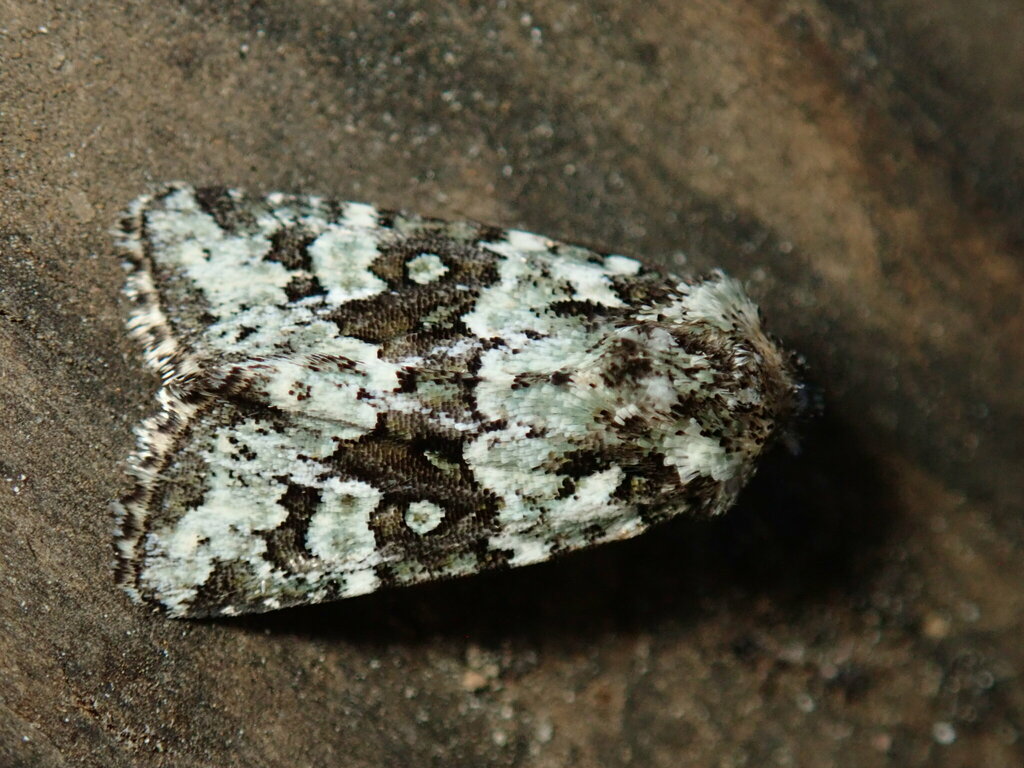
(c) Cricket Raspet, some rights reserved (CC BY) · licence
Family: Noctuidae · Class: Insecta · Order: Lepidoptera
Lacinipolia strigicollis is a California animal in the Noctuidae family.
Lacinipolia strigicollis is a moth species in the family Noctuidae, commonly known as owlet moths or cutworm moths. This nocturnal lepidopteran belongs to a diverse family of moths that includes many agriculturally significant species. The genus Lacinipolia contains several North American species, with L. strigicollis being one of the lesser-documented members. The physical characteristics of L. strigicollis align with typical Lacinipolia species morphology. Adults display the characteristic robust body structure of noctuids, with forewings typically measuring 15 to 20 mm in length. The forewings are generally mottled brown or gray with darker markings, providing effective camouflage when resting on tree bark or soil during daylight hours. The species name 'strigicollis' suggests distinctive neck or collar markings, though detailed morphological descriptions are limited in available literature. Like other Lacinipolia species, the antennae are filiform in both sexes, and the hindwings are typically paler than the forewings. The distribution and range of L. strigicollis in North America requires further documentation. Many Lacinipolia species occur across western North America, including California, but specific range data for this species is not well-established in current taxonomic databases. The genus is generally associated with temperate regions where suitable host plants occur. Habitat preferences for L. strigicollis likely follow patterns observed in related Lacinipolia species. These moths typically inhabit areas with diverse herbaceous vegetation, including grasslands, meadows, and forest edges. Elevation ranges and specific microhabitat requirements have not been thoroughly documented for this species. Adult moths are attracted to artificial light sources and are most active during nighttime hours. The larval ecology and host plant associations of L. strigicollis remain poorly understood. Many Lacinipolia species have caterpillars that feed on herbaceous plants, including grasses and forbs. The larvae typically develop in soil or leaf litter, emerging as adults during specific seasonal periods. Flight periods and reproductive behavior have not been well-documented for this species, though related species often have single or double broods per year depending on geographic location and climate conditions. The conservation status of L. strigicollis has not been formally assessed by state or federal agencies. No listing status has been assigned under the Endangered Species Act, nor does the species appear on California Department of Fish and Wildlife special concern lists as of December 2025. The lack of comprehensive population data and distribution information makes it difficult to evaluate potential conservation needs. Like many invertebrate species, L. strigicollis may face threats from habitat loss, agricultural intensification, and climate change, though specific impacts have not been studied. Further taxonomic and ecological research is needed to better understand this species' biology, distribution, and conservation requirements.
Classification
Class: Insecta · Order: Lepidoptera · Family: Noctuidae
Frequently asked questions
How is Lacinipolia strigicollis classified?
Lacinipolia strigicollis belongs to class Insecta, order Lepidoptera, family Noctuidae.
What family does Lacinipolia strigicollis belong to?
Lacinipolia strigicollis is in the Noctuidae family.
What is Lacinipolia strigicollis?
Lacinipolia strigicollis is a moth species in the family Noctuidae, commonly known as owlet moths or cutworm moths.
Is Lacinipolia strigicollis found in California?
Yes. Lacinipolia strigicollis is recorded in California in The California Species Project's catalogue.
Related species
Other California species in the same genus, family, or bioregion.
Data from The California Species Project — 14,000+ California species with verified data from CNPS, CDFW, USFWS, and more.