Lanx alta
Highcap Lanx
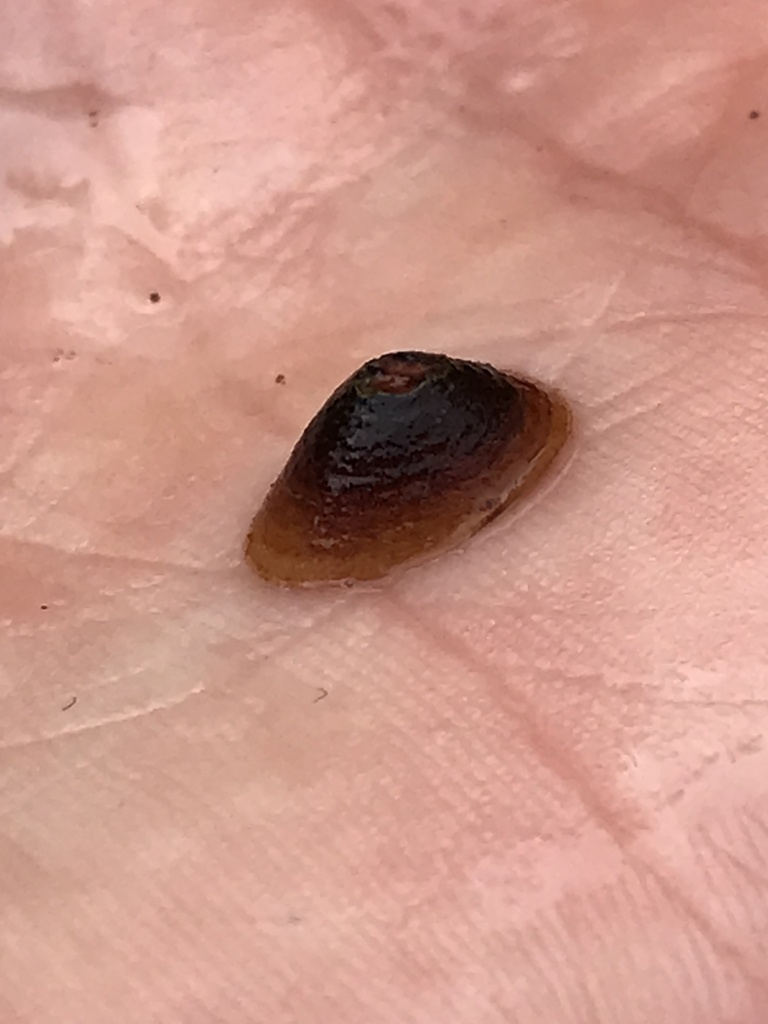
(c) LJ Moore-McClelland, some rights reserved (CC BY) · licence
Family: Lymnaeidae · Class: Gastropoda · Order: Hygrophila
Conservation status: G2G3 S3
Lanx alta (Highcap Lanx) is a California animal in the Lymnaeidae family.
The highcap lanx (Lanx alta) is a freshwater gastropod mollusk in the family Lymnaeidae, endemic to the Pacific Northwest region of North America. This aquatic snail species has a distinctive shell morphology that distinguishes it from other members of the genus Lanx, though detailed morphological descriptions remain limited in the scientific literature. The species occurs from Douglas County, Oregon, south and east to Humboldt and Siskiyou Counties in California (NatureServe 2025). The type locality is the Klamath River system, which represents the core of its known range. This distribution pattern places the highcap lanx within the Klamath Mountains ecoregion, an area known for high levels of aquatic endemism. Highcap lanx inhabits freshwater river and stream systems, particularly those with rocky substrates and moderate to fast-flowing water. The species appears to be associated with clear, cold-water environments typical of the Klamath River basin and similar watersheds in the region. Specific microhabitat preferences, including substrate requirements, water depth preferences, and flow velocity tolerances, have not been thoroughly documented in the available literature. Like other freshwater limpets in the genus Lanx, this species likely feeds by grazing on periphyton - the complex community of algae, bacteria, and organic matter that forms on submerged surfaces. The reproductive biology of L. alta remains poorly studied, though related species in the genus are known to be hermaphroditic with direct development, lacking a free-swimming larval stage. This life history strategy may contribute to limited dispersal ability and strong site fidelity. The highcap lanx is assigned a global conservation rank of G2G3, indicating it is imperiled to vulnerable globally, and a state rank of S3 in California, where it is considered vulnerable. This ranking reflects concerns about the species' restricted range, specialized habitat requirements, and potential threats to aquatic ecosystems in the region. Primary threats to freshwater gastropods in this region typically include habitat modification through dam construction, water diversions, pollution from agricultural and urban runoff, and sedimentation from logging and road construction activities. The Klamath River system, which supports the type locality for this species, has experienced significant anthropogenic impacts over the past century, including the construction of major dams that have altered flow regimes and water quality. Climate change poses additional long-term threats through altered precipitation patterns, increased water temperatures, and changes in seasonal flow patterns that could affect the cold-water habitats required by this species. Given the limited scientific documentation available for L. alta, comprehensive surveys to better define its current distribution, population status, and ecological requirements would contribute significantly to conservation planning efforts. The species' apparently narrow range and specialized habitat requirements suggest that targeted habitat protection and water quality maintenance in key watersheds will be essential for its long-term persistence.
Classification
Class: Gastropoda · Order: Hygrophila · Family: Lymnaeidae
Conservation status
G2G3 S3
Frequently asked questions
How is Lanx alta classified?
Lanx alta belongs to class Gastropoda, order Hygrophila, family Lymnaeidae.
What family does Lanx alta belong to?
Lanx alta is in the Lymnaeidae family.
Is Lanx alta protected or of conservation concern?
Lanx alta carries the following status: G2G3 S3.
What is Lanx alta?
The highcap lanx (Lanx alta) is a freshwater gastropod mollusk in the family Lymnaeidae, endemic to the Pacific Northwest region of North America.
Is Lanx alta found in California?
Yes. Lanx alta is recorded in California in The California Species Project's catalogue.
Related species
Other California species in the same genus, family, or bioregion.
Data from The California Species Project — 14,000+ California species with verified data from CNPS, CDFW, USFWS, and more.