Largus californicus
California Bordered Plant Bug
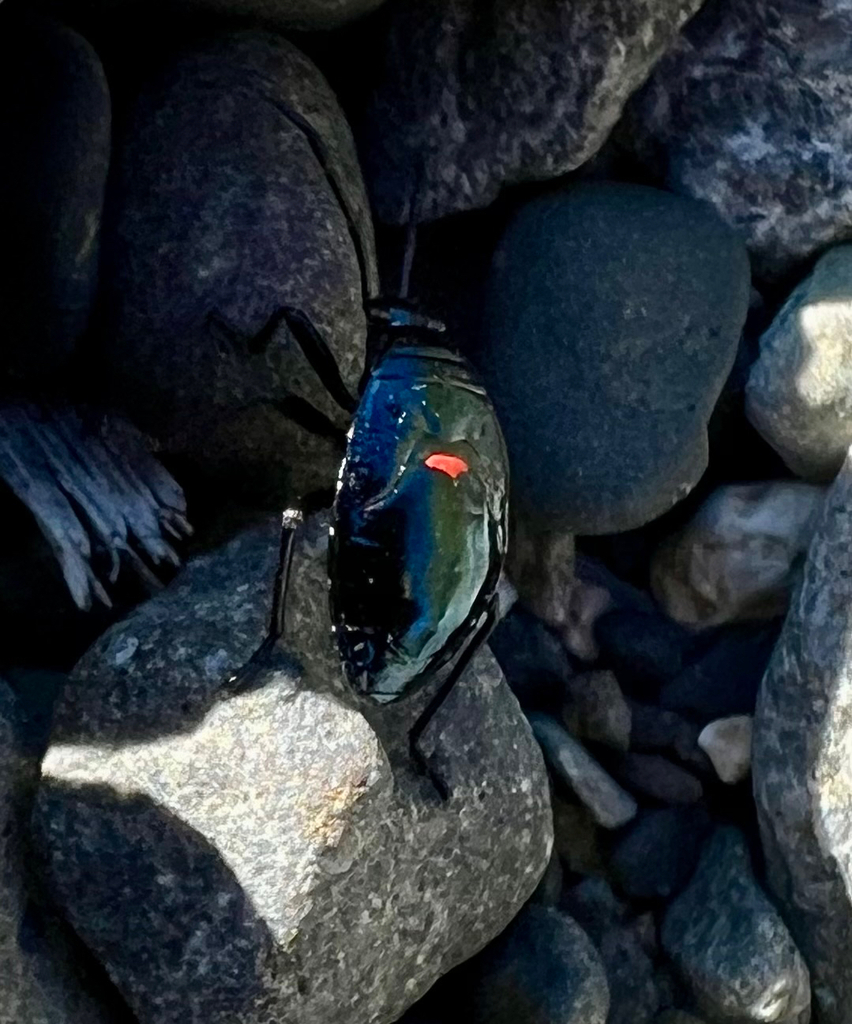
no rights reserved · CC0
Family: Largidae · Class: Insecta · Order: Hemiptera
Largus californicus (California Bordered Plant Bug) is a California animal in the Largidae family.
The California bordered plant bug (Largus californicus) is a true bug belonging to the family Largidae within the order Hemiptera. This species represents one of approximately 128 species within the tribe Largini, as documented in the USFWS taxonomic database. Adult California bordered plant bugs typically measure 10-15 mm in length and display the characteristic oval, flattened body shape common to seed bugs. The species exhibits a distinctive black or dark brown coloration with contrasting reddish or orange borders along the wing margins, giving rise to its common name. The forewings show the typical hemipteran structure with a thickened basal portion and membranous tips. Largus californicus is endemic to California, where it occurs primarily in the coastal regions and interior valleys of the state. The species' distribution appears to be concentrated in areas with Mediterranean climate conditions, though specific county-level occurrence data remains limited in published literature. Historical records suggest the species may have had a broader distribution before habitat modification reduced suitable areas. This plant bug inhabits various terrestrial environments, showing a preference for areas with diverse vegetation communities. The species is commonly associated with chaparral, oak woodland, and coastal sage scrub habitats, where it feeds on a variety of plant species. Adults and nymphs are typically found on shrubs and herbaceous plants, particularly those in the sunflower family (Asteraceae) and other flowering plants that provide both nectar sources and suitable host material for reproduction. As a phytophagous species, the California bordered plant bug feeds primarily on plant juices, which it extracts using its piercing-sucking mouthparts characteristic of all Hemiptera. The species likely undergoes incomplete metamorphosis, progressing through egg, multiple nymphal instars, and adult stages. Reproduction typically occurs during the warmer months when host plants are most active. Females deposit eggs on or near suitable host plants, and the developing nymphs resemble miniature adults but lack fully developed wings. The species may produce multiple generations per year, depending on local climate conditions and resource availability. Currently, Largus californicus does not appear on federal or state endangered species lists, and the USFWS taxonomic database contains no special conservation designations for this species as of December 2025. However, like many native California insects, the species may face pressure from habitat loss due to urban development, agricultural conversion, and altered fire regimes that affect its preferred plant communities. Climate change may also impact the species through shifts in precipitation patterns and temperature ranges that affect both the bug and its host plants. The lack of detailed population monitoring for this species makes it difficult to assess current population trends or conservation needs. Additional research is needed to better understand the species' ecological requirements, population status, and potential vulnerability to environmental changes affecting California's diverse ecosystems.
Classification
Class: Insecta · Order: Hemiptera · Family: Largidae
Frequently asked questions
How is Largus californicus classified?
Largus californicus belongs to class Insecta, order Hemiptera, family Largidae.
What family does Largus californicus belong to?
Largus californicus is in the Largidae family.
What is Largus californicus?
The California bordered plant bug (Largus californicus) is a true bug belonging to the family Largidae within the order Hemiptera.
Is Largus californicus found in California?
Yes. Largus californicus is recorded in California in The California Species Project's catalogue.
Related species
Other California species in the same genus, family, or bioregion.
Data from The California Species Project — 14,000+ California species with verified data from CNPS, CDFW, USFWS, and more.