Largus cinctus
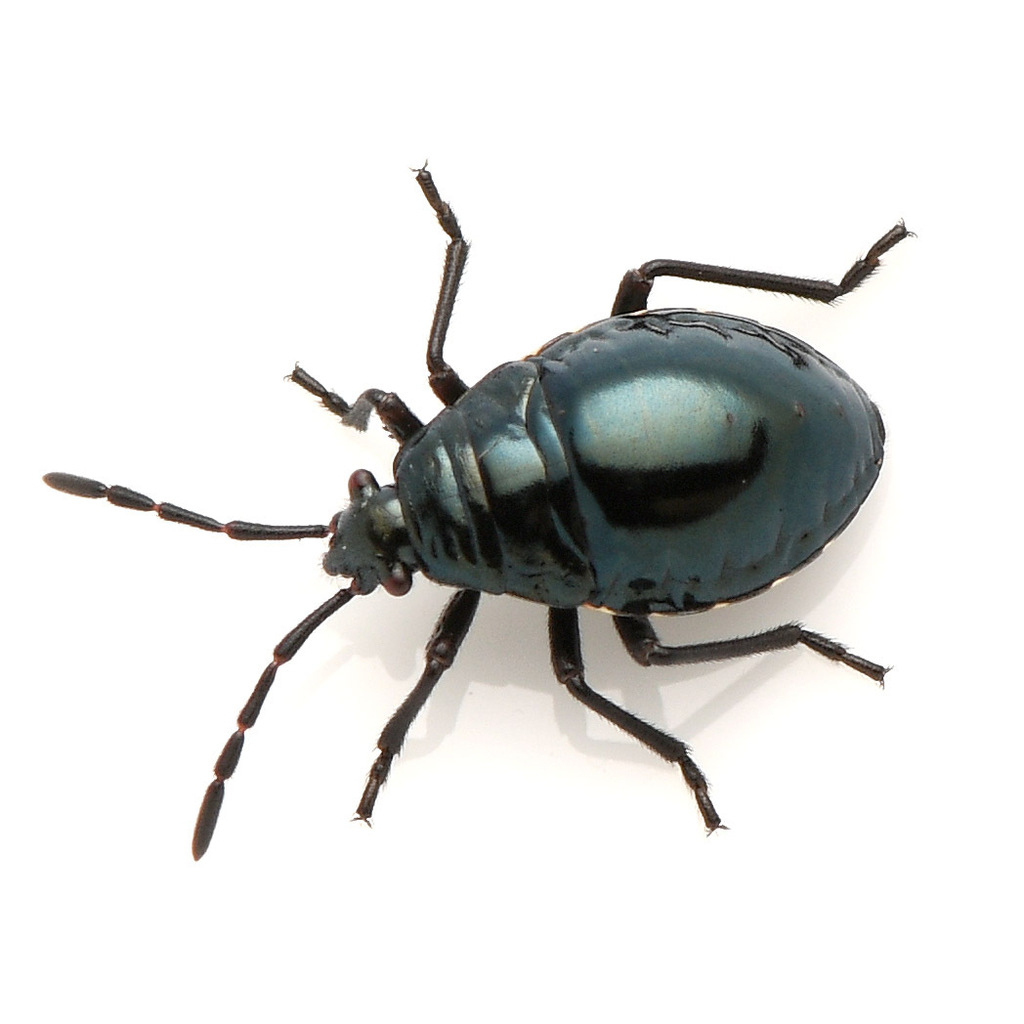
(c) Koji Shiraiwa, some rights reserved (CC BY) · licence
Family: Largidae · Class: Insecta · Order: Hemiptera
Largus cinctus is a California animal in the Largidae family.
Largus cinctus is a true bug in the family Largidae, commonly known as bordered plant bugs or largid bugs. This hemipteran species belongs to the tribe Largini within the subfamily Larginae and represents one of approximately 128 species within the genus Largus documented in North American fauna. As a member of the order Hemiptera, L. cinctus possesses the characteristic piercing-sucking mouthparts typical of true bugs. Like other largid bugs, this species likely exhibits the elongated, somewhat flattened body form common to the family, though specific morphological details for this species remain undocumented in available scientific literature. The family Largidae is distinguished from related families by particular wing venation patterns and antennal characteristics. The distribution and range of Largus cinctus within California and North America have not been thoroughly documented in accessible scientific sources. The genus Largus occurs throughout warmer regions of the Americas, with various species adapted to different climatic zones. Many largid species show preference for arid and semi-arid environments, suggesting L. cinctus may occupy similar habitats if present in California's drier regions. Habitat preferences for this specific species remain poorly documented. Other members of the genus Largus typically inhabit areas with abundant herbaceous vegetation, particularly in open grasslands, scrublands, and disturbed areas. These bugs are often associated with plants in the families they feed upon, though host plant relationships vary considerably among species within the genus. The elevation range and specific microhabitat requirements for L. cinctus have not been established through published research. Like other largid bugs, L. cinctus is presumed to be herbivorous, using its piercing-sucking mouthparts to feed on plant fluids. Many Largus species are known to feed on seeds and developing fruits of their host plants, while others may consume various plant tissues. Reproductive biology, seasonal activity patterns, and life cycle details for this species are not well documented in the available literature. Most largid bugs undergo incomplete metamorphosis with egg, multiple nymphal instars, and adult stages. The conservation status of Largus cinctus has not been formally assessed by federal or California state agencies. The species does not appear on current lists of threatened, endangered, or species of special concern maintained by the U.S. Fish and Wildlife Service or California Department of Fish and Wildlife as of December 2025. Population trends, threats, and specific conservation needs remain unknown due to limited ecological research on this species. Scientific documentation for this species remains extremely limited. The information presented here is based on taxonomic records from the U.S. Fish and Wildlife Service taxonomic database and general knowledge of the family Largidae. Detailed studies of this species' biology, distribution, host plants, and ecological role are lacking. We welcome contributions of verified scientific data, field observations, or photographic documentation to enhance this species account.
Classification
Class: Insecta · Order: Hemiptera · Family: Largidae
Frequently asked questions
How is Largus cinctus classified?
Largus cinctus belongs to class Insecta, order Hemiptera, family Largidae.
What family does Largus cinctus belong to?
Largus cinctus is in the Largidae family.
What is Largus cinctus?
Largus cinctus is a true bug in the family Largidae, commonly known as bordered plant bugs or largid bugs.
Is Largus cinctus found in California?
Yes. Largus cinctus is recorded in California in The California Species Project's catalogue.
Related species
Other California species in the same genus, family, or bioregion.
Data from The California Species Project — 14,000+ California species with verified data from CNPS, CDFW, USFWS, and more.