Lasionycta mono
Mono Lasionycta
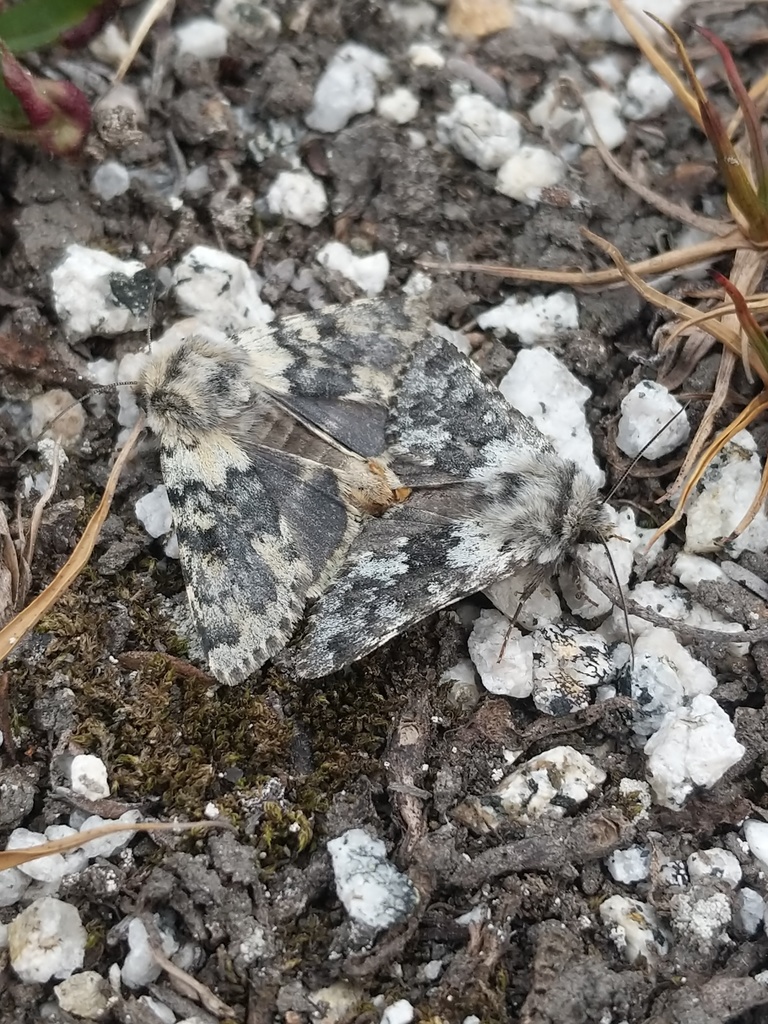
(c) Trevor Van Loon, some rights reserved (CC BY) · licence
Family: Noctuidae · Class: Insecta · Order: Lepidoptera
Lasionycta mono (Mono Lasionycta) is a California animal in the Noctuidae family.
Lasionycta mono is a noctuid moth known from extremely limited data, representing one of California's most range-restricted lepidopteran species. The species belongs to the family Noctuidae, a large group of moths commonly known as owlet moths or cutworm moths. Specific morphological characteristics of L. mono have not been documented in available literature, reflecting the paucity of specimens and scientific study. The species is known only from a single specimen collected near Mono Pass, California, at an elevation of 12,000 feet. This represents one of the most restricted distributions of any California moth species. Mono Pass is located on the border between Mono County, California, and Nevada, situated along the Sierra Nevada crest. The extremely limited collection data suggests this species may be endemic to high-elevation environments in the eastern Sierra Nevada region. Based on the single collection locality, L. mono appears to inhabit alpine environments at or near 12,000 feet elevation. This places the species in the alpine zone, characterized by harsh environmental conditions including extreme temperature fluctuations, intense solar radiation, and a short growing season. Alpine habitats in the Sierra Nevada typically support specialized plant communities adapted to these extreme conditions, including cushion plants, alpine grasses, and hardy perennial herbs. The specific microhabitat preferences and vegetation associations of L. mono remain undocumented. Ecological information for L. mono is entirely lacking due to the species being known from only a single specimen. Host plant relationships, larval development, adult flight period, and reproductive biology have not been documented. Most Lasionycta species are associated with herbaceous plants, often feeding on roots or stems during the larval stage, but the specific host plants for L. mono remain unknown. The timing of adult emergence and activity patterns cannot be determined from the available data. The conservation status of L. mono has not been formally evaluated by state or federal agencies, and the species does not appear on current listing documents. However, the extremely limited known distribution raises significant conservation concerns. A species known from a single collection locality faces inherent risks from stochastic events, habitat modification, and climate change impacts. Alpine environments are particularly vulnerable to warming temperatures, which can alter plant communities and reduce available habitat for specialized high-elevation species. The lack of recent collections despite ongoing entomological surveys in the Sierra Nevada suggests the species may be extremely rare or possibly extinct. Scientific documentation for this species remains critically limited. The information presented here is based on collection records and taxonomic databases. Targeted surveys in appropriate alpine habitats near Mono Pass would be valuable for determining current population status and documenting basic ecological requirements. If you have additional verified information about this species' biology, distribution, or recent observations, please contact us to help improve this species account.
Classification
Class: Insecta · Order: Lepidoptera · Family: Noctuidae
Frequently asked questions
How is Lasionycta mono classified?
Lasionycta mono belongs to class Insecta, order Lepidoptera, family Noctuidae.
What family does Lasionycta mono belong to?
Lasionycta mono is in the Noctuidae family.
What is Lasionycta mono?
Lasionycta mono is a noctuid moth known from extremely limited data, representing one of California's most range-restricted lepidopteran species.
Is Lasionycta mono found in California?
Yes. Lasionycta mono is recorded in California in The California Species Project's catalogue.
Related species
Other California species in the same genus, family, or bioregion.
Data from The California Species Project — 14,000+ California species with verified data from CNPS, CDFW, USFWS, and more.