Latrodectus hesperus
Western Black Widow
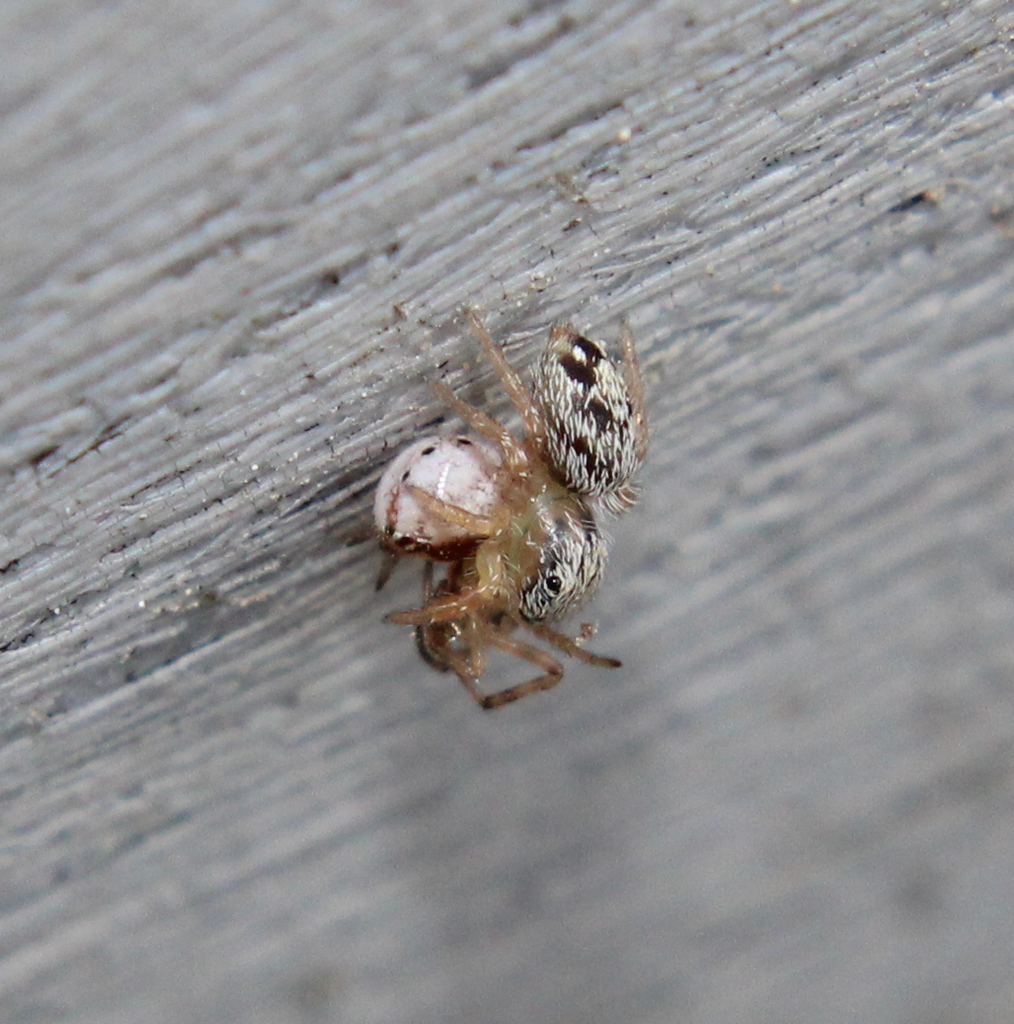
(c) Rebecca Ray, some rights reserved (CC BY) · licence
Family: Theridiidae · Class: Arachnida · Order: Araneae
Latrodectus hesperus (Western Black Widow) is a California animal in the Theridiidae family.
The Western black widow (Latrodectus hesperus) is a venomous spider in the family Theridiidae, distinguished by its characteristic sexual dimorphism and potent neurotoxic venom. Adult females measure 8 to 15 millimeters (0.3 to 0.6 inches) in body length, with a glossy black abdomen featuring the distinctive red hourglass marking on the ventral surface. Males are significantly smaller at 3 to 5 millimeters (0.1 to 0.2 inches), brown or gray in coloration with yellow and red markings, and lack the prominent hourglass pattern. Juveniles display more varied coloration with orange, yellow, and white markings that fade as they mature. The Western black widow occurs throughout western North America, with its range extending from southern Canada through the western United States into Mexico. In California, the species is widely distributed from sea level to elevations of approximately 2,100 meters (6,900 feet), inhabiting both coastal and inland regions. The species is found in all major California bioregions, from the coastal ranges to the Sierra Nevada foothills and desert regions. This spider occupies diverse habitats including woodpiles, rock crevices, dense vegetation, abandoned structures, and human-modified environments such as garages, sheds, and outdoor equipment storage areas. Western black widows construct irregular, three-dimensional webs typically positioned in protected locations near ground level. The webs are composed of strong, sticky silk designed to capture ground-dwelling prey. They show preference for dry, undisturbed areas with adequate shelter and prey availability. Western black widows are nocturnal hunters that feed primarily on insects, including beetles, flies, mosquitoes, and grasshoppers. Females may also consume other spiders and occasionally small vertebrates caught in their webs. Mating occurs from spring through fall, with males approaching females' webs and performing courtship vibrations. After mating, sexual cannibalism may occur, though males sometimes escape. Females produce 4 to 9 egg sacs throughout the breeding season, each containing 200 to 900 eggs. Spiderlings undergo several molts before reaching maturity, typically requiring one year to develop fully. Adults can live 1 to 3 years, with females generally surviving longer than males. The Western black widow is not federally or state listed as threatened or endangered and maintains stable populations throughout its range. The species is considered medically significant due to its neurotoxic venom, which contains latrotoxin compounds that can cause latrodectism in humans. While bites are rarely fatal, they require medical attention and can cause severe muscle pain, cramping, and neurological symptoms. Despite their fearsome reputation, Western black widows are generally non-aggressive and bite only when threatened or defending egg sacs. The species plays an important ecological role as both predator and prey, helping control insect populations while serving as food for birds, reptiles, and other spiders. Human activity has likely expanded suitable habitat for this adaptable species, which readily colonizes disturbed areas and anthropogenic structures.
Classification
Class: Arachnida · Order: Araneae · Family: Theridiidae
Frequently asked questions
How is Latrodectus hesperus classified?
Latrodectus hesperus belongs to class Arachnida, order Araneae, family Theridiidae.
What family does Latrodectus hesperus belong to?
Latrodectus hesperus is in the Theridiidae family.
What is Latrodectus hesperus?
The Western black widow (Latrodectus hesperus) is a venomous spider in the family Theridiidae, distinguished by its characteristic sexual dimorphism and potent neurotoxic venom.
Is Latrodectus hesperus found in California?
Yes. Latrodectus hesperus is recorded in California in The California Species Project's catalogue.
Related species
Other California species in the same genus, family, or bioregion.
Data from The California Species Project — 14,000+ California species with verified data from CNPS, CDFW, USFWS, and more.