Leiobunum exilipes
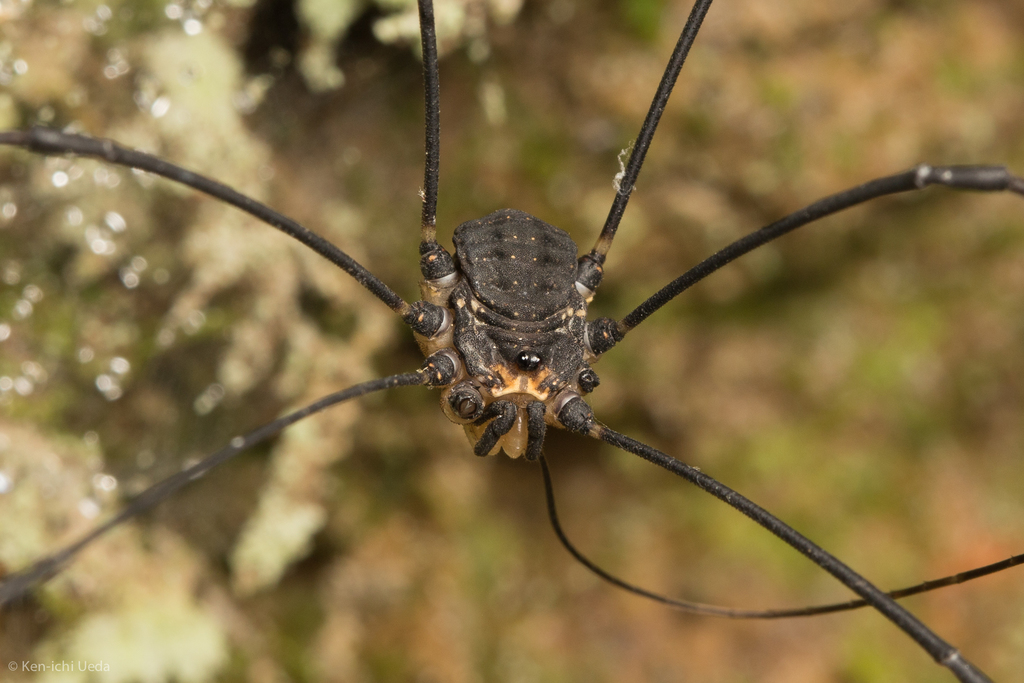
(c) Ken-ichi Ueda, some rights reserved (CC BY) · licence
Family: Sclerosomatidae · Class: Arachnida · Order: Opiliones
Leiobunum exilipes is a California animal in the Sclerosomatidae family.
Leiobunum exilipes is a harvestman species belonging to the family Sclerosomatidae within the order Opiliones. These arachnids, commonly known as daddy longlegs or harvestmen, are distinguished from spiders by their single body segment and lack of silk-producing capabilities. L. exilipes exhibits the characteristic long, slender legs typical of the genus Leiobunum, though specific morphometric data for this species remains limited in published literature. The distribution of Leiobunum exilipes appears to be restricted to specific regions of North America, though comprehensive range mapping for this species has not been extensively documented. Many Leiobunum species demonstrate narrow geographic distributions, often associated with particular climatic or habitat conditions. The genus Leiobunum contains numerous species across North America, with several showing endemic patterns tied to specific geographic regions. Habitat preferences for L. exilipes have not been thoroughly characterized in the scientific literature. Most Leiobunum species typically inhabit areas with moderate moisture levels, including forest understories, leaf litter, rock crevices, and areas beneath logs or other debris. These harvestmen generally require environments that provide protection from desiccation while offering access to their prey species. Elevation preferences and specific microhabitat requirements for L. exilipes remain poorly documented. Like other members of the Sclerosomatidae family, L. exilipes is likely an opportunistic predator and scavenger. Harvestmen in this group typically feed on small arthropods, decomposing organic matter, and occasionally plant material. Their feeding behavior involves using their chelicerae to grasp and manipulate prey items. Reproductive biology for this species has not been well studied, though most Leiobunum species exhibit seasonal mating patterns with females depositing eggs in soil or leaf litter during favorable conditions. The conservation status of Leiobunum exilipes has not been formally evaluated by state or federal agencies. This species does not appear on current endangered species lists or state wildlife action plans, though the absence of comprehensive population data makes accurate status assessment difficult. Many harvestmen species face threats from habitat fragmentation, urbanization, and climate change, particularly those with restricted distributions. The lack of detailed ecological studies for L. exilipes represents a significant knowledge gap that limits effective conservation planning. Taxonomic research on North American Leiobunum species continues to evolve, with ongoing studies using molecular techniques to clarify species boundaries and relationships within this diverse genus. Some previously recognized species have been synonymized or elevated based on genetic evidence, highlighting the need for continued systematic work on this group. Scientific documentation for Leiobunum exilipes remains limited despite thorough literature review. The information presented here synthesizes available taxonomic and general ecological knowledge of the genus. Additional research on this species' distribution, habitat requirements, and population status would significantly enhance our understanding of its conservation needs and ecological role.
Classification
Class: Arachnida · Order: Opiliones · Family: Sclerosomatidae
Frequently asked questions
How is Leiobunum exilipes classified?
Leiobunum exilipes belongs to class Arachnida, order Opiliones, family Sclerosomatidae.
What family does Leiobunum exilipes belong to?
Leiobunum exilipes is in the Sclerosomatidae family.
What is Leiobunum exilipes?
Leiobunum exilipes is a harvestman species belonging to the family Sclerosomatidae within the order Opiliones.
Is Leiobunum exilipes found in California?
Yes. Leiobunum exilipes is recorded in California in The California Species Project's catalogue.
Related species
Other California species in the same genus, family, or bioregion.
Data from The California Species Project — 14,000+ California species with verified data from CNPS, CDFW, USFWS, and more.