Leiothlypis celata
Orange-crowned Warbler
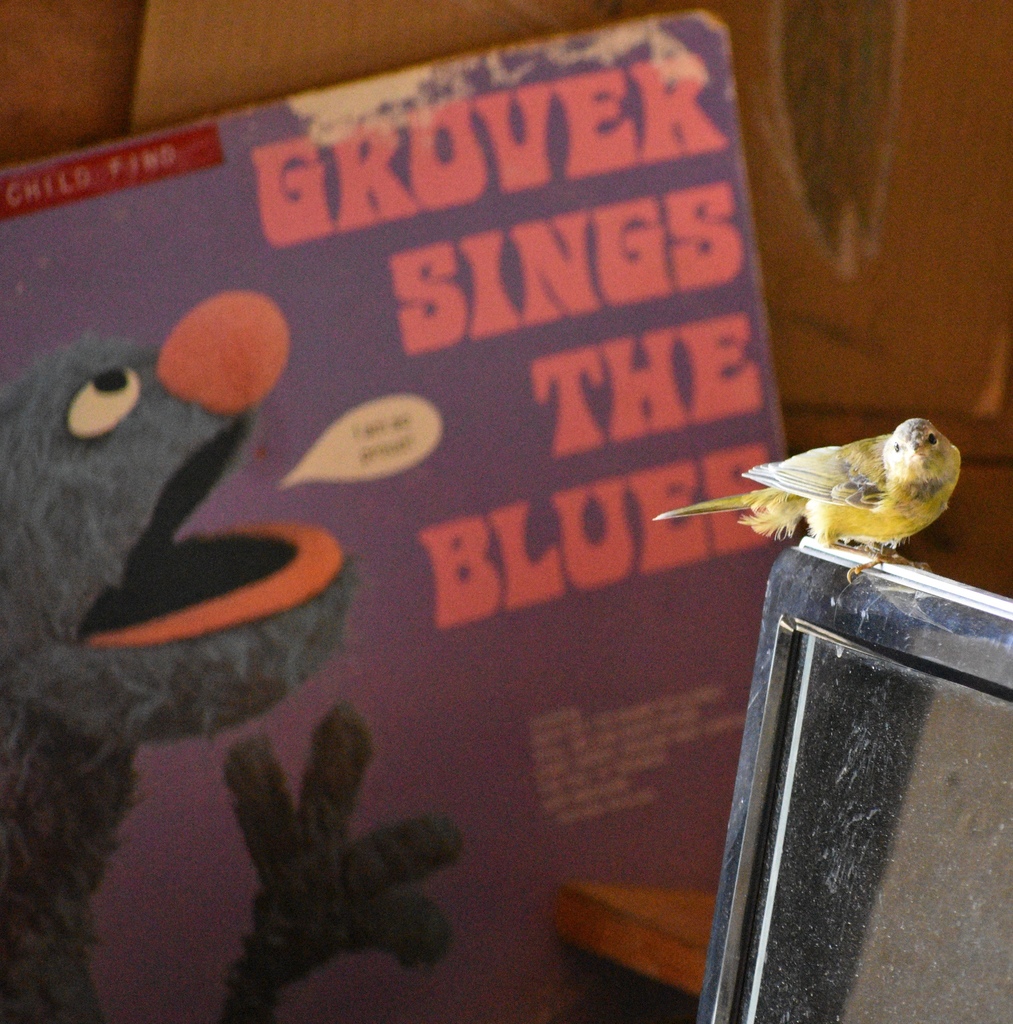
(c) John Powers, some rights reserved (CC BY) · licence
Family: Parulidae · Class: Aves · Order: Passeriformes
Leiothlypis celata (Orange-crowned Warbler) is a California animal in the Parulidae family.
The Orange-crowned Warbler (Leiothlypis celata) is a small songbird measuring 11.5 to 14 cm (4.5 to 5.5 inches) in length with a wingspan of 18 to 20 cm (7 to 8 inches). Adults weigh 7 to 11 grams. The species exhibits relatively drab plumage compared to other New World warblers, with olive-green to grayish-green upperparts and pale yellow to whitish underparts. The distinctive orange crown patch is often concealed and may be visible only when the bird is excited or displaying. Males and females appear similar, though males typically show slightly brighter coloration during breeding season. The bill is thin and pointed, adapted for gleaning insects, and the legs are dark. Orange-crowned Warblers breed across western North America from Alaska south through California. In California, the species occupies diverse habitats from sea level to elevations exceeding 3,000 meters (9,800 feet) in the Sierra Nevada and other mountain ranges. The breeding range extends throughout most of California except the southeastern deserts. Northern populations are migratory, wintering from the southern United States through Central America, while many California populations are year-round residents. The species inhabits a wide variety of habitats including chaparral, oak woodlands, riparian forests, coniferous forests, and scrubland. During breeding season, Orange-crowned Warblers prefer areas with dense understory vegetation and edge habitats. They commonly occupy brushy slopes, canyon bottoms, and forest openings. In winter, the species expands into additional habitat types including parks, gardens, and desert oases during migration. Orange-crowned Warblers are primarily insectivorous, foraging by gleaning arthropods from foliage, bark, and flowers. Their diet includes caterpillars, aphids, beetles, flies, and spiders. During fall and winter, they supplement their diet with nectar from flowers and occasionally consume small fruits and seeds. The species exhibits active foraging behavior, frequently hovering to glean prey from leaf surfaces and probing into crevices. Breeding occurs from March through July, with peak activity from April to June. Females construct cup-shaped nests on or near the ground, typically concealed in dense vegetation. Nests are built with grasses, bark strips, and plant fibers, lined with fine materials including animal hair. Clutch size ranges from 3 to 6 eggs, with 4 to 5 being most common. Incubation lasts 12 to 14 days, performed entirely by the female. Both parents feed nestlings, which fledge after 10 to 13 days. The Orange-crowned Warbler is not federally listed and maintains stable populations across most of its range. The species benefits from its habitat flexibility and adaptability to human-modified landscapes. However, localized populations may face pressure from habitat loss, particularly in coastal California where development affects chaparral and woodland habitats. Climate change may impact northern breeding populations through altered precipitation patterns and vegetation changes. The species' diverse habitat requirements and broad distribution contribute to its overall population stability.
Classification
Class: Aves · Order: Passeriformes · Family: Parulidae
Frequently asked questions
How is Leiothlypis celata classified?
Leiothlypis celata belongs to class Aves, order Passeriformes, family Parulidae.
What family does Leiothlypis celata belong to?
Leiothlypis celata is in the Parulidae family.
What is Leiothlypis celata?
The Orange-crowned Warbler (Leiothlypis celata) is a small songbird measuring 11.5 to 14 cm (4.5 to 5.5 inches) in length with a wingspan of 18 to 20 cm (7 to 8 inches).
Is Leiothlypis celata found in California?
Yes. Leiothlypis celata is recorded in California in The California Species Project's catalogue.
Related species
Other California species in the same genus, family, or bioregion.
Data from The California Species Project — 14,000+ California species with verified data from CNPS, CDFW, USFWS, and more.