Lepidomeda albivallis
White River spinedace
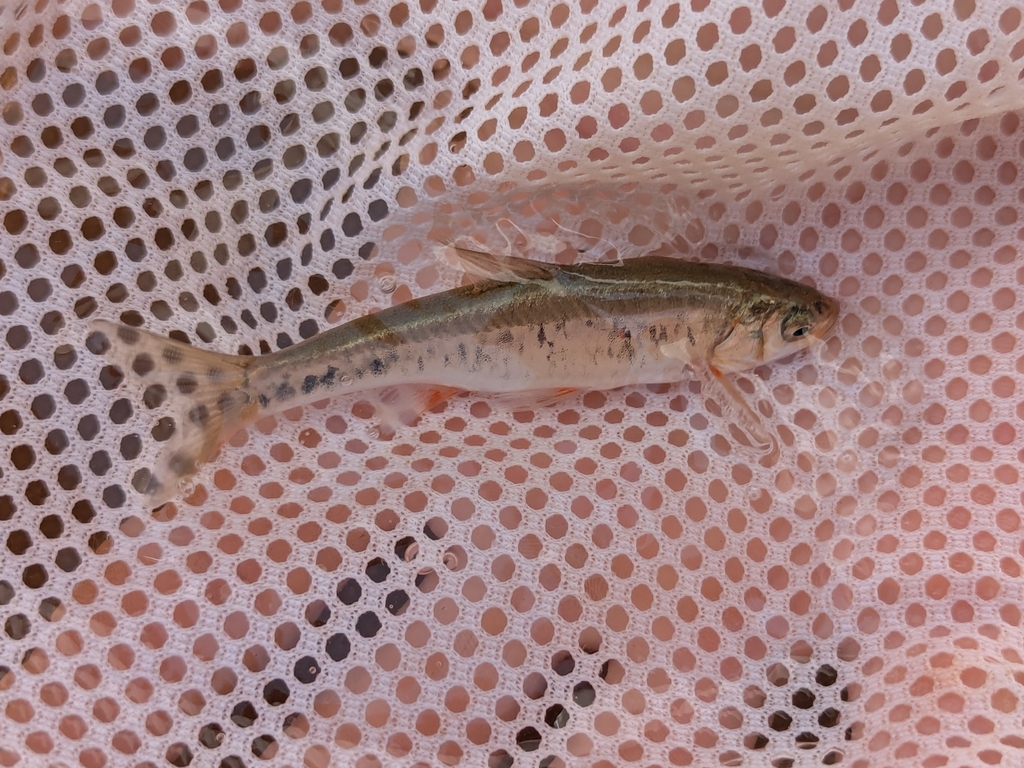
(c) colorful-corvid, some rights reserved (CC BY) · licence
Family: Leuciscidae · Class: Actinopterygii · Order: Cypriniformes
Conservation status: Endangered
Lepidomeda albivallis (White River spinedace) is a California animal in the Leuciscidae family.
The White River spinedace is a small, slender fish endemic to the White River system in Nye and White Pine counties, Nevada. This cyprinid species belongs to the specialized tribe Plagopterini, which is restricted to the lower Colorado River Basin and includes only three genera: Meda (spikedace), Plagopterus (woundfin), and Lepidomeda (spinedace). Members of this tribe are distinguished from other cyprinids by the spinelike character of their pelvic and anal fin rays and other specialized anatomical features. Historically, White River spinedace occurred throughout several habitats in the northern White River Valley. However, the species has experienced severe range contraction and is currently extant in only one of several historically occupied locations. The entire remaining population exists within a highly restricted area of the White River system, making this one of the most geographically limited fish species in North America. White River spinedace inhabit spring-fed waters and associated stream reaches within the White River system. These fish require clear, cool water with specific flow and temperature regimes maintained by natural spring sources. The species typically occupies areas with rocky substrates and moderate water velocities, similar to habitat preferences documented for related spinedace species. Water temperature and quality parameters are critical for the species' survival, as the fish have evolved in the stable conditions provided by spring-fed systems. Like other members of the Plagopterini tribe, White River spinedace are specialized for life in desert aquatic systems. The species likely feeds on aquatic invertebrates, algae, and detritus, though specific dietary studies are limited. Reproductive behavior and timing have not been extensively documented, but related species typically spawn during warmer months when water temperatures and food availability are optimal. The restricted habitat and small population size make detailed ecological studies challenging. The U.S. Fish and Wildlife Service listed the White River spinedace as endangered under the Endangered Species Act, reflecting the species' precarious conservation status. The primary threats include habitat modification, water diversions, and the introduction of non-native species. Largemouth bass (Micropterus salmoides) have been identified as a particular threat, as introduced predatory centrarchids have contributed to declines of native desert fishes including White River spinedace. The species' extremely limited range makes it vulnerable to any environmental disturbance or habitat degradation. Federal expenditure reports from 1999-2002 show consistent annual conservation funding ranging from approximately $61,000 to $114,500, indicating ongoing federal commitment to recovery efforts. However, the species remains one of the most endangered freshwater fishes in the United States due to its restricted distribution and small population size. Recovery efforts focus on habitat protection, water rights management, and preventing further introductions of non-native species that could impact the remaining population.
Classification
Class: Actinopterygii · Order: Cypriniformes · Family: Leuciscidae
Conservation status
Endangered
Frequently asked questions
How is Lepidomeda albivallis classified?
Lepidomeda albivallis belongs to class Actinopterygii, order Cypriniformes, family Leuciscidae.
What family does Lepidomeda albivallis belong to?
Lepidomeda albivallis is in the Leuciscidae family.
Is Lepidomeda albivallis protected or of conservation concern?
Lepidomeda albivallis carries the following status: Endangered.
What is Lepidomeda albivallis?
The White River spinedace is a small, slender fish endemic to the White River system in Nye and White Pine counties, Nevada.
Is Lepidomeda albivallis found in California?
Yes. Lepidomeda albivallis is recorded in California in The California Species Project's catalogue.
Related species
Other California species in the same genus, family, or bioregion.
Data from The California Species Project — 14,000+ California species with verified data from CNPS, CDFW, USFWS, and more.