Lepidostoma ermanae
Cold Spring Caddisfly
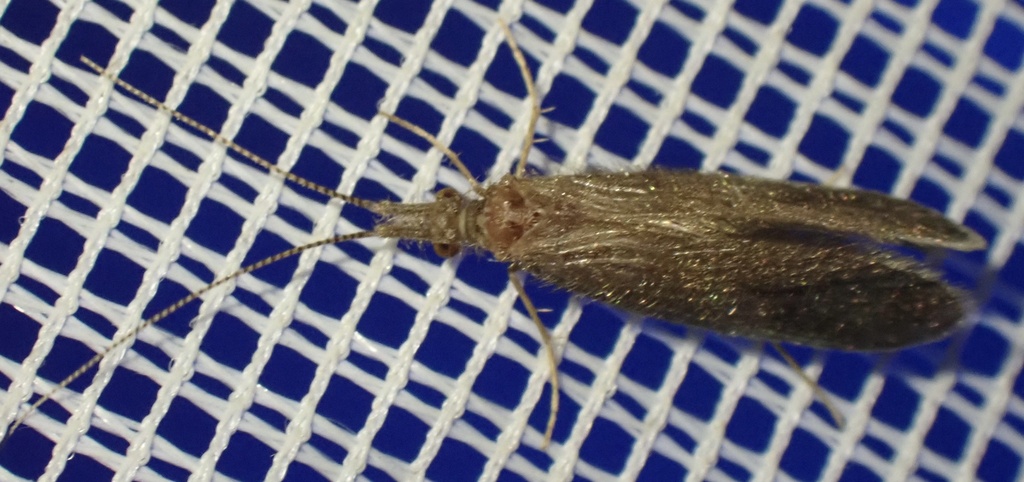
no rights reserved · CC0
Family: Lepidostomatidae · Class: Insecta · Order: Trichoptera
Conservation status: G1 S1
Lepidostoma ermanae (Cold Spring Caddisfly) is a California animal in the Lepidostomatidae family.
The Cold Spring Caddisfly is an aquatic insect in the family Lepidostomatidae, order Trichoptera. As with most caddisfly species, larvae construct protective cases from available materials in their aquatic environment, while adults are moth-like insects with tent-shaped wings held roof-like over their bodies when at rest. Specific morphological details for this species have not been comprehensively documented in the scientific literature. Lepidostoma ermanae is endemic to California and appears to have an extremely restricted distribution. The species' range and specific collection localities have not been well documented in publicly available sources, contributing to uncertainty about its current distribution. The common name "Cold Spring Caddisfly" suggests an association with spring-fed habitats, which aligns with the ecological requirements of closely related species in the genus. The habitat preferences of this species likely include cold, spring-fed waters with high dissolved oxygen levels, based on the ecology of related Lepidostoma species and the implications of its common name. Spring-fed systems typically maintain relatively constant temperatures year-round and provide the stable, well-oxygenated conditions that many specialized caddisfly species require. These habitats often support unique assemblages of aquatic invertebrates adapted to the specific chemical and physical conditions of groundwater-fed systems. Like other caddisflies, L. ermanae likely has a complete metamorphosis life cycle including egg, larval, pupal, and adult stages. Larvae are presumably aquatic and construct cases for protection, while adults emerge to mate and lay eggs. The specific timing of emergence, duration of larval development, and reproductive behavior remain undocumented. Adult caddisflies typically remain near their emergence sites and have limited dispersal capabilities, which can contribute to the restricted ranges of specialized species. The conservation status of Lepidostoma ermanae reflects significant concern for its persistence. The species carries a Global rank of G1 (critically imperiled globally) and a California rank of S1 (critically imperiled in the state), indicating extremely high risk of extinction. These rankings suggest that the species likely has five or fewer occurrences or very few remaining individuals. No federal or state listing status was identified in available databases as of December 2025. The primary threats to this species likely include habitat degradation or loss of spring-fed systems through groundwater depletion, pollution, or physical disturbance. Spring ecosystems are particularly vulnerable to hydrological changes from water diversions, groundwater pumping, and climate change impacts on regional hydrology. The species' apparent rarity and restricted distribution make it especially vulnerable to local habitat changes or disturbance events. Detailed ecological studies of this species are lacking. The information presented here synthesizes available taxonomic and conservation status data. Scientific documentation for this species remains limited, and field surveys may be needed to confirm current distribution and population status. If you have additional verified information about this species' biology, distribution, or ecology, please contact us to help improve this species account.
Classification
Class: Insecta · Order: Trichoptera · Family: Lepidostomatidae
Conservation status
G1 S1
Frequently asked questions
How is Lepidostoma ermanae classified?
Lepidostoma ermanae belongs to class Insecta, order Trichoptera, family Lepidostomatidae.
What family does Lepidostoma ermanae belong to?
Lepidostoma ermanae is in the Lepidostomatidae family.
Is Lepidostoma ermanae protected or of conservation concern?
Lepidostoma ermanae carries the following status: G1 S1.
What is Lepidostoma ermanae?
The Cold Spring Caddisfly is an aquatic insect in the family Lepidostomatidae, order Trichoptera.
Is Lepidostoma ermanae found in California?
Yes. Lepidostoma ermanae is recorded in California in The California Species Project's catalogue.
More California species
This species has no close relatives in our California data — here are other species to explore.
Data from The California Species Project — 14,000+ California species with verified data from CNPS, CDFW, USFWS, and more.