Leptarctia californiae
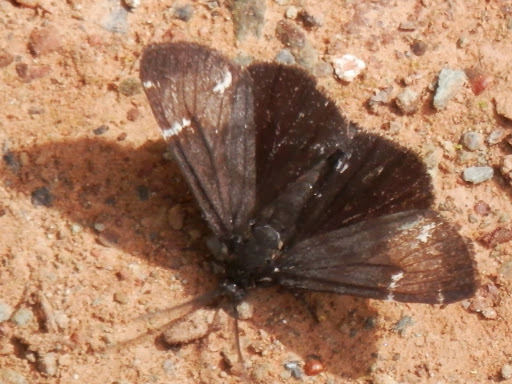
(c) 101595408250610106310, some rights reserved (CC BY) · licence
Family: Erebidae · Class: Insecta · Order: Lepidoptera
Leptarctia californiae is a California animal in the Erebidae family.
Leptarctia californiae is a moth species in the family Erebidae, subfamily Arctiinae. This species belongs to the tiger moth group, characterized by their typically robust bodies and broad wings. Adult moths display the distinctive features common to Leptarctia species, with forewings that are relatively narrow compared to other arctiinae moths. The wingspan typically measures 25-35 mm across. Males can be distinguished from females by their more feathered antennae and slightly smaller size. Leptarctia californiae is endemic to California, where it occurs primarily in the coastal ranges and Sierra Nevada foothills. The species has been documented from scattered localities throughout the state, with records from both northern and southern California counties. Historical collection data suggests a fragmented distribution pattern, though comprehensive surveys of potential habitat remain limited. The species inhabits chaparral, oak woodland, and mixed coniferous forest environments, typically at elevations ranging from 300 to 1,800 meters. Adults are associated with areas containing native shrubland and woodland vegetation. The moths appear to prefer habitats with moderate canopy cover and diverse understory plant communities. Microhabitat selection may be influenced by the presence of suitable host plants for larval development. Leptarctia californiae exhibits typical arctiinae moth behavior patterns. Adults are primarily nocturnal and are attracted to artificial light sources during evening hours. The species likely has one generation per year, with adult flight periods occurring during late spring and early summer months, typically from May through July. Larvae are presumed to feed on various native herbaceous plants and low shrubs, following the dietary patterns of related Leptarctia species. Pupation occurs in the soil or leaf litter, with pupae overwintering before adult emergence the following year. Mating behavior involves chemical communication through pheromones, with males locating females through scent trails. Females deposit eggs singly or in small clusters on or near host plants. Larval development occurs over several months, with caterpillars feeding primarily during cooler evening and nighttime hours. The conservation status of Leptarctia californiae remains poorly understood due to limited systematic surveys and taxonomic uncertainty within the genus. The species does not currently hold federal or state listing status, and population trends are unknown. Potential threats may include habitat loss from urban development, altered fire regimes, and climate change impacts on suitable elevation zones. The fragmented nature of known populations suggests vulnerability to local extirpations. Further research is needed to clarify the species' taxonomy, distribution, ecology, and conservation needs. Standardized monitoring protocols would help establish baseline population data and identify priority areas for habitat protection.
Classification
Class: Insecta · Order: Lepidoptera · Family: Erebidae
Frequently asked questions
How is Leptarctia californiae classified?
Leptarctia californiae belongs to class Insecta, order Lepidoptera, family Erebidae.
What family does Leptarctia californiae belong to?
Leptarctia californiae is in the Erebidae family.
What is Leptarctia californiae?
Leptarctia californiae is a moth species in the family Erebidae, subfamily Arctiinae.
Is Leptarctia californiae found in California?
Yes. Leptarctia californiae is recorded in California in The California Species Project's catalogue.
Related species
Other California species in the same genus, family, or bioregion.
Data from The California Species Project — 14,000+ California species with verified data from CNPS, CDFW, USFWS, and more.