Leptocottus armatus
Pacific staghom sculpin
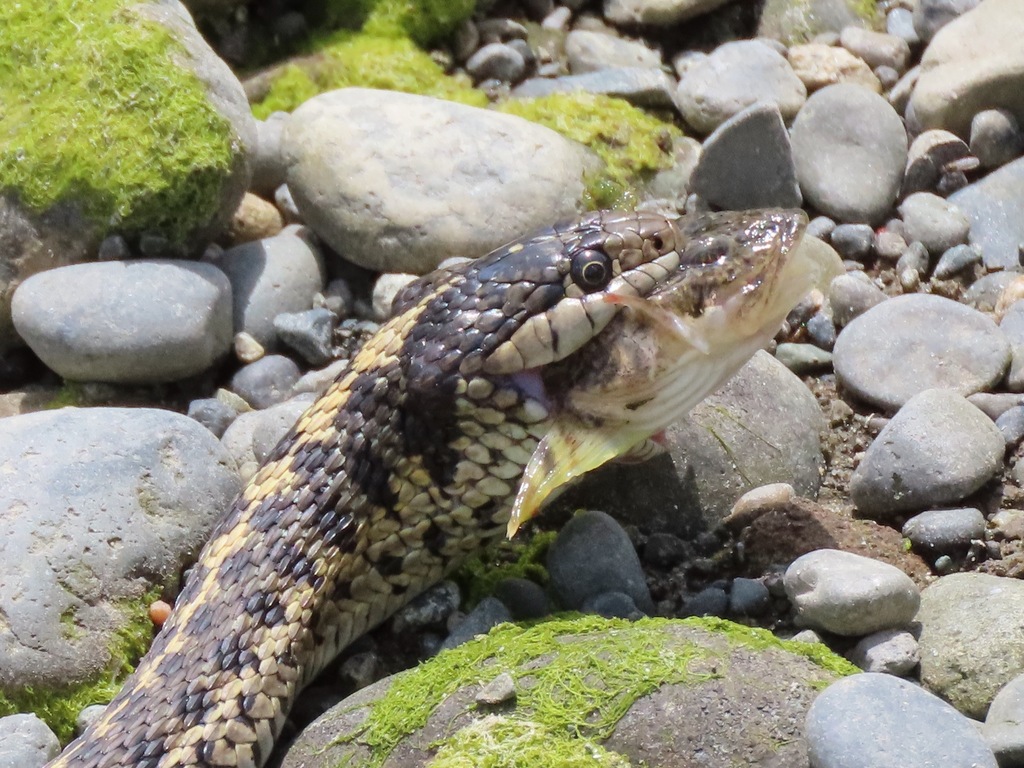
no rights reserved · CC0
Family: Cottidae · Class: Actinopterygii · Order: Perciformes
Leptocottus armatus (Pacific staghom sculpin) is a California animal in the Cottidae family.
The Pacific staghorn sculpin is a small marine fish native to the Pacific coast of North America. Adults typically reach 100 to 200 mm (4 to 8 inches) in total length, with a maximum recorded length of 305 mm (12 inches). The species exhibits the characteristic sculpin body form with a large, broad head, tapering to a narrow caudal peduncle. The body is mottled brown to olive-green dorsally with lighter coloration ventrally, providing effective camouflage against sandy and rocky substrates. The pectoral fins are large and fan-like, extending well beyond the pelvic fins when folded against the body. The species lacks scales but possesses small prickles on the skin, particularly on the head and anterior portion of the body. Males develop prominent breeding tubercles on the anal fin rays during spawning season. The Pacific staghorn sculpin ranges from southeastern Alaska to Baja California, Mexico, inhabiting nearshore marine and estuarine environments. In California, the species occurs along the entire coastline, from the Oregon border south to the Mexican border. The species demonstrates high site fidelity, with individuals often remaining in the same tide pool or rocky area for extended periods. This sculpin inhabits rocky intertidal zones, tide pools, eelgrass beds, and shallow subtidal areas to depths of 75 meters (246 feet). The species shows strong preference for areas with complex structure, including rocky reefs, pier pilings, and kelp holdfasts. Pacific staghorn sculpins are commonly found in tide pools during low tide, where they can survive temporary exposure to air by utilizing cutaneous respiration. They frequent areas with moderate to strong currents and are tolerant of varying salinity levels, making them well-adapted to estuarine environments. Pacific staghorn sculpins are ambush predators that feed primarily on small crustaceans, polychaete worms, and juvenile fish. Their diet includes amphipods, mysid shrimp, small crabs, and various invertebrate larvae. The species exhibits minimal movement during daylight hours, remaining motionless among rocks or vegetation until prey approaches within striking distance. Spawning occurs from November through March, with peak activity during winter months. Males establish and defend territories in rocky crevices or under ledges, where females deposit adhesive egg masses. Males provide parental care by guarding the eggs until hatching, which typically occurs after 6 to 8 weeks depending on water temperature. Larvae are planktonic for several months before settling in shallow nearshore habitats. The Pacific staghorn sculpin is not federally or state-listed as threatened or endangered. Populations appear stable throughout most of the species' range, though localized declines may occur due to coastal development, pollution, and habitat modification. The species serves as an important prey item for larger fish, seabirds, and marine mammals. Climate change impacts, including ocean acidification and rising sea temperatures, may affect prey availability and suitable habitat, though the species' broad environmental tolerance suggests resilience to moderate environmental changes.
Classification
Class: Actinopterygii · Order: Perciformes · Family: Cottidae
Frequently asked questions
How is Leptocottus armatus classified?
Leptocottus armatus belongs to class Actinopterygii, order Perciformes, family Cottidae.
What family does Leptocottus armatus belong to?
Leptocottus armatus is in the Cottidae family.
What is Leptocottus armatus?
The Pacific staghorn sculpin is a small marine fish native to the Pacific coast of North America.
Is Leptocottus armatus found in California?
Yes. Leptocottus armatus is recorded in California in The California Species Project's catalogue.
Related species
Other California species in the same genus, family, or bioregion.
Data from The California Species Project — 14,000+ California species with verified data from CNPS, CDFW, USFWS, and more.