Leptocottus armatus armatus southern
Northern Pacific staghom sculpin
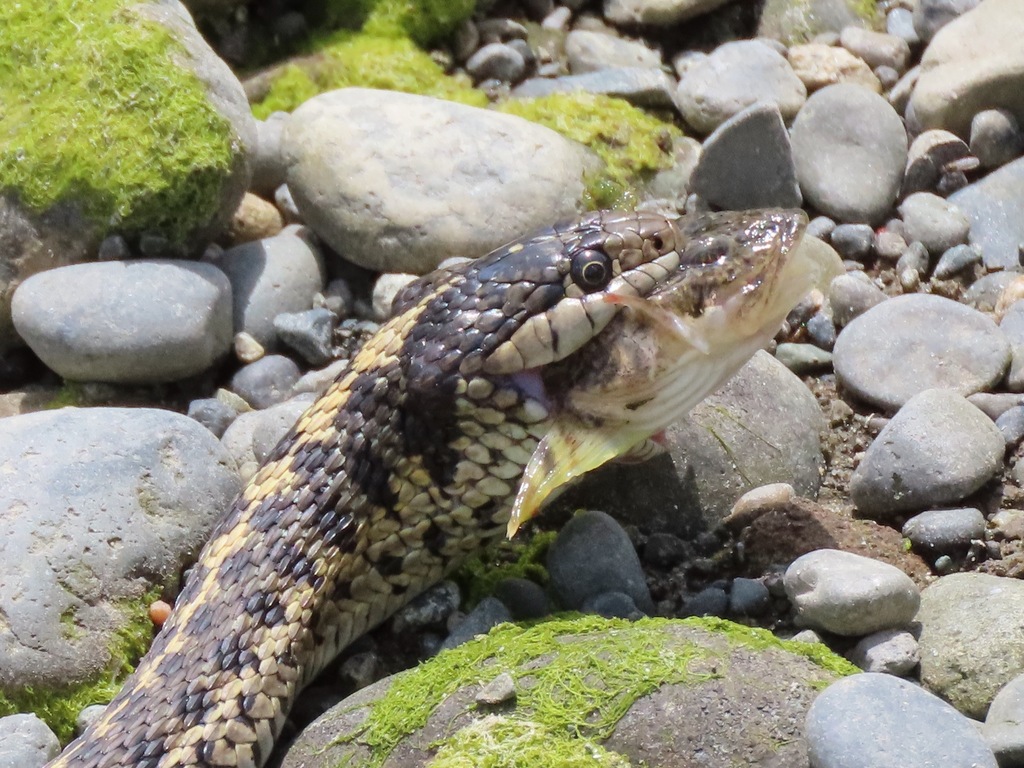
no rights reserved · CC0
Family: Cottidae · Class: Actinopterygii · Order: Perciformes
Leptocottus armatus armatus southern (Northern Pacific staghom sculpin) is a California animal in the Cottidae family.
The northern Pacific staghorn sculpin (Leptocottus armatus armatus) is a marine fish belonging to the family Cottidae. This subspecies represents the southern population of the Pacific staghorn sculpin complex. Adults typically measure 15-30 cm (6-12 inches) in total length, with a robust, tapering body characteristic of sculpins. The species displays a mottled brown and gray coloration that provides effective camouflage against sandy and rocky substrates. Notable features include a broad, flattened head with prominent eyes positioned dorsally, and well-developed pectoral fins adapted for benthic locomotion. The northern Pacific staghorn sculpin occurs along the Pacific coast from central California northward. This southern subspecies is found in nearshore waters, bays, and estuarine environments throughout its range. The species demonstrates strong site fidelity to particular coastal areas and embayments, with populations showing genetic differentiation between geographic regions. According to FishBase, the species is commonly found near shore, especially in bays and estuaries, most frequently on sandy bottom substrates. The northern Pacific staghorn sculpin inhabits intertidal and shallow subtidal zones, typically at depths ranging from the low tide line to approximately 30 meters. It shows a strong preference for areas with mixed sand and gravel substrates, often associating with eelgrass beds and rocky outcroppings that provide shelter and foraging opportunities. The species demonstrates remarkable physiological adaptation to intertidal environments, with individuals capable of aerial respiration when exposed during low tides. This sculpin is a benthic predator that feeds primarily on small crustaceans, polychaete worms, and juvenile fish. Spawning occurs during winter months, typically from December through February, with females depositing adhesive eggs in protected areas among rocks or vegetation. According to California Department of Fish and Wildlife data, eggs develop through February, with larvae present from December through February, and juveniles recruiting from September through March. Adults maintain year-round residence in their preferred habitats. The species exhibits complex territorial behavior during breeding season, with males establishing and defending nest sites. The northern Pacific staghorn sculpin currently holds an IUCN rank of N5, indicating the species is secure globally with no immediate conservation concerns. Population trends appear stable throughout most of its range, with the species maintaining viable populations in suitable coastal habitats. However, like many nearshore marine species, it faces potential threats from coastal development, water quality degradation, and habitat modification in estuarine environments. Climate change impacts on coastal ecosystems, including sea level rise and temperature changes, may affect long-term population stability. The species' dependence on shallow coastal habitats makes it potentially vulnerable to human activities that alter shoreline environments, though no specific conservation measures are currently deemed necessary given its secure status.
Classification
Class: Actinopterygii · Order: Perciformes · Family: Cottidae
Frequently asked questions
How is Leptocottus armatus armatus southern classified?
Leptocottus armatus armatus southern belongs to class Actinopterygii, order Perciformes, family Cottidae.
What family does Leptocottus armatus armatus southern belong to?
Leptocottus armatus armatus southern is in the Cottidae family.
What is Leptocottus armatus armatus southern?
The northern Pacific staghorn sculpin (Leptocottus armatus armatus) is a marine fish belonging to the family Cottidae.
Is Leptocottus armatus armatus southern found in California?
Yes. Leptocottus armatus armatus southern is recorded in California in The California Species Project's catalogue.
Related species
Other California species in the same genus, family, or bioregion.
Data from The California Species Project — 14,000+ California species with verified data from CNPS, CDFW, USFWS, and more.