Leptopa vittata
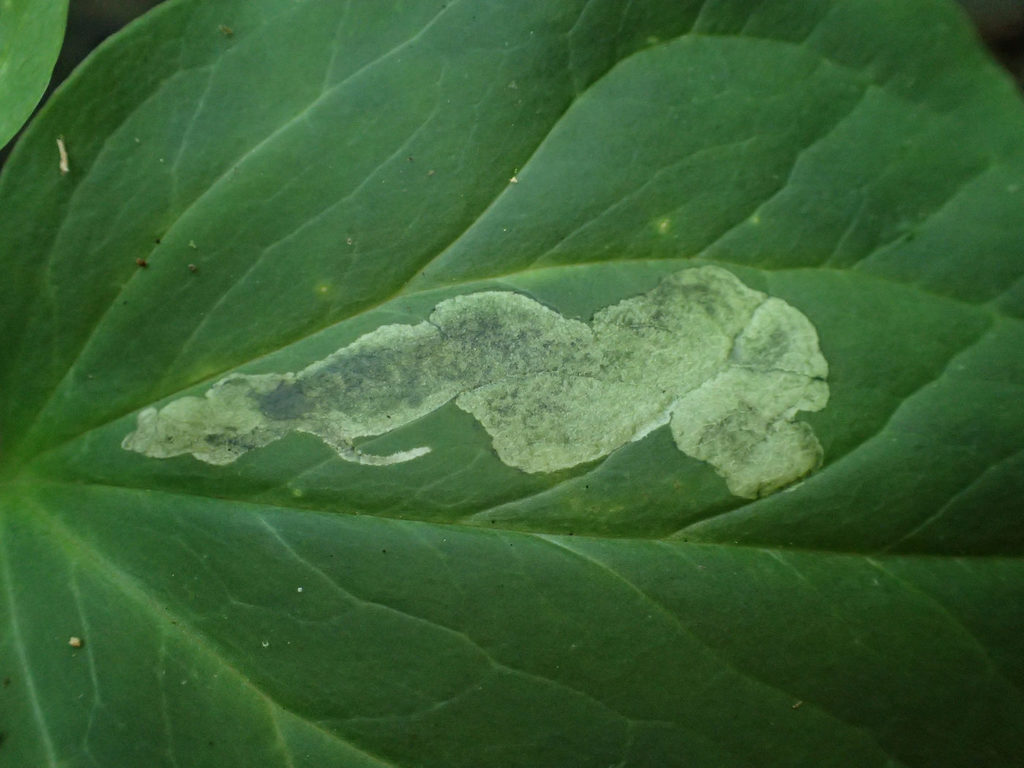
(c) Evan M. Raskin, some rights reserved (CC BY) · licence
Family: Scathophagidae · Class: Insecta · Order: Diptera
Leptopa vittata is a California animal in the Scathophagidae family.
Leptopa vittata is a small fly species belonging to the family Scathophagidae, commonly known as dung flies. This dipteran species represents one of the lesser-documented members of its family, with limited published research available on its morphology and ecology. Physical characteristics of L. vittata remain poorly documented in the scientific literature. Like other members of Scathophagidae, adults are presumed to be small flies, typically measuring 3-8 millimeters in length. The family is characterized by robust bristles on the head and thorax, and many species display yellowish to brown coloration. The specific epithet 'vittata' suggests the presence of stripes or bands, though detailed morphological descriptions for this species are not readily available in current taxonomic literature. The geographic distribution of Leptopa vittata has not been comprehensively documented. The genus Leptopa includes species distributed across North America, but specific range information for L. vittata remains unclear from available sources. Further taxonomic and biogeographic research is needed to establish the precise distribution of this species within California and elsewhere. Habitat preferences for L. vittata have not been well-documented in the scientific literature. Members of the Scathophagidae family typically inhabit areas associated with decomposing organic matter, particularly animal dung, which serves as both larval development sites and adult feeding areas. Many species in this family are found in grasslands, pastures, and other open areas where livestock or wildlife provide suitable breeding substrates. Ecological information specific to L. vittata is limited. Most Scathophagidae species exhibit similar life histories, with larvae developing in fresh dung and adults feeding on various organic matter. Adults may also feed on nectar and other plant fluids. Breeding typically involves females depositing eggs directly in fresh dung, where larvae complete their development through multiple instars before pupating in the substrate or nearby soil. The conservation status of Leptopa vittata has not been formally assessed by federal or state agencies. The species does not appear on endangered species lists, and no specific population data or trend information is available. Like many small dipteran species, L. vittata likely faces challenges from habitat modification and agricultural practices that affect the availability of suitable breeding substrates. Scientific documentation for this species remains extremely limited. The information presented here represents the current state of knowledge based on available taxonomic databases and family-level biological information. Detailed studies of L. vittata's distribution, habitat requirements, and ecological role are needed to provide comprehensive species-specific information. We welcome contributions of verified scientific data, photographs, or field observations to enhance this species account.
Classification
Class: Insecta · Order: Diptera · Family: Scathophagidae
Frequently asked questions
How is Leptopa vittata classified?
Leptopa vittata belongs to class Insecta, order Diptera, family Scathophagidae.
What family does Leptopa vittata belong to?
Leptopa vittata is in the Scathophagidae family.
What is Leptopa vittata?
Leptopa vittata is a small fly species belonging to the family Scathophagidae, commonly known as dung flies.
Is Leptopa vittata found in California?
Yes. Leptopa vittata is recorded in California in The California Species Project's catalogue.
Related species
Other California species in the same genus, family, or bioregion.
Data from The California Species Project — 14,000+ California species with verified data from CNPS, CDFW, USFWS, and more.