Leucochrysa pavida
Lichen-carrying Green Lacewing
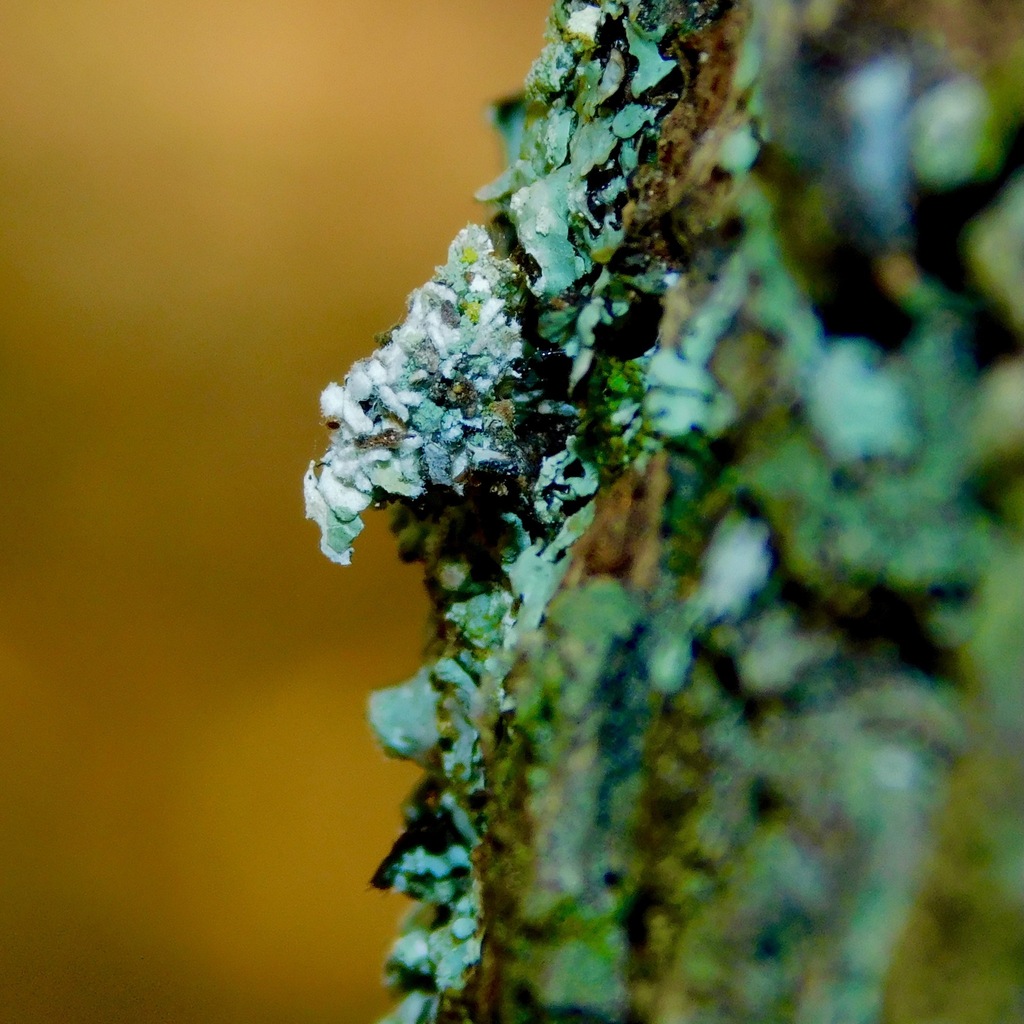
(c) Michael J. Papay, some rights reserved (CC BY) · licence
Family: Chrysopidae · Class: Insecta · Order: Neuroptera
Leucochrysa pavida (Lichen-carrying Green Lacewing) is a California animal in the Chrysopidae family.
The Lichen-carrying Green Lacewing is a predatory insect belonging to the family Chrysopidae, subfamily Chrysopinae, within the tribe Leucochrysini. This species is classified in the subgenus Nodita within the genus Leucochrysa, distinguishing it from other green lacewing species through its taxonomic placement and behavioral characteristics. Adult lacewings in this family typically possess delicate, transparent wings with intricate venation patterns and slender antennae. Green lacewings are characterized by their pale green to yellowish-green coloration, though specific morphological details for L. pavida require further documentation. The common name "lichen-carrying" suggests larvae may incorporate lichen fragments into their camouflage, a behavior observed in some Leucochrysa species where larvae attach debris to specialized bristles on their dorsal surface. The geographic range and specific distribution of Leucochrysa pavida within California have not been well documented in available scientific literature. The species appears in USFWS taxonomic databases, indicating federal recognition, though no specific listing status has been assigned. Like other members of the Chrysopidae family, this species likely occurs in woodland habitats where prey species are abundant. Habitat requirements for L. pavida remain poorly documented, though related green lacewing species typically inhabit areas with diverse vegetation that supports aphid and soft-bodied insect populations. Chrysopid larvae are terrestrial predators that require adequate shelter and prey availability, while adults need flowering plants for nectar feeding and suitable egg-laying substrates. Both adult and larval stages are predaceous, with larvae being particularly voracious consumers of aphids, scale insects, thrips, and other soft-bodied arthropods (Xerces Society 2018). Adult green lacewings supplement their diet with pollen and nectar from flowers, making them important both as biological control agents and minor pollinators. Females typically lay eggs on stalks attached to leaves or stems, unlike brown lacewings which attach eggs directly to plant surfaces. The larval stage, often called "aphid lions," actively hunts prey using powerful mandibles to pierce and drain body fluids. Lifecycle details specific to L. pavida have not been thoroughly studied, though chrysopid lacewings generally complete development through egg, three larval instars, pupal, and adult stages. Depending on climate and species, they may produce one to several generations annually, with overwintering occurring in various life stages. Conservation status information for Leucochrysa pavida is extremely limited. The species does not appear on federal or state endangered species lists as of December 2025, though this may reflect insufficient survey data rather than population stability. Like many beneficial insects, green lacewings face threats from habitat loss, pesticide use, and climate change impacts on prey species availability. Scientific documentation for this species remains limited. The information presented here synthesizes available taxonomic data from USFWS databases and general chrysopid biology from established sources. Detailed studies of L. pavida distribution, ecology, and conservation needs would significantly enhance understanding of this beneficial predatory insect.
Classification
Class: Insecta · Order: Neuroptera · Family: Chrysopidae
Frequently asked questions
How is Leucochrysa pavida classified?
Leucochrysa pavida belongs to class Insecta, order Neuroptera, family Chrysopidae.
What family does Leucochrysa pavida belong to?
Leucochrysa pavida is in the Chrysopidae family.
What is Leucochrysa pavida?
The Lichen-carrying Green Lacewing is a predatory insect belonging to the family Chrysopidae, subfamily Chrysopinae, within the tribe Leucochrysini.
Is Leucochrysa pavida found in California?
Yes. Leucochrysa pavida is recorded in California in The California Species Project's catalogue.
Related species
Other California species in the same genus, family, or bioregion.
Data from The California Species Project — 14,000+ California species with verified data from CNPS, CDFW, USFWS, and more.