Leucorrhinia hudsonica
Hudsonian Whiteface
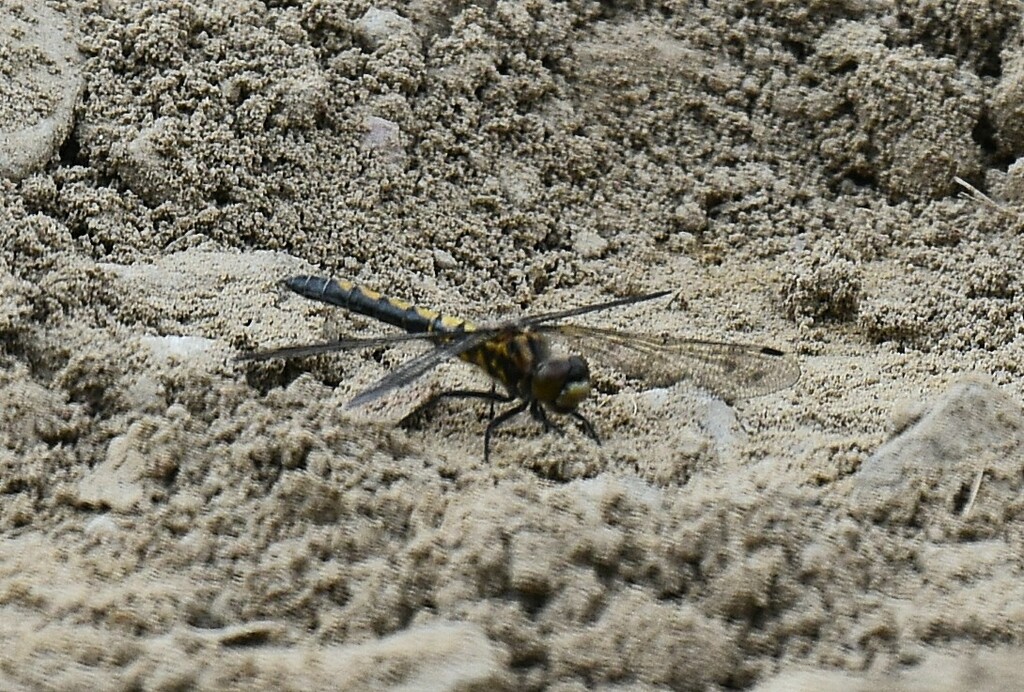
(c) Jimmy Dee, some rights reserved (CC BY-SA) · licence
Family: Libellulidae · Class: Insecta · Order: Odonata
Leucorrhinia hudsonica (Hudsonian Whiteface) is a California animal in the Libellulidae family.
The Hudsonian whiteface is a medium-sized dragonfly in the family Libellulidae, native to northern North America. Adults typically measure 38-42 mm (1.5-1.7 inches) in length with a wingspan of approximately 60-65 mm (2.4-2.6 inches). The species exhibits the characteristic white face that gives whiteface dragonflies their common name, with males displaying a prominent white labrum and frons. The thorax is dark brown to black with pale lateral stripes, while the abdomen is black with distinctive white or pale yellow markings on segments 1-3 and sometimes segment 7. Females are generally duller in coloration than males, with less pronounced facial markings. The Hudsonian whiteface has a primarily boreal distribution across northern North America, ranging from Alaska and northern Canada south to the northern United States. According to NatureServe, the species extends from British Columbia east to Newfoundland and south to northern California, Montana, Minnesota, and Maine. In the western United States, populations occur at higher elevations in montane regions. The common name derives from the species' association with the Hudson Bay region where it was first extensively documented. This species inhabits acidic bog lakes, ponds, and slow-moving streams typically surrounded by coniferous forest or mixed woodland. Adults are most commonly found near water bodies with emergent vegetation such as sedges, rushes, and sphagnum moss. The species shows a preference for cooler, northern climates and is often associated with pristine or minimally disturbed aquatic habitats. Elevation ranges vary by latitude, with populations occurring from sea level in northern regions to over 2,000 meters (6,600 feet) in mountainous areas. Hudsonian whiteface dragonflies are active fliers that patrol territories over open water and shoreline areas. Adults emerge from late May through August, depending on latitude and elevation, with peak flight periods typically occurring in June and July. Males establish territories near suitable oviposition sites and engage in aerial displays to attract females. Mating occurs in tandem flight, after which females deposit eggs by dipping their abdomens into shallow water near emergent vegetation. Larvae are aquatic predators that develop over 2-3 years in the sediment and organic matter of bog and pond bottoms, feeding on small invertebrates and emerging insects. The Hudsonian whiteface currently lacks formal conservation status designations at federal or state levels. However, like many bog-associated species, it may be vulnerable to habitat loss from wetland drainage, climate change, and development pressure on northern aquatic ecosystems. The species' dependence on acidic bog habitats and sensitivity to water quality changes makes monitoring important for detecting population trends. As adults have limited dispersal abilities and larvae require specific habitat conditions, isolated populations may be particularly susceptible to local extirpation from habitat degradation.
Classification
Class: Insecta · Order: Odonata · Family: Libellulidae
Frequently asked questions
How is Leucorrhinia hudsonica classified?
Leucorrhinia hudsonica belongs to class Insecta, order Odonata, family Libellulidae.
What family does Leucorrhinia hudsonica belong to?
Leucorrhinia hudsonica is in the Libellulidae family.
What is Leucorrhinia hudsonica?
The Hudsonian whiteface is a medium-sized dragonfly in the family Libellulidae, native to northern North America.
Is Leucorrhinia hudsonica found in California?
Yes. Leucorrhinia hudsonica is recorded in California in The California Species Project's catalogue.
Related species
Other California species in the same genus, family, or bioregion.
Data from The California Species Project — 14,000+ California species with verified data from CNPS, CDFW, USFWS, and more.