Lichnanthe albipilosa
White Sand Bear Scarab Beetle
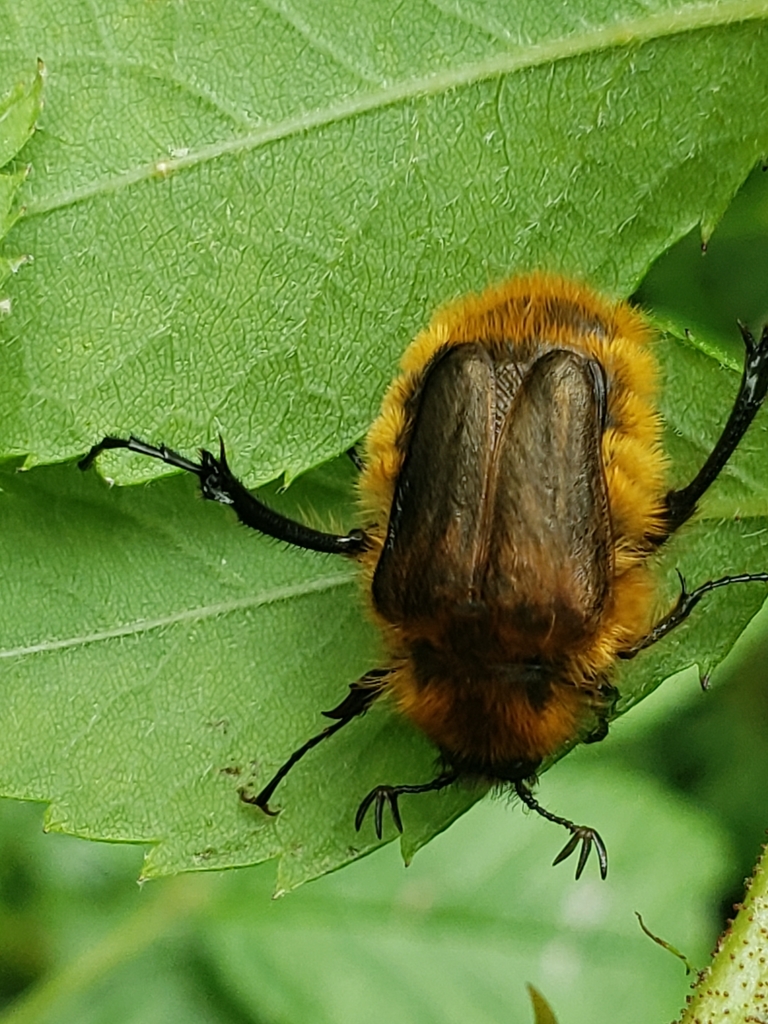
(c) Mark Richman, some rights reserved (CC BY) · licence
Family: Glaphyridae · Class: Insecta · Order: Coleoptera
Conservation status: G1 S1
Lichnanthe albipilosa (White Sand Bear Scarab Beetle) is a California animal in the Glaphyridae family.
The White Sand Bear Scarab Beetle (Lichnanthe albipilosa) is a critically rare insect species endemic to California. As a member of the scarab beetle family (Scarabaeidae), this species belongs to the family Glaphyridae, subfamily Rutelinae, which includes the shining leaf chafers and bear scarabs. The specific morphological characteristics and size measurements of L. albipilosa have not been well documented in the scientific literature, reflecting the extreme rarity of this species and limited research opportunities. The White Sand Bear Scarab Beetle has an extremely restricted range within California. According to NatureServe, the species is currently known from only eleven individuals in one county in California (NatureServe 2025). This represents one of the most geographically limited distributions of any North American scarab beetle species. The specific county and exact localities where these individuals were collected have not been publicly disclosed, likely to protect the remaining population from collection pressure and habitat disturbance. Habitat requirements for L. albipilosa remain poorly understood due to the scarcity of specimens and field observations. The common name "White Sand Bear Scarab" suggests an association with sandy substrates, which is consistent with habitat preferences of related Lichnanthe species that typically occur in areas with loose, well-drained soils. Many bear scarabs in this genus are associated with coastal dune systems, inland sand deposits, or other sandy habitats where their larvae can develop in the subsurface environment. However, specific microhabitat requirements, elevation range, and associated vegetation types for L. albipilosa have not been documented. The life cycle and ecological behavior of the White Sand Bear Scarab Beetle are largely unknown. Like other members of the genus Lichnanthe, adults likely emerge during specific seasonal periods, potentially coinciding with favorable moisture and temperature conditions. Bear scarabs typically have subterranean larvae that feed on organic matter in sandy soils, while adults may feed on plant materials, though specific host plants for L. albipilosa have not been identified. The reproductive biology, development time, and seasonal activity patterns remain undocumented for this species. The conservation status of L. albipilosa is precarious. With a NatureServe global rank of G1, the species is considered critically imperiled due to extreme rarity (NatureServe 2025). The discovery of only eleven individuals suggests the population may be on the verge of extinction or already functionally extinct. The species does not currently appear on federal or state endangered species lists, and notably, the U.S. Fish and Wildlife Service does not maintain a species profile for L. albipilosa, which underscores the limited scientific attention this species has received. Primary threats likely include habitat loss, fragmentation of sandy habitats, urban development, recreational activities, and the species' extremely small population size, which makes it vulnerable to stochastic events. The limited number of known individuals raises serious questions about the species' long-term viability and reproductive potential. Detailed ecological studies of this species are lacking due to its extreme rarity. This species is included on the California Department of Fish and Wildlife's Special Animals List. The above information synthesizes available data from NatureServe and taxonomic databases. Additional field surveys, habitat analysis, and genetic studies are critically needed to better understand this species' biology and conservation requirements.
Classification
Class: Insecta · Order: Coleoptera · Family: Glaphyridae
Conservation status
G1 S1
Frequently asked questions
How is Lichnanthe albipilosa classified?
Lichnanthe albipilosa belongs to class Insecta, order Coleoptera, family Glaphyridae.
What family does Lichnanthe albipilosa belong to?
Lichnanthe albipilosa is in the Glaphyridae family.
Is Lichnanthe albipilosa protected or of conservation concern?
Lichnanthe albipilosa carries the following status: G1 S1.
What is Lichnanthe albipilosa?
The White Sand Bear Scarab Beetle (Lichnanthe albipilosa) is a critically rare insect species endemic to California.
Is Lichnanthe albipilosa found in California?
Yes. Lichnanthe albipilosa is recorded in California in The California Species Project's catalogue.
Related species
Other California species in the same genus, family, or bioregion.
Data from The California Species Project — 14,000+ California species with verified data from CNPS, CDFW, USFWS, and more.