Limnophora tigrina
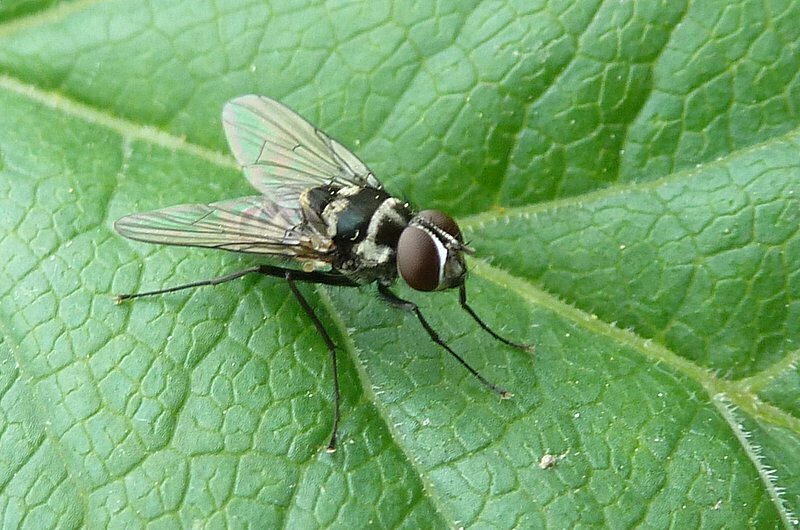
no rights reserved · CC0
Family: Muscidae · Class: Insecta · Order: Diptera
Limnophora tigrina is a California animal in the Muscidae family.
Limnophora tigrina is a species of muscid fly in the family Muscidae, belonging to the order Diptera. This dipteran species represents one of many muscid flies found within California's diverse insect fauna, though detailed scientific documentation of its specific characteristics remains limited in readily accessible literature. The genus Limnophora comprises numerous species of muscid flies that are typically associated with moist environments, as suggested by the generic name which translates to "pond-bearing" or "marsh-bearing." Members of this genus generally exhibit the characteristic features of muscid flies, including prominent compound eyes, well-developed wings with distinct venation patterns, and bristle-like setae on various body segments. However, specific morphological details for L. tigrina, including body size, coloration patterns, and distinguishing characteristics, have not been comprehensively documented in available sources. The current distribution and range of Limnophora tigrina within California has not been precisely mapped in accessible databases. Muscid flies of the genus Limnophora are typically found in riparian zones, wetland margins, and other moisture-rich habitats where their larvae can develop in organic matter. Without specific collection records or habitat studies for this species, its exact geographic distribution within the state remains unclear. Habitat preferences for L. tigrina have not been specifically documented, though related Limnophora species are generally associated with aquatic or semi-aquatic environments. These flies typically inhabit areas near standing or slow-moving water, including pond margins, stream edges, and wetland areas where organic debris accumulates. The larvae of muscid flies in this genus commonly develop in decomposing organic matter in moist soil or sediment. Ecological information specific to L. tigrina is not well documented in current literature. Most Limnophora species are saprophagous, with larvae feeding on decaying organic matter in aquatic or semi-aquatic environments. Adult flies typically feed on nectar, plant exudates, or other organic materials. Reproduction patterns, seasonal activity periods, and specific ecological interactions for this species require further investigation. The conservation status of Limnophora tigrina has not been formally assessed by federal or state agencies. The species does not appear on current threatened or endangered species lists, nor does it have designated critical habitat. This absence from conservation databases may reflect either stable populations or insufficient scientific study to determine population trends and conservation needs. Many dipteran species, particularly those in the family Muscidae, remain understudied despite their ecological importance as decomposers and components of food webs. Scientific documentation for this species remains limited. The information presented here synthesizes general knowledge of the genus Limnophora with available taxonomic records. Comprehensive studies of L. tigrina's distribution, habitat requirements, life history, and ecological role in California ecosystems would contribute significantly to our understanding of the state's dipteran diversity.
Classification
Class: Insecta · Order: Diptera · Family: Muscidae
Frequently asked questions
How is Limnophora tigrina classified?
Limnophora tigrina belongs to class Insecta, order Diptera, family Muscidae.
What family does Limnophora tigrina belong to?
Limnophora tigrina is in the Muscidae family.
What is Limnophora tigrina?
Limnophora tigrina is a species of muscid fly in the family Muscidae, belonging to the order Diptera.
Is Limnophora tigrina found in California?
Yes. Limnophora tigrina is recorded in California in The California Species Project's catalogue.
Related species
Other California species in the same genus, family, or bioregion.
Data from The California Species Project — 14,000+ California species with verified data from CNPS, CDFW, USFWS, and more.