Linderiella santarosae
Santa Rosa Plateau Fairy Shrimp
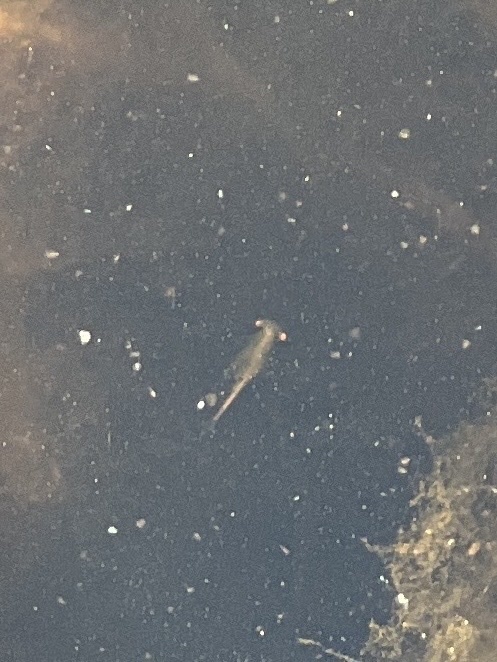
(c) Ian, some rights reserved (CC BY) · licence
Family: Chirocephalidae · Class: Branchiopoda · Order: Anostraca
Conservation status: G1G2 S1
Linderiella santarosae (Santa Rosa Plateau Fairy Shrimp) is a California animal in the Chirocephalidae family.
The Santa Rosa Plateau fairy shrimp (Linderiella santarosae) is a small freshwater crustacean endemic to vernal pool ecosystems in southern California. This translucent, elongated species belongs to the primitive order Anostraca and possesses the characteristic swimming appendages and feathery branchial structures typical of fairy shrimp. Like other Linderiella species, adults typically measure 8 to 20 millimeters (0.3 to 0.8 inches) in length, with males generally smaller than females and distinguished by enlarged antennae used for grasping during mating. The species is restricted to a very limited range on the Santa Rosa Plateau in Riverside County, California. This geographic isolation contributes to its conservation concern, as the entire known range encompasses only a few square miles of specialized habitat. The Santa Rosa Plateau represents one of the most significant remaining examples of vernal pool habitat in southern California. Santa Rosa Plateau fairy shrimp inhabit seasonal vernal pools and ephemeral freshwater wetlands that fill with winter and spring rainfall. These temporary pools typically occur in grassland and oak woodland ecosystems on clay hardpan or volcanic substrate that prevents water infiltration. The pools remain inundated for several weeks to months during the wet season, providing the necessary hydroperiod for completing the species' life cycle. Water temperatures in these pools can fluctuate significantly, and salinity levels remain low compared to more permanent aquatic habitats. This species exhibits the typical fairy shrimp life cycle adapted to ephemeral aquatic environments. Adults emerge from drought-resistant cysts that remain dormant in pool sediments during dry periods. Upon pool inundation, cysts hatch and larvae develop through multiple molts to reach reproductive maturity within several weeks. Adults are filter feeders, consuming bacteria, algae, protozoa, and organic detritus suspended in the water column. Swimming occurs in an upside-down orientation using rhythmic movements of their phyllopods. Reproduction involves the production of drought-resistant cysts that can survive extended dry periods and extreme temperatures in pool sediments. The Santa Rosa Plateau fairy shrimp carries a NatureServe global rank of G1G2, indicating it is critically imperiled to imperiled throughout its range. The species faces significant threats from habitat destruction, urban development, agricultural conversion, and hydrological modifications that alter natural pool hydrology. Invasive plant species and altered fire regimes also threaten vernal pool ecosystems. According to USFWS documentation, the species occurs in areas designated as critical habitat for other federally listed vernal pool species, providing some protection for the ecosystem (USFWS 2003). The Santa Rosa Plateau Ecological Reserve helps protect some remaining habitat, but the extremely restricted range makes this species particularly vulnerable to localized threats and stochastic events. Conservation efforts focus on habitat protection, invasive species management, and maintaining natural hydrological processes essential for vernal pool function.
Classification
Class: Branchiopoda · Order: Anostraca · Family: Chirocephalidae
Conservation status
G1G2 S1
Frequently asked questions
How is Linderiella santarosae classified?
Linderiella santarosae belongs to class Branchiopoda, order Anostraca, family Chirocephalidae.
What family does Linderiella santarosae belong to?
Linderiella santarosae is in the Chirocephalidae family.
Is Linderiella santarosae protected or of conservation concern?
Linderiella santarosae carries the following status: G1G2 S1.
What is Linderiella santarosae?
The Santa Rosa Plateau fairy shrimp (Linderiella santarosae) is a small freshwater crustacean endemic to vernal pool ecosystems in southern California.
Is Linderiella santarosae found in California?
Yes. Linderiella santarosae is recorded in California in The California Species Project's catalogue.
Related species
Other California species in the same genus, family, or bioregion.
Data from The California Species Project — 14,000+ California species with verified data from CNPS, CDFW, USFWS, and more.