Lithostege angelicata
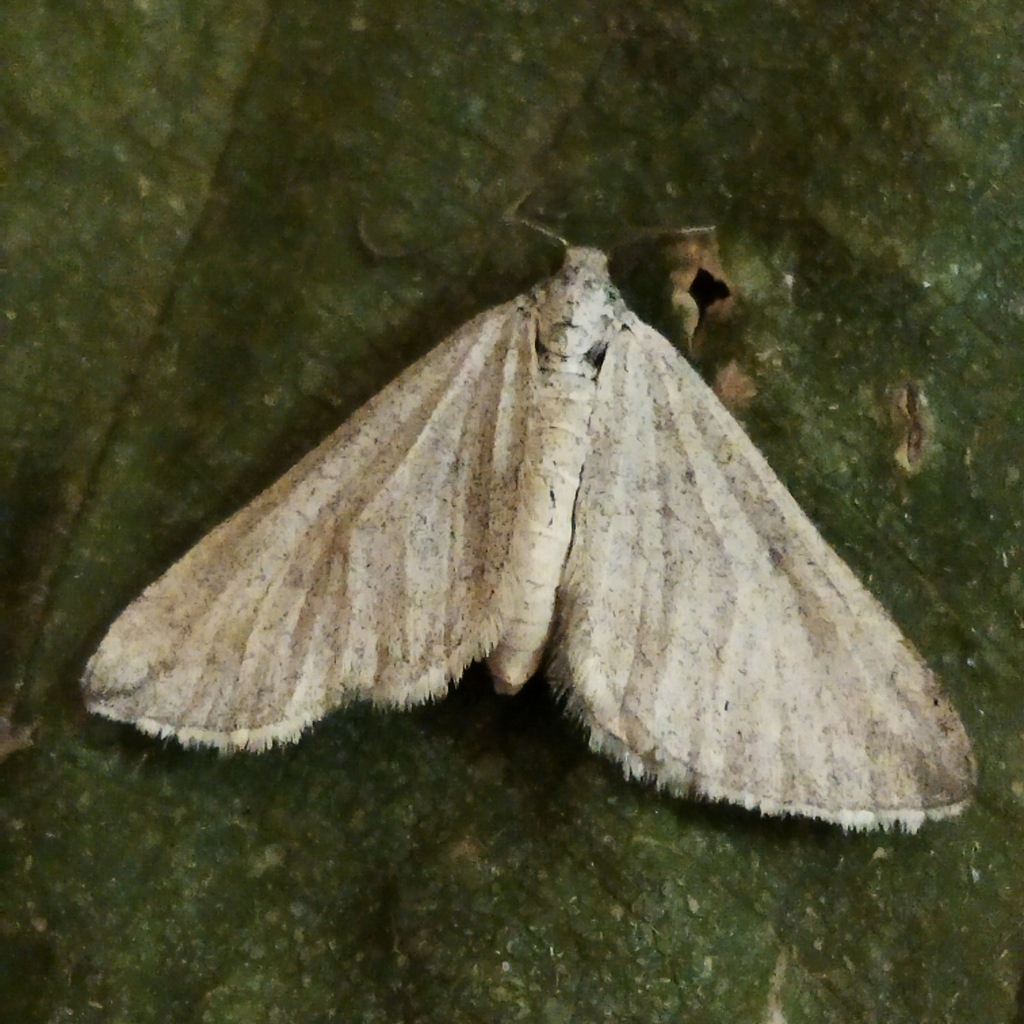
(c) SteveM4560, some rights reserved (CC BY) · licence
Family: Geometridae · Class: Insecta · Order: Lepidoptera
Lithostege angelicata is a California animal in the Geometridae family.
Lithostege angelicata is a moth species in the family Geometridae, commonly known as geometrid moths or inchworms. This species belongs to a genus of small to medium-sized moths characterized by their distinctive wing patterns and coloration. Geometridae moths are typically recognized by their slender bodies and broad, delicate wings that are held horizontally when at rest. The current distribution and range of Lithostege angelicata remains poorly documented in available literature. Limited taxonomic records suggest this species may occur in western North America, though specific locality data and range boundaries require further verification. The genus Lithostege includes several species distributed across temperate regions, with some occurring in California and adjacent states. Habitat requirements for Lithostege angelicata are not well-established in published sources. Geometridae moths typically inhabit diverse environments ranging from forests and woodlands to shrublands and grasslands. Many species in this family show associations with specific host plants or vegetation communities, though the particular habitat preferences of L. angelicata remain undocumented. Elevation ranges and microhabitat requirements have not been definitively recorded for this species. The life cycle and behavioral ecology of Lithostege angelicata follow the typical geometrid pattern of complete metamorphosis. Adult moths are generally nocturnal or crepuscular, attracted to artificial lights during evening hours. Larvae, commonly called inchworms or loopers, are characterized by their distinctive method of locomotion, arching their bodies as they move due to having fewer prolegs than other caterpillars. Specific host plants, larval development timing, and adult flight periods for L. angelicata have not been comprehensively documented in available literature. Reproductive behavior in Geometridae typically involves males locating females through pheromone detection. Mating occurs during the adult flight period, with females depositing eggs on or near host plants. Larval development proceeds through several instars before pupation, often occurring in soil or leaf litter. The number of generations per year and specific breeding timing for L. angelicata requires further study. The conservation status of Lithostege angelicata is currently undetermined due to limited available data on population size, distribution, and threats. The species lacks federal or state listing status, and its global conservation rank has not been assessed by major conservation organizations. This data deficiency is common among many moth species, particularly those that may be rare, have restricted distributions, or have received limited taxonomic and ecological study. Without comprehensive surveys and taxonomic verification, the current population status and conservation needs of L. angelicata cannot be adequately assessed. Potential threats to geometrid moths generally include habitat loss, pesticide use, light pollution, and climate change effects on host plants and seasonal timing. However, species-specific threat assessments and conservation recommendations for Lithostege angelicata await further research and field documentation.
Classification
Class: Insecta · Order: Lepidoptera · Family: Geometridae
Frequently asked questions
How is Lithostege angelicata classified?
Lithostege angelicata belongs to class Insecta, order Lepidoptera, family Geometridae.
What family does Lithostege angelicata belong to?
Lithostege angelicata is in the Geometridae family.
What is Lithostege angelicata?
Lithostege angelicata is a moth species in the family Geometridae, commonly known as geometrid moths or inchworms.
Is Lithostege angelicata found in California?
Yes. Lithostege angelicata is recorded in California in The California Species Project's catalogue.
Related species
Other California species in the same genus, family, or bioregion.
Data from The California Species Project — 14,000+ California species with verified data from CNPS, CDFW, USFWS, and more.