Litoprosopus coachella
Palm Flower Moth
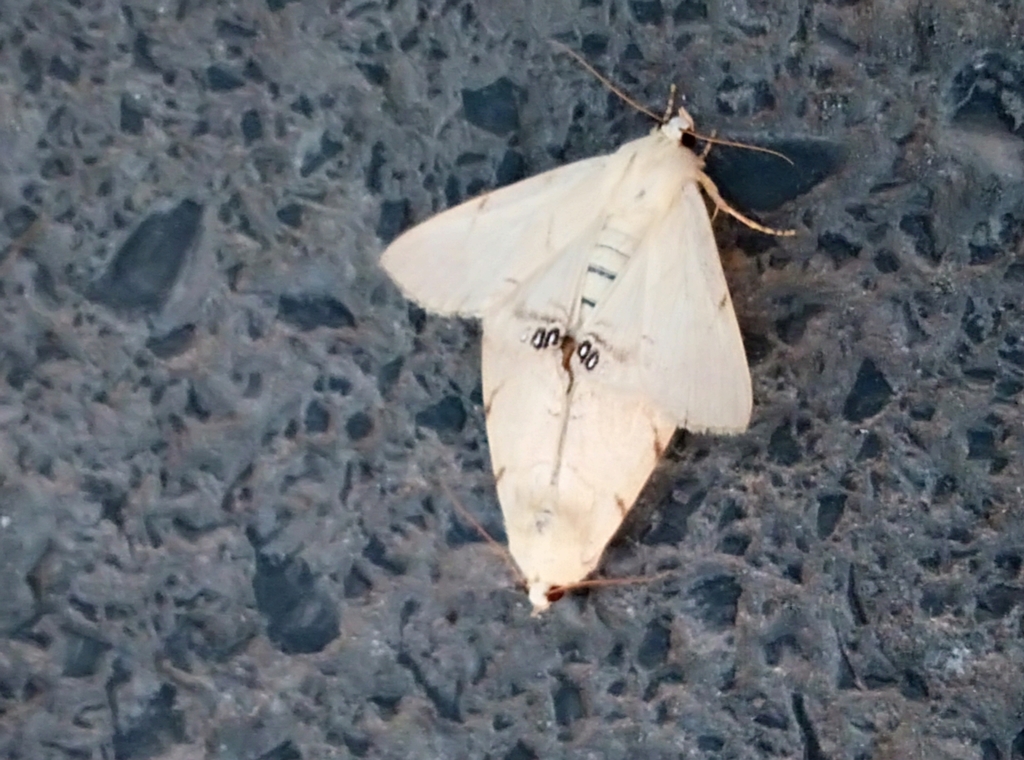
(c) Francisco Martínez González, some rights reserved (CC BY-SA) · licence
Family: Erebidae · Class: Insecta · Order: Lepidoptera
Litoprosopus coachella (Palm Flower Moth) is a California animal in the Erebidae family.
The Palm Flower Moth (Litoprosopus coachella) is a member of the family Erebidae, a diverse group of moths that includes many nocturnal species. This moth is characterized by forewings that typically measure 15-20 mm in length, with earth-toned coloration that provides effective camouflage among palm fronds and dried vegetation. The wings display mottled brown and gray patterns with subtle darker markings, while the hindwings are generally paler. The antennae are filiform in both sexes, and the body is relatively robust compared to other moths of similar wingspan. The species occurs across a limited range in the southwestern United States, including Arizona, California, and probably southern Nevada. In California, populations are associated with areas where native and cultivated palm species are present, particularly in desert regions and urban environments where Washington fan palms have been planted. The moth's distribution closely follows the availability of suitable host plants, which restricts its range to specific microhabitats within the broader desert southwest. Palm Flower Moths inhabit areas where palm trees grow, including natural oases, urban landscapes, and ornamental plantings. The species is found from sea level to moderate elevations, typically below 1,000 meters, in areas with hot, arid climates. Adults are associated with flowering palm trees, where they seek nectar sources and mating opportunities. The moths prefer areas with established palm groves or individual mature trees that provide both larval food sources and adult habitat. Larvae feed specifically on flowers of Washington fan palm (Washingtonia robusta) and other palm species. The caterpillars develop within the flower clusters, consuming developing buds and floral tissues. This specialized feeding relationship makes the moth entirely dependent on palm trees for reproduction. Adults are nocturnal and are attracted to artificial lights, particularly during warm months when palm trees are in bloom. The species likely has multiple generations per year in warmer regions, with activity patterns synchronized to palm flowering cycles. Mating occurs near host plants, and females deposit eggs directly on or near palm flower clusters. The Palm Flower Moth currently lacks formal conservation status at federal or state levels. However, the species' specialized relationship with palm trees makes it potentially vulnerable to habitat modification and the removal of palm trees from urban and natural environments. In California, the moth's populations may benefit from the widespread cultivation of ornamental palms, though this also creates dependency on maintained landscapes. Climate change could affect the species through impacts on palm tree flowering patterns and the expansion or contraction of suitable habitat zones. The moth's relatively restricted range and host plant specificity suggest that monitoring would be valuable to assess population trends and potential conservation needs.
Classification
Class: Insecta · Order: Lepidoptera · Family: Erebidae
Frequently asked questions
How is Litoprosopus coachella classified?
Litoprosopus coachella belongs to class Insecta, order Lepidoptera, family Erebidae.
What family does Litoprosopus coachella belong to?
Litoprosopus coachella is in the Erebidae family.
What is Litoprosopus coachella?
The Palm Flower Moth (Litoprosopus coachella) is a member of the family Erebidae, a diverse group of moths that includes many nocturnal species.
Is Litoprosopus coachella found in California?
Yes. Litoprosopus coachella is recorded in California in The California Species Project's catalogue.
Related species
Other California species in the same genus, family, or bioregion.
Data from The California Species Project — 14,000+ California species with verified data from CNPS, CDFW, USFWS, and more.