Lonicerae russoi
Cabbage bud gall midge
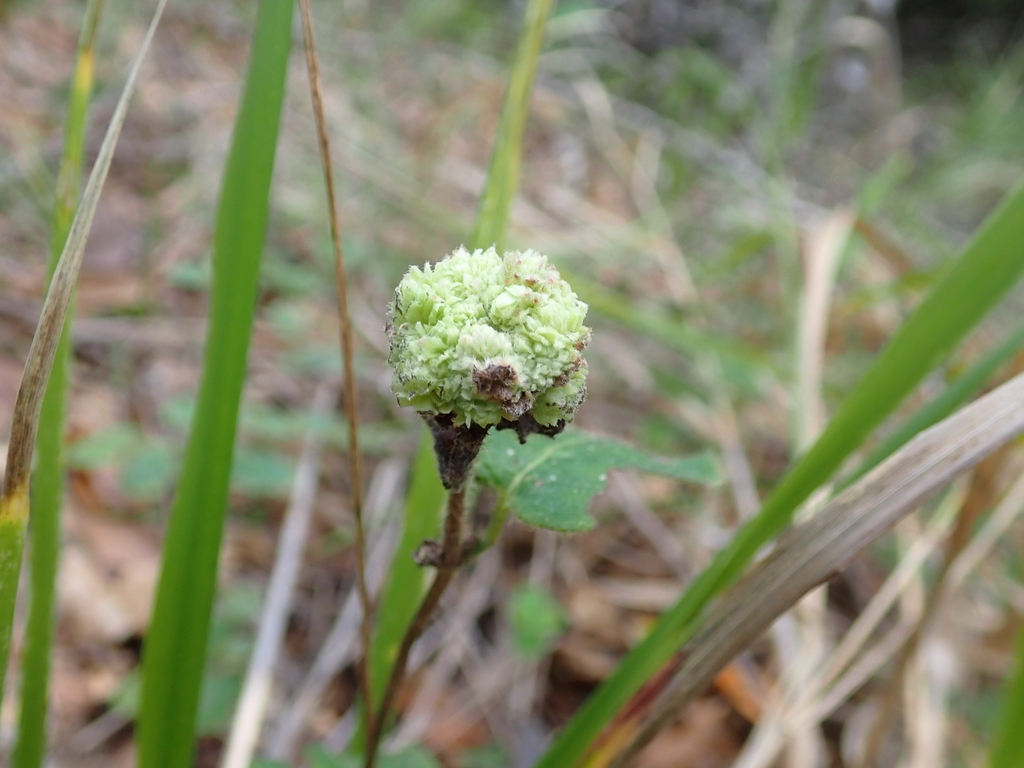
(c) harrier, some rights reserved (CC BY) · licence
Family: Cecidomyiidae · Class: Insecta · Order: Diptera
Lonicerae russoi (Cabbage bud gall midge) is a California animal in the Cecidomyiidae family.
Lonicerae russoi is listed as a gall midge (family Cecidomyiidae) in the order Diptera. However, detailed scientific documentation for this species remains extremely limited in available taxonomic and entomological literature. Gall midges are small flies typically measuring 1-5 millimeters in length, characterized by long antennae, reduced wing venation, and larvae that typically develop within plant tissues, often forming distinctive galls. The common name 'cabbage bud gall midge' suggests this species creates cabbage-like gall formations in plant buds, which is consistent with the feeding behavior of many cecidomyiid species. Gall midges in this family are known for their highly specialized relationships with host plants, with larvae inducing specific structural changes in plant tissues that provide both nutrition and protection during development. Without verified distributional data, the specific range of L. russoi in California cannot be definitively stated. Gall midges are found throughout California across various habitats, from coastal regions to mountainous areas, typically wherever their specific host plants occur. Many cecidomyiid species have restricted distributions closely tied to the availability of their host plants. The habitat requirements for this species have not been well documented in available scientific literature. Most gall midges are highly host-specific, with larvae developing exclusively within particular plant species or genera. The 'cabbage bud' designation suggests association with plants that produce compact, layered bud structures, though the specific host plant relationships remain unclear from current sources. Typical gall midge life cycles involve complete metamorphosis, with adults emerging from galls to mate and lay eggs on or near host plants. Females often possess elongated ovipositors for precise egg placement. Development time varies seasonally, with some species producing multiple generations per year while others may have extended development periods. Adults are generally short-lived, focusing primarily on reproduction. No federal or state conservation listing status has been documented for this species. The lack of detailed biological and ecological information makes assessment of population status and conservation needs difficult. Many gall midge species remain poorly studied due to their small size, cryptic behavior, and specialized ecological requirements. The limited scientific documentation available for L. russoi highlights the need for additional taxonomic and ecological research on California's diverse cecidomyiid fauna. Comprehensive surveys and biological studies would help clarify the species' identity, distribution, host plant relationships, and conservation status. Community scientists and field biologists are encouraged to document gall midge observations and submit specimens to appropriate institutions for taxonomic verification.
Classification
Class: Insecta · Order: Diptera · Family: Cecidomyiidae
Frequently asked questions
How is Lonicerae russoi classified?
Lonicerae russoi belongs to class Insecta, order Diptera, family Cecidomyiidae.
What family does Lonicerae russoi belong to?
Lonicerae russoi is in the Cecidomyiidae family.
What is Lonicerae russoi?
Lonicerae russoi is listed as a gall midge (family Cecidomyiidae) in the order Diptera.
Is Lonicerae russoi found in California?
Yes. Lonicerae russoi is recorded in California in The California Species Project's catalogue.
Related species
Other California species in the same genus, family, or bioregion.
Data from The California Species Project — 14,000+ California species with verified data from CNPS, CDFW, USFWS, and more.