Lophocampa ingens
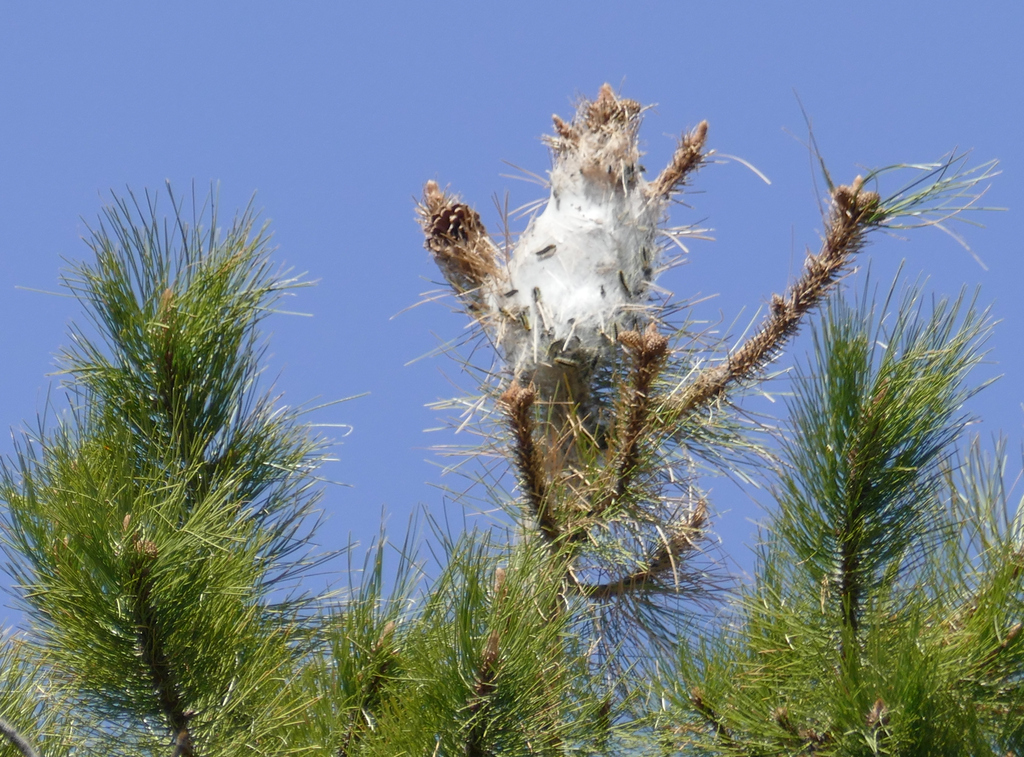
(c) Wendy McCrady, some rights reserved (CC BY) · licence
Family: Erebidae · Class: Insecta · Order: Lepidoptera
Lophocampa ingens is a California animal in the Erebidae family.
Lophocampa ingens is a moth species in the family Erebidae, subfamily Arctiinae, commonly known as tiger moths. This species belongs to the genus Lophocampa, which comprises medium to large-sized moths characterized by their robust build and distinctive wing patterns. Adult L. ingens typically display the characteristic features of tiger moths, with dense, woolly scaling on the thorax and abdomen, and wings that often exhibit contrasting patterns of light and dark markings. The distribution of Lophocampa ingens appears to be restricted to western North America, with confirmed records from California. The species' range likely encompasses montane and submontane regions of the state, though specific distributional data remains limited. Like other members of the genus Lophocampa, this species probably occurs in forested habitats where suitable host plants are present. Lophocampa ingens inhabits forested environments, particularly areas dominated by coniferous trees. The species likely occurs across a range of elevations in montane ecosystems, where it depends on specific host plant relationships for larval development. The habitat requirements are closely tied to the presence of suitable vegetation for caterpillar feeding, which is typical for specialized herbivorous moths in this family. The larval stage of L. ingens, like other Lophocampa species, likely feeds on the foliage of trees and shrubs. Tiger moth caterpillars in this genus are typically hairy and robust, often called woolly bears, and may feed on a variety of plant species within their habitat range. Adult moths are generally nocturnal and are attracted to artificial lights. The life cycle likely follows a pattern typical of temperate moths, with overwintering occurring in the larval or pupal stage, and adults emerging during warmer months for mating and egg-laying. Lophocampa ingens does not appear on federal or state endangered species lists, and its conservation status remains largely undocumented. The lack of comprehensive population data and limited ecological research makes it difficult to assess current population trends or identify specific conservation needs. Like many lesser-known invertebrate species, L. ingens may face threats from habitat loss, forest management practices, and climate change impacts on montane forest ecosystems. The species' dependence on specific host plants and forest habitats could make it vulnerable to environmental changes that alter vegetation composition or forest structure. Without dedicated surveys and population monitoring, the true conservation status of this species remains uncertain, highlighting the need for increased research on California's diverse moth fauna and the ecological roles these species play in forest ecosystems.
Classification
Class: Insecta · Order: Lepidoptera · Family: Erebidae
Frequently asked questions
How is Lophocampa ingens classified?
Lophocampa ingens belongs to class Insecta, order Lepidoptera, family Erebidae.
What family does Lophocampa ingens belong to?
Lophocampa ingens is in the Erebidae family.
What is Lophocampa ingens?
Lophocampa ingens is a moth species in the family Erebidae, subfamily Arctiinae, commonly known as tiger moths.
Is Lophocampa ingens found in California?
Yes. Lophocampa ingens is recorded in California in The California Species Project's catalogue.
Related species
Other California species in the same genus, family, or bioregion.
Data from The California Species Project — 14,000+ California species with verified data from CNPS, CDFW, USFWS, and more.