Lophocampa pura
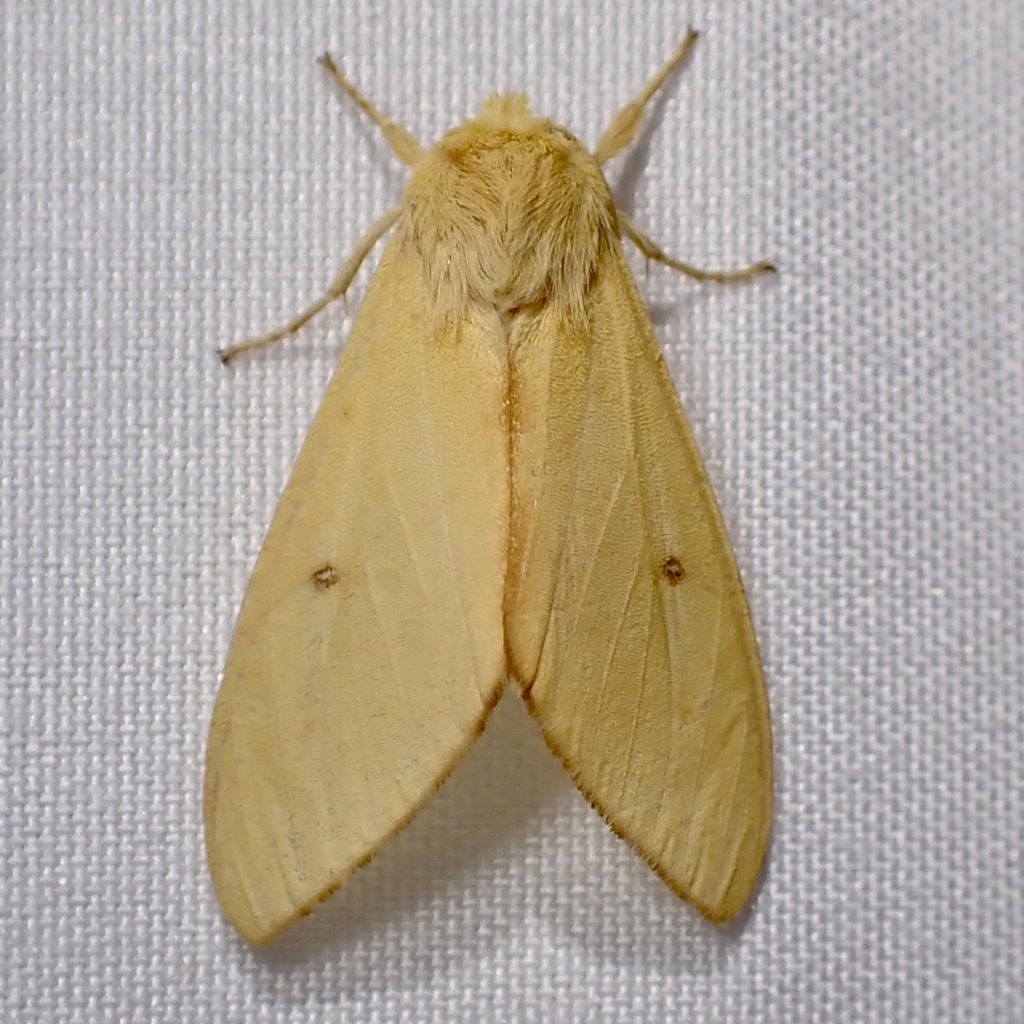
(c) Sue Carnahan, some rights reserved (CC BY) · licence
Family: Erebidae · Class: Insecta · Order: Lepidoptera
Lophocampa pura is a California animal in the Erebidae family.
Lophocampa pura is a moth species in the family Erebidae, subfamily Arctiinae, commonly known as tiger moths. This species belongs to the genus Lophocampa, which comprises medium-sized moths characterized by their dense, hair-like scales and distinctive wing patterns. Adult moths typically measure 25 to 35 mm in wingspan, though specific measurements for L. pura require verification from taxonomic literature. The distribution and range of Lophocampa pura in California remains poorly documented in current literature. The species appears to be part of the western North American fauna, but specific county records and elevation ranges within California are not well-established in accessible databases. This lack of detailed distribution data suggests either limited survey efforts for this species or potential confusion with closely related Lophocampa species that occur in similar habitats. Habitat requirements for L. pura are not well-documented in current literature, though related Lophocampa species typically inhabit forested environments, particularly areas with diverse understory vegetation. Many tiger moths in this genus are associated with mixed coniferous and deciduous forests, often preferring areas with adequate moisture and diverse plant communities that support their larval host plants. The life cycle and behavior of L. pura follows the typical pattern of Erebidae moths. Adults are likely nocturnal, attracted to artificial lights during their flight period. The timing of adult emergence and flight periods for this species requires verification from field studies or museum records. Larvae, like other Lophocampa species, are probably polyphagous caterpillars feeding on a variety of herbaceous plants and possibly woody vegetation. The larvae typically develop through multiple instars before pupating in the soil or leaf litter. Lophocampa pura larvae likely exhibit the defensive behaviors common to many Arctiinae moths, potentially possessing urticating hairs or the ability to sequester defensive compounds from their host plants. Adult moths may also employ chemical defenses, as many tiger moths produce ultrasonic clicks to warn predators of their unpalatability or to interfere with bat echolocation. The conservation status of Lophocampa pura is not established, as the species lacks formal state or federal listing status. The absence of recent population data or systematic surveys makes it difficult to assess current population trends or identify specific conservation threats. Like many lepidopteran species, potential threats may include habitat loss from development, changes in fire regimes, climate change impacts on host plant communities, and pesticide applications in both agricultural and urban environments. Further research is needed to establish basic ecological information for L. pura, including definitive host plant relationships, detailed distribution mapping within California, flight periods, and population status assessments. Systematic surveys targeting this species would help clarify its conservation needs and inform potential management strategies.
Classification
Class: Insecta · Order: Lepidoptera · Family: Erebidae
Frequently asked questions
How is Lophocampa pura classified?
Lophocampa pura belongs to class Insecta, order Lepidoptera, family Erebidae.
What family does Lophocampa pura belong to?
Lophocampa pura is in the Erebidae family.
What is Lophocampa pura?
Lophocampa pura is a moth species in the family Erebidae, subfamily Arctiinae, commonly known as tiger moths.
Is Lophocampa pura found in California?
Yes. Lophocampa pura is recorded in California in The California Species Project's catalogue.
Related species
Other California species in the same genus, family, or bioregion.
Data from The California Species Project — 14,000+ California species with verified data from CNPS, CDFW, USFWS, and more.