Lophocampa sobrina
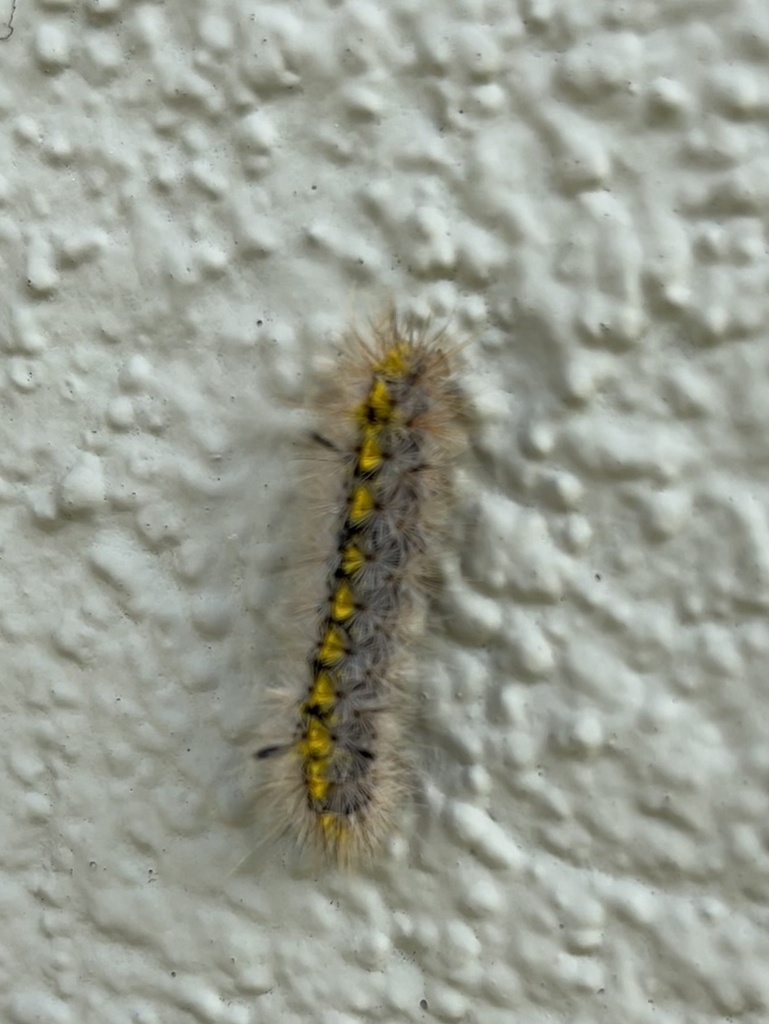
(c) Nelson Balcar, some rights reserved (CC BY) · licence
Family: Erebidae · Class: Insecta · Order: Lepidoptera
Lophocampa sobrina is a California animal in the Erebidae family.
Lophocampa sobrina is a moth species in the family Erebidae, subfamily Arctiinae, commonly known as tiger moths or woolly bears. This species belongs to the genus Lophocampa, which comprises medium-sized moths characterized by their fuzzy, hair-like scales and often colorful wing patterns. Adult L. sobrina typically displays the characteristic features of the genus, with a robust body covered in dense setae and forewings that may exhibit patterns of spots or bands, though specific coloration details for this species require further documentation. The distribution and range of Lophocampa sobrina within California remains poorly documented in current literature. The species appears to be part of the western North American fauna, but specific county records and elevational ranges within California are not well established in accessible databases. This lack of detailed distributional data reflects the limited research attention given to many moth species, despite their ecological importance. Habitat preferences for L. sobrina are not thoroughly documented, though related Lophocampa species typically inhabit areas with diverse plant communities that support their larval host plants. Tiger moths in this genus generally prefer habitats with sufficient moisture and plant diversity, ranging from coastal areas to montane forests. The specific microhabitat requirements and elevation preferences for L. sobrina remain subjects for further research. The life cycle of Lophocampa sobrina follows the typical pattern of moths in the subfamily Arctiinae. Adults are likely active during specific seasonal periods, though flight times have not been precisely documented for this species. Larvae, commonly called woolly bears due to their dense coat of setae, are presumed to feed on various plant species, as is typical for the genus. Many Lophocampa species have polyphagous larvae that consume multiple plant families, but the specific host plant relationships for L. sobrina are not well documented in current literature. The larvae likely undergo several instars before pupating, with development timing dependent on temperature and photoperiod. The conservation status of Lophocampa sobrina is not formally assessed at federal or state levels. Like many moth species, it lacks specific conservation rankings from major assessment organizations. The absence of conservation status designations does not necessarily indicate security, but rather reflects the limited data available for most Lepidoptera species. Many moths face potential threats from habitat loss, light pollution, pesticide use, and climate change, though the specific vulnerability of L. sobrina to these factors remains unknown. The species would benefit from targeted surveys to establish baseline population data and habitat requirements, which are essential for future conservation planning. Further taxonomic and ecological research is needed to fully understand the biology, distribution, and conservation needs of Lophocampa sobrina. Citizen science efforts and professional surveys could help fill critical data gaps for this and other understudied moth species in California.
Classification
Class: Insecta · Order: Lepidoptera · Family: Erebidae
Frequently asked questions
How is Lophocampa sobrina classified?
Lophocampa sobrina belongs to class Insecta, order Lepidoptera, family Erebidae.
What family does Lophocampa sobrina belong to?
Lophocampa sobrina is in the Erebidae family.
What is Lophocampa sobrina?
Lophocampa sobrina is a moth species in the family Erebidae, subfamily Arctiinae, commonly known as tiger moths or woolly bears.
Is Lophocampa sobrina found in California?
Yes. Lophocampa sobrina is recorded in California in The California Species Project's catalogue.
Related species
Other California species in the same genus, family, or bioregion.
Data from The California Species Project — 14,000+ California species with verified data from CNPS, CDFW, USFWS, and more.