Lymnocryptes minimus
Jack Snipe
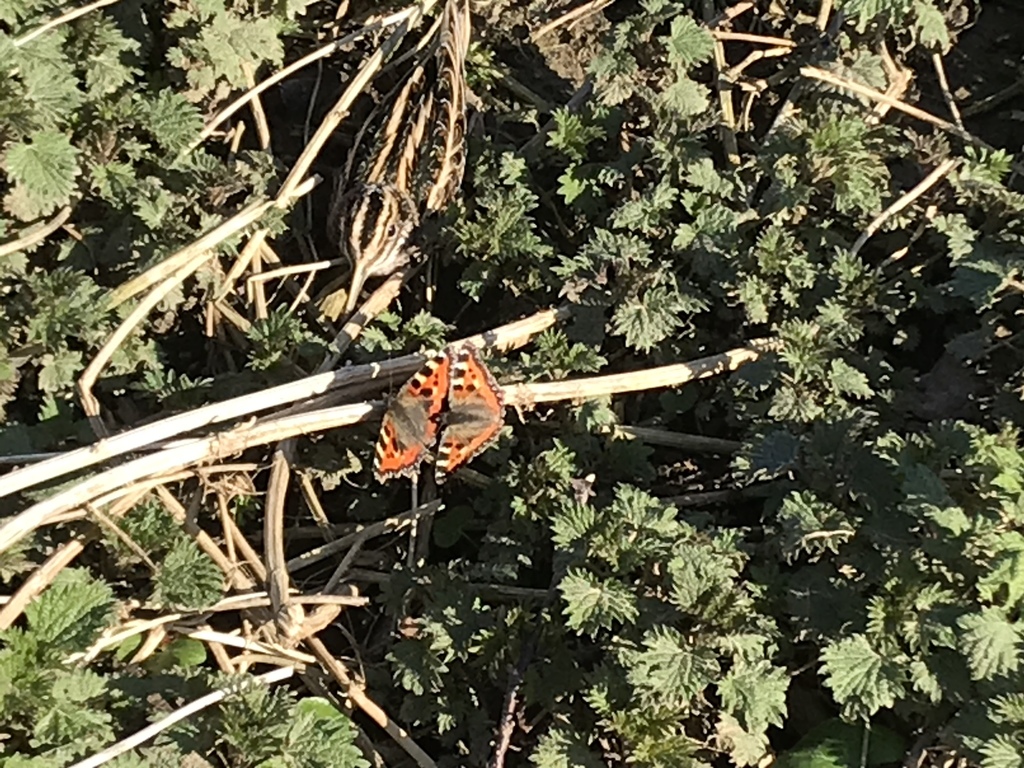
(c) Mark Wilkinson, some rights reserved (CC BY) · licence
Family: Scolopacidae · Class: Aves · Order: Charadriiformes
Lymnocryptes minimus (Jack Snipe) is a California animal in the Scolopacidae family.
The Jack Snipe is a small, secretive shorebird that occurs as a rare vagrant to California. Adults measure 17-19 cm (6.7-7.5 inches) in length with a wingspan of 30-36 cm (11.8-14.2 inches), making it the smallest snipe species in North America. The species weighs 35-73 grams (1.2-2.6 ounces). The upperparts display distinctive dark brown and black streaking with prominent buff and white stripes running along the back. The underparts are white with brown streaking on the breast and flanks. The bill is proportionally shorter than other snipe species, measuring 35-41 mm (1.4-1.6 inches), and is straight with a slightly swollen tip. The legs are yellowish-green to olive in color. Jack Snipe breed across northern Eurasia from Scandinavia through Siberia to the Pacific coast. The species winters primarily in western and southern Europe, Africa, and southern Asia. In North America, Jack Snipe occur as extremely rare vagrants, with most records from Alaska and the Pacific Northwest. California records are exceptionally rare, with fewer than five documented occurrences in the state's birding history. Most North American records occur during fall migration from September through November. The species inhabits freshwater wetlands including marshes, bogs, shallow ponds, and muddy shorelines with emergent vegetation. During migration and winter, Jack Snipe utilize similar habitats as well as rice fields, sewage ponds, and coastal lagoons. The species prefers areas with soft substrate for probing and dense vegetation for cover. Unlike other snipe species, Jack Snipe rarely venture far from protective cover. Jack Snipe are highly secretive and solitary birds that rely on cryptic plumage and motionless behavior to avoid detection. When approached, they typically freeze rather than flush, often allowing extremely close approach before taking flight. Their flight pattern is distinctive, consisting of short, low flights with rapid wingbeats before dropping quickly back into cover. The species feeds by probing soft mud and substrate with its bill, consuming invertebrates including earthworms, insect larvae, small mollusks, and crustaceans. Jack Snipe have a unique feeding behavior of bouncing or rocking while foraging, which distinguishes them from other snipe species. Breeding occurs from May through July in northern wetlands. Females construct nests in dense vegetation, typically laying 4 eggs in a shallow depression lined with grass and leaves. Incubation lasts 17-24 days, and young fledge after 21-28 days. The species is generally silent except during breeding season when males produce a drumming display flight. Jack Snipe are not federally listed in the United States due to their vagrant status. The species is considered of Least Concern globally by the International Union for Conservation of Nature, with stable populations across their Eurasian range. However, habitat loss in breeding areas and climate change pose potential long-term threats. In California, the species remains one of the state's rarest birds, with sightings generating significant interest among the birding community.
Classification
Class: Aves · Order: Charadriiformes · Family: Scolopacidae
Frequently asked questions
How is Lymnocryptes minimus classified?
Lymnocryptes minimus belongs to class Aves, order Charadriiformes, family Scolopacidae.
What family does Lymnocryptes minimus belong to?
Lymnocryptes minimus is in the Scolopacidae family.
What is Lymnocryptes minimus?
The Jack Snipe is a small, secretive shorebird that occurs as a rare vagrant to California.
Is Lymnocryptes minimus found in California?
Yes. Lymnocryptes minimus is recorded in California in The California Species Project's catalogue.
Related species
Other California species in the same genus, family, or bioregion.
Data from The California Species Project — 14,000+ California species with verified data from CNPS, CDFW, USFWS, and more.