Lynx rufus
Bobcat
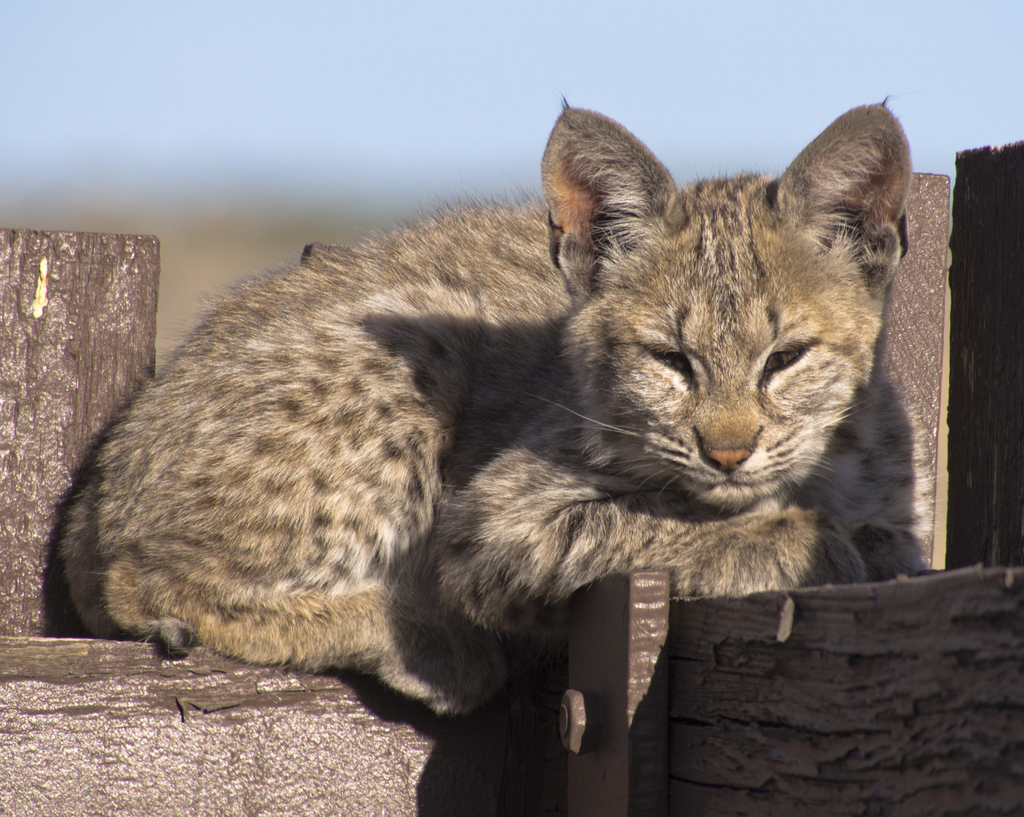
no rights reserved · CC0
Family: Felidae · Class: Mammalia · Order: Carnivora
Lynx rufus (Bobcat) is a California animal in the Felidae family.
The bobcat is a medium-sized wild cat native to North America, including California. Adults typically measure 65 to 105 centimeters (26 to 41 inches) in body length, with males averaging larger than females. Weight ranges from 6 to 18 kilograms (13 to 40 pounds), with considerable variation across geographic regions. The species is characterized by a reddish-brown to gray coat with variable black spotting, tufted ears, and a distinctive short "bobbed" tail measuring 11 to 19 centimeters (4 to 7 inches) with a white underside and black tip. The facial ruff features prominent sideburns, and the legs are proportionally long with large paws adapted for varied terrain. Bobcats occur throughout California, from sea level to elevations exceeding 3,000 meters (9,800 feet) in the Sierra Nevada. Their distribution spans all 58 counties, making them one of the state's most widespread carnivores. Historically, populations were reduced in some agricultural areas due to habitat conversion and persecution, but the species has demonstrated significant adaptability to human-modified landscapes. Current range includes desert regions, coastal areas, mountain forests, and suburban interfaces. Habitat requirements are diverse, encompassing chaparral, oak woodlands, coniferous forests, riparian corridors, desert scrub, and grasslands. Bobcats prefer areas with dense cover for denning and stalking prey, including rock outcrops, brush piles, hollow logs, and thick vegetation. Home range sizes vary considerably based on prey density and habitat quality, typically ranging from 1 to 40 square kilometers (0.4 to 15 square miles), with males maintaining larger territories than females. Bobcats are solitary, primarily crepuscular and nocturnal predators with exceptional hunting abilities. Their diet consists mainly of rabbits and rodents, but includes birds, reptiles, and occasionally deer fawns. Prey selection varies seasonally and geographically based on availability. Breeding occurs from February through March, following a 62-day gestation period. Females produce litters of 1 to 6 kittens, typically 2 to 3, in secluded dens. Kittens remain with mothers for 9 to 12 months, learning essential hunting skills before dispersing. The bobcat is not federally listed and maintains stable populations throughout most of California as of December 2025. The California Department of Fish and Wildlife classifies the species as a furbearer and game mammal, with regulated hunting and trapping seasons in designated areas. Primary threats include habitat fragmentation, vehicle strikes, rodenticide poisoning from pest control, and conflict with livestock operations. Urban expansion continues to create challenges through habitat loss and increased human-wildlife interactions. However, the species' adaptability and generalist feeding habits have enabled persistence across diverse California ecosystems. Recent studies indicate stable to increasing populations in many regions, though local declines may occur in heavily developed areas. Conservation efforts focus on maintaining habitat connectivity, reducing secondary poisoning risks, and managing human-wildlife conflicts through education and non-lethal deterrent methods.
Classification
Class: Mammalia · Order: Carnivora · Family: Felidae
Frequently asked questions
How is Lynx rufus classified?
Lynx rufus belongs to class Mammalia, order Carnivora, family Felidae.
What family does Lynx rufus belong to?
Lynx rufus is in the Felidae family.
What is Lynx rufus?
The bobcat is a medium-sized wild cat native to North America, including California.
Is Lynx rufus found in California?
Yes. Lynx rufus is recorded in California in The California Species Project's catalogue.
Related species
Other California species in the same genus, family, or bioregion.
Data from The California Species Project — 14,000+ California species with verified data from CNPS, CDFW, USFWS, and more.