Lynx rufus pallescens
Pallid Bobcat
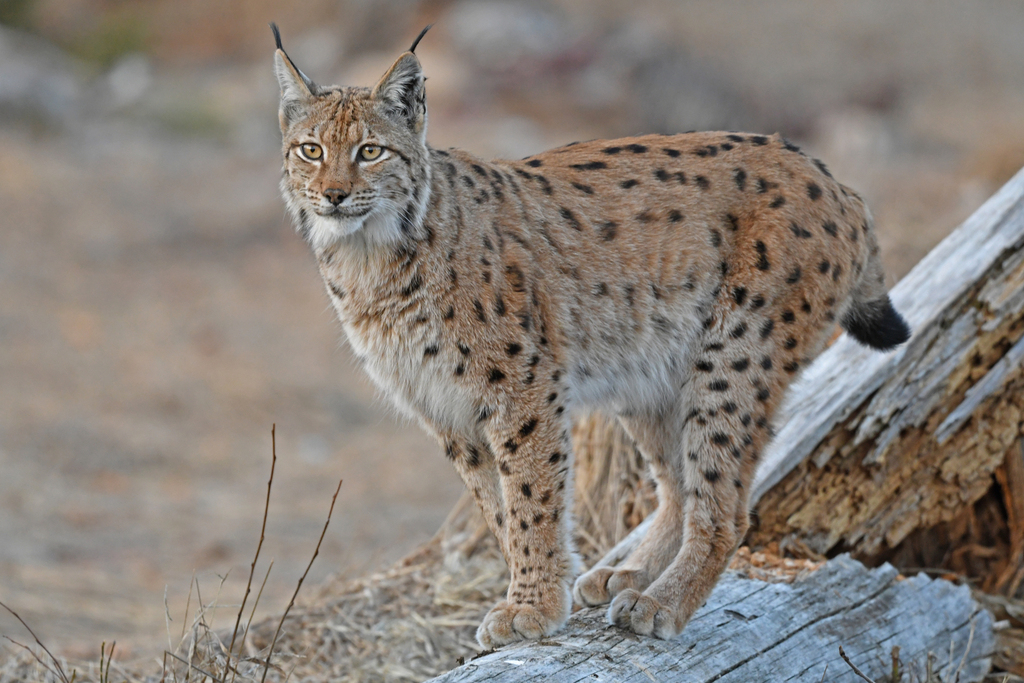
(c) Julia Moning, some rights reserved (CC BY) · licence
Family: Felidae · Class: Mammalia · Order: Carnivora
Conservation status: G5T3? S3?
Lynx rufus pallescens (Pallid Bobcat) is a California animal in the Felidae family.
The pallid bobcat (Lynx rufus pallescens) is a subspecies of bobcat recognized in taxonomic literature, though scientific documentation specific to this subspecies remains extremely limited in publicly available sources. The subspecies designation suggests morphological or genetic distinctions from the nominate bobcat subspecies, likely related to pelage coloration as indicated by the 'pallescens' designation, which typically refers to pale coloration patterns. The global rank of G5T3? and state rank of S3? indicate uncertainty in the conservation status assessment, with the question marks reflecting the limited data available for this taxonomic unit. The 'T3' ranking suggests the subspecies may be vulnerable at the subspecies level, while the parent species (bobcat) remains secure globally. As a subspecies of bobcat, this taxon would be expected to share the general ecological characteristics of bobcats, including habitat use in diverse ecosystems ranging from forests and chaparral to desert regions, depending on the specific geographic range of this subspecies. Bobcats typically measure 65 to 105 centimeters (26 to 41 inches) in body length with a distinctive short 'bobbed' tail of 9 to 20 centimeters (3.5 to 8 inches). Adult weight ranges from 4 to 18 kilograms (9 to 40 pounds), with males typically larger than females. The species exhibits variable pelage patterns across its range, from grayish-brown to reddish-brown with dark spots or bars. Diet consists primarily of rabbits, rodents, birds, and occasionally larger prey such as deer. Bobcats are solitary, territorial carnivores with home ranges that vary considerably based on prey density and habitat quality. Breeding typically occurs in late winter to early spring, with females producing litters of 1 to 6 kittens after a gestation period of approximately 60 to 70 days. Without subspecies-specific research, the precise distribution, habitat preferences, and conservation needs of the pallid bobcat remain poorly understood. The uncertain ranking suggests this subspecies may warrant focused taxonomic and ecological research to clarify its status and conservation requirements. Current bobcat populations are generally stable across most of their range, though some subspecies face localized pressures from habitat loss and fragmentation.
Classification
Class: Mammalia · Order: Carnivora · Family: Felidae
Conservation status
G5T3? S3?
Frequently asked questions
How is Lynx rufus pallescens classified?
Lynx rufus pallescens belongs to class Mammalia, order Carnivora, family Felidae.
What family does Lynx rufus pallescens belong to?
Lynx rufus pallescens is in the Felidae family.
Is Lynx rufus pallescens protected or of conservation concern?
Lynx rufus pallescens carries the following status: G5T3? S3?.
What is Lynx rufus pallescens?
The pallid bobcat (Lynx rufus pallescens) is a subspecies of bobcat recognized in taxonomic literature, though scientific documentation specific to this subspecies remains extremely limited in publicly available sources.
Is Lynx rufus pallescens found in California?
Yes. Lynx rufus pallescens is recorded in California in The California Species Project's catalogue.
Related species
Other California species in the same genus, family, or bioregion.
Data from The California Species Project — 14,000+ California species with verified data from CNPS, CDFW, USFWS, and more.