Lytta molesta
Molestan Blister Beetle
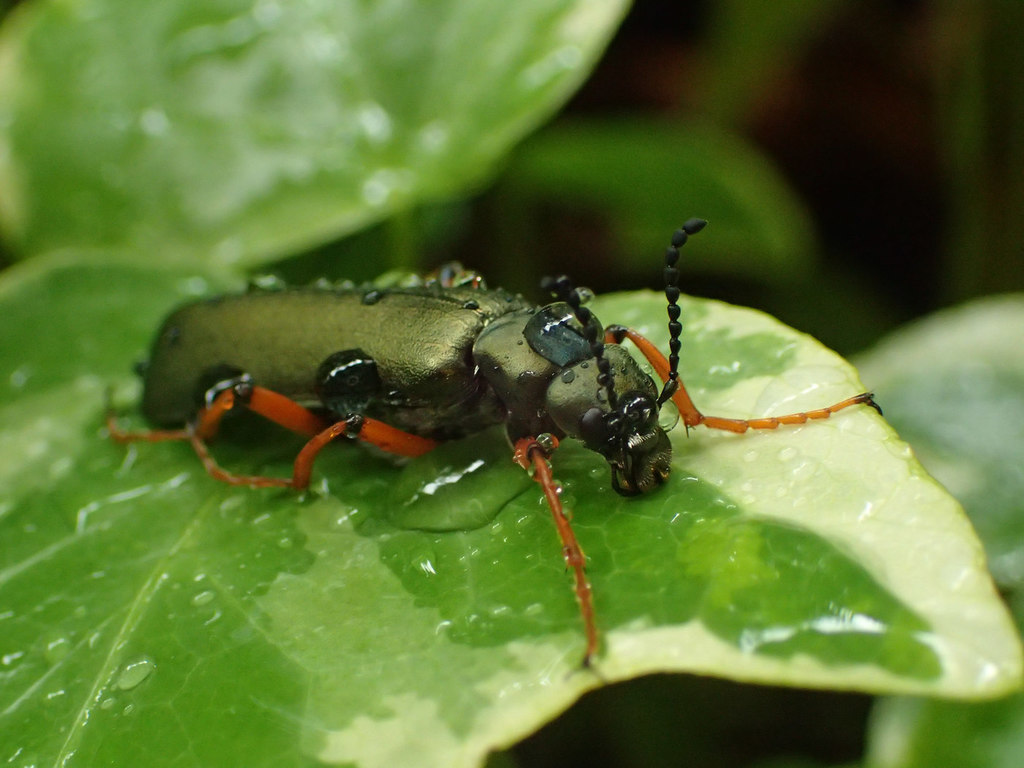
(c) Evan M. Raskin, some rights reserved (CC BY) · licence
Family: Meloidae · Class: Insecta · Order: Coleoptera
Conservation status: G2 S2
Lytta molesta (Molestan Blister Beetle) is a California animal in the Meloidae family.
The Molestan blister beetle is a member of the family Meloidae, a group of beetles known for producing cantharidin, a toxic defensive compound. Like other blister beetles, this species likely exhibits moderate body size with elongated form typical of the genus Lytta, though specific morphological descriptions are not well documented in the scientific literature. The Molestan blister beetle is endemic to California, with its range restricted to the Central Valley from Contra Costa County south to Kern and Tulare counties (NatureServe Explorer). This limited distribution encompasses portions of the Great Central Valley ecosystem, representing one of the most geographically restricted blister beetle species in North America. The species inhabits grasslands of the Central Valley and foothills of the Sierra Nevada (NatureServe Explorer). These habitats are characterized by annual grasslands, valley floor ecosystems, and transitional zones between valley and foothill environments. The Central Valley's Mediterranean climate features hot, dry summers and mild, wet winters, creating seasonal patterns that likely influence the beetle's life cycle and activity periods. Specific behavioral and ecological information for Lytta molesta remains poorly documented. Like other Lytta species, adults likely feed on flowering plants and may be associated with particular host plant species during reproductive periods. The genus Lytta typically exhibits seasonal emergence patterns coordinated with host plant phenology. Larvae are presumed to develop as hypermetamorphic parasitoids, a characteristic life history strategy among blister beetles where early larval stages actively seek out and parasitize bee nests or grasshopper egg masses. The Molestan blister beetle currently holds a Global rank of G2 (imperiled globally) and State rank of S2 (imperiled in California), indicating significant conservation concern due to rarity and threats. The species appears on the U.S. Fish and Wildlife Service's candidate species list, having been identified as warranting protection under the Endangered Species Act but precluded by higher priority actions (USFWS Species Profile). The restricted range within California's Central Valley exposes the species to ongoing habitat conversion, agricultural intensification, and urban development pressures that have dramatically altered the region's native ecosystems. Primary conservation challenges include habitat loss and fragmentation from agricultural conversion and urban expansion throughout the Central Valley. The species' apparent dependence on native grassland communities makes it vulnerable to invasive plant species and altered fire regimes. Climate change may further stress populations through shifting precipitation patterns and increased temperature extremes in an already water-limited environment. Scientific documentation for this species remains limited, with basic ecological requirements and population status requiring further research. The information presented here is based on available sources including NatureServe Explorer and USFWS databases. Conservation planning would benefit from targeted surveys to better understand population distribution, habitat requirements, and ecological relationships within Central Valley ecosystems.
Classification
Class: Insecta · Order: Coleoptera · Family: Meloidae
Conservation status
G2 S2
Frequently asked questions
How is Lytta molesta classified?
Lytta molesta belongs to class Insecta, order Coleoptera, family Meloidae.
What family does Lytta molesta belong to?
Lytta molesta is in the Meloidae family.
Is Lytta molesta protected or of conservation concern?
Lytta molesta carries the following status: G2 S2.
What is Lytta molesta?
The Molestan blister beetle is a member of the family Meloidae, a group of beetles known for producing cantharidin, a toxic defensive compound.
Is Lytta molesta found in California?
Yes. Lytta molesta is recorded in California in The California Species Project's catalogue.
Related species
Other California species in the same genus, family, or bioregion.
Data from The California Species Project — 14,000+ California species with verified data from CNPS, CDFW, USFWS, and more.