Macromia magnifica
Western River Cruiser
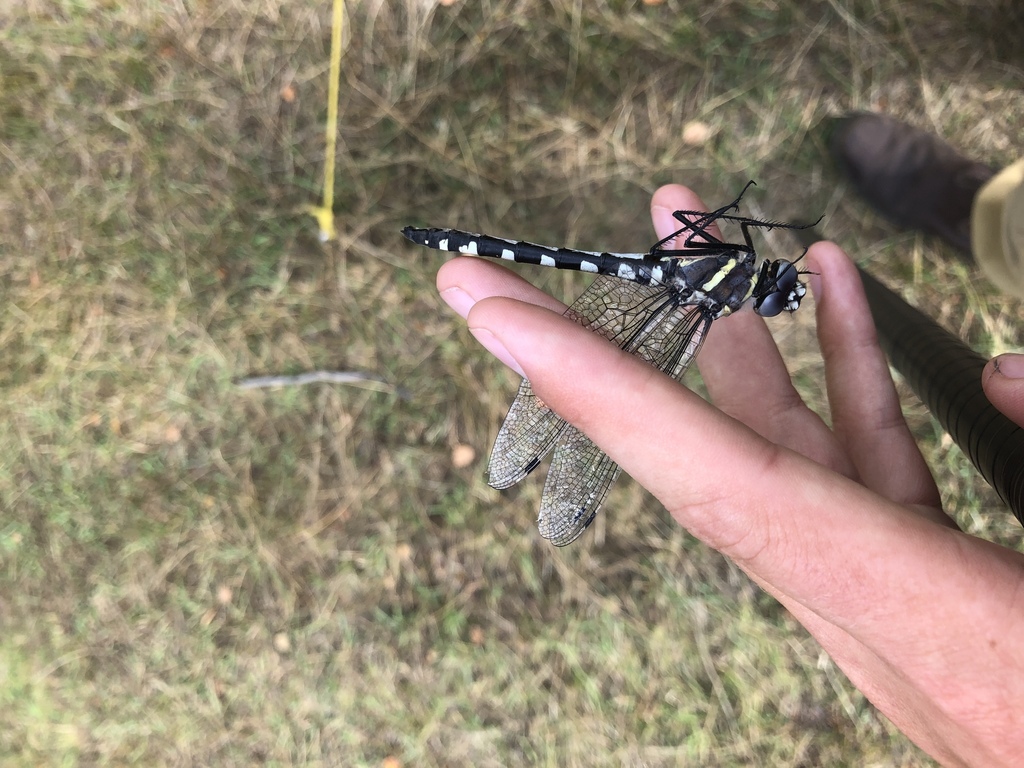
(c) Nathan Earley, some rights reserved (CC BY) · licence
Family: Macromiidae · Class: Insecta · Order: Odonata
Macromia magnifica (Western River Cruiser) is a California animal in the Macromiidae family.
The Western River Cruiser (Macromia magnifica) is a large dragonfly species belonging to the family Macromiidae, subfamily Macromiinae. As a member of the river cruiser group, this species likely exhibits the typical robust body structure and powerful flight capabilities characteristic of Macromia dragonflies, though specific morphological details for this species have not been well documented in available literature. The Western River Cruiser occurs in western North America, though its precise distribution range requires further documentation. Based on its common name and taxonomic placement within the Macromia genus, this species is associated with riverine environments in western states, but specific locality records and county-level distribution data are not readily available in current databases. Like other members of the Macromia genus, the Western River Cruiser likely inhabits areas near flowing water systems, particularly rivers and large streams. River cruisers typically prefer clear, well-oxygenated water with moderate to swift current flow. Adults are often observed patrolling territories along river corridors, while larvae develop in the aquatic environment among rocks and debris in flowing water. Specific elevation ranges and microhabitat preferences for this species have not been thoroughly documented. Adult Western River Cruisers likely exhibit the typical behavior patterns of river cruisers, including territorial patrolling flights along waterways and aerial hunting for flying insects. Males typically establish and defend territories over suitable stretches of river habitat during the breeding season. Females likely deposit eggs in flowing water, either by dipping the abdomen into the water surface or inserting eggs into submerged substrates. Larval development probably occurs over multiple years in the aquatic environment, as is typical for large dragonfly species. Specific details regarding flight period, prey preferences, and reproductive timing have not been well documented for this species. The conservation status of the Western River Cruiser appears to be unassessed at federal and state levels, as no listing status information was found in current databases. The U.S. Fish and Wildlife Service maintains a species profile for Macromia magnifica, indicating some level of agency awareness, though the species does not appear on current federal candidate or listing workplans. Without comprehensive population data or threat assessments, the conservation needs of this species remain unclear. River-dependent dragonfly species can be vulnerable to habitat alteration through water diversions, pollution, and riparian habitat degradation. Detailed ecological studies of this species are lacking. The above information synthesizes limited available data from taxonomic databases and inferences based on related Macromia species. Additional field research is needed to document the distribution, habitat requirements, life history, and conservation status of the Western River Cruiser. Verified observations and scientific data would significantly enhance understanding of this western dragonfly species.
Classification
Class: Insecta · Order: Odonata · Family: Macromiidae
Frequently asked questions
How is Macromia magnifica classified?
Macromia magnifica belongs to class Insecta, order Odonata, family Macromiidae.
What family does Macromia magnifica belong to?
Macromia magnifica is in the Macromiidae family.
What is Macromia magnifica?
The Western River Cruiser (Macromia magnifica) is a large dragonfly species belonging to the family Macromiidae, subfamily Macromiinae.
Is Macromia magnifica found in California?
Yes. Macromia magnifica is recorded in California in The California Species Project's catalogue.
More California species
This species has no close relatives in our California data — here are other species to explore.
Data from The California Species Project — 14,000+ California species with verified data from CNPS, CDFW, USFWS, and more.