Macrosiagon cruenta
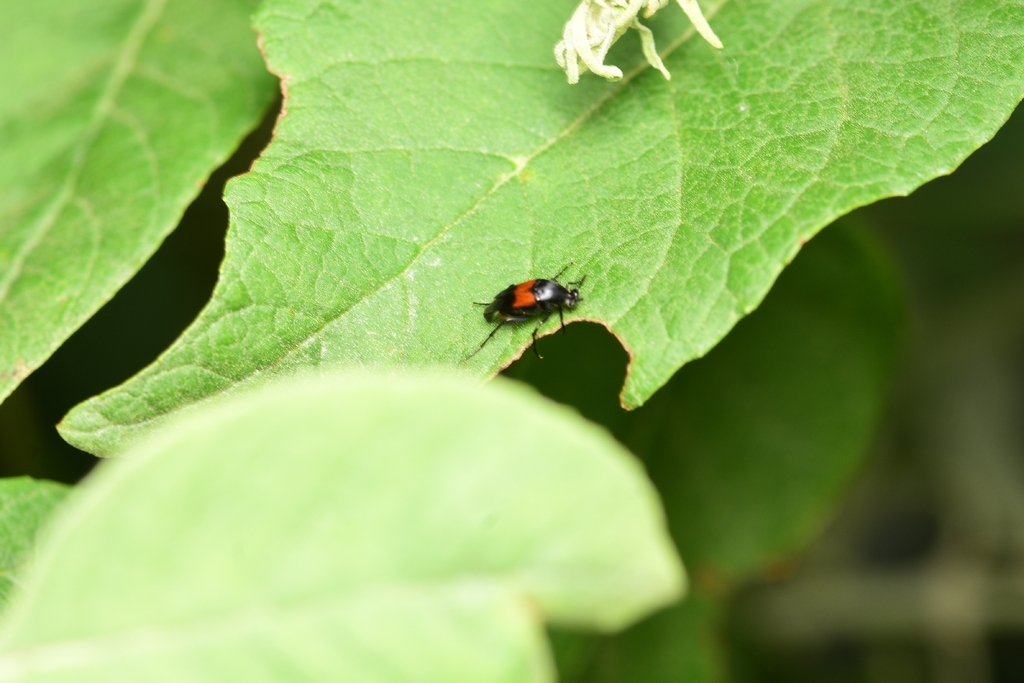
no rights reserved · CC0
Family: Ripiphoridae · Class: Insecta · Order: Coleoptera
Macrosiagon cruenta is a California animal in the Ripiphoridae family.
Macrosiagon cruenta is a beetle in the family Ripiphoridae, a group of wedge-shaped beetles known for their parasitic larval stage. Adult beetles of this family are characterized by their distinctive wedge-shaped body profile and relatively short elytra that do not completely cover the abdomen. Members of the genus Macrosiagon typically measure 8-15 mm in length and display metallic coloration, though specific morphological details for M. cruenta have not been well documented in readily available scientific literature. The distribution of Macrosiagon cruenta within California remains poorly documented. Ripiphoridae beetles are generally uncommon and often overlooked due to their cryptic nature and brief adult activity periods. The family occurs across North America, with various species adapted to different regional climates and host associations. California's diverse ecosystems likely support multiple ripiphorid species, though comprehensive surveys are lacking for many areas of the state. Habitat preferences for M. cruenta are not well established in current literature. Ripiphoridae beetles typically inhabit areas where their host insects occur, as the parasitic larvae depend entirely on specific host species for development. Adults are often found on flowers where they feed on nectar and pollen, particularly favoring composite flowers and other abundant nectar sources. The association with flowering plants serves both nutritional needs and reproductive purposes, as females seek suitable locations to deposit eggs near potential host insects. The life cycle of Macrosiagon cruenta follows the typical ripiphorid pattern of hypermetamorphosis, involving multiple distinct larval stages. Females deposit eggs on flowers or vegetation where potential host insects forage. The active first-instar larvae, called triungulins, attach to passing host insects, typically aculeate Hymenoptera such as bees or wasps. Once attached, the larvae penetrate the host's body and develop as internal parasites, ultimately killing the host during their development. This parasitic lifestyle makes ripiphorid beetles ecologically important as natural biological control agents, though their specific impact on host populations is rarely quantified. Adult beetles are typically active for brief periods during warm months, with activity patterns varying by species and geographic location. Mating occurs on flowers, and the short adult lifespan focuses primarily on reproduction. The timing of emergence is often synchronized with the activity periods of their host insects, creating narrow windows for successful reproduction. Conservation status information for Macrosiagon cruenta is not available from federal or state wildlife agencies. Like many small, specialized insects, this species likely faces threats from habitat loss, pesticide use, and declining populations of host insects. The cryptic nature of ripiphorid beetles makes population monitoring challenging, and many species may experience declines without detection. Climate change may affect the synchronization between beetle emergence and host activity, potentially disrupting reproductive success. Research is needed to better understand the distribution, ecology, and conservation needs of this and other ripiphorid species in California.
Classification
Class: Insecta · Order: Coleoptera · Family: Ripiphoridae
Frequently asked questions
How is Macrosiagon cruenta classified?
Macrosiagon cruenta belongs to class Insecta, order Coleoptera, family Ripiphoridae.
What family does Macrosiagon cruenta belong to?
Macrosiagon cruenta is in the Ripiphoridae family.
What is Macrosiagon cruenta?
Macrosiagon cruenta is a beetle in the family Ripiphoridae, a group of wedge-shaped beetles known for their parasitic larval stage.
Is Macrosiagon cruenta found in California?
Yes. Macrosiagon cruenta is recorded in California in The California Species Project's catalogue.
More California species
This species has no close relatives in our California data — here are other species to explore.
Data from The California Species Project — 14,000+ California species with verified data from CNPS, CDFW, USFWS, and more.