Malacosoma incurva
Southwestern Tent Caterpillar Moth
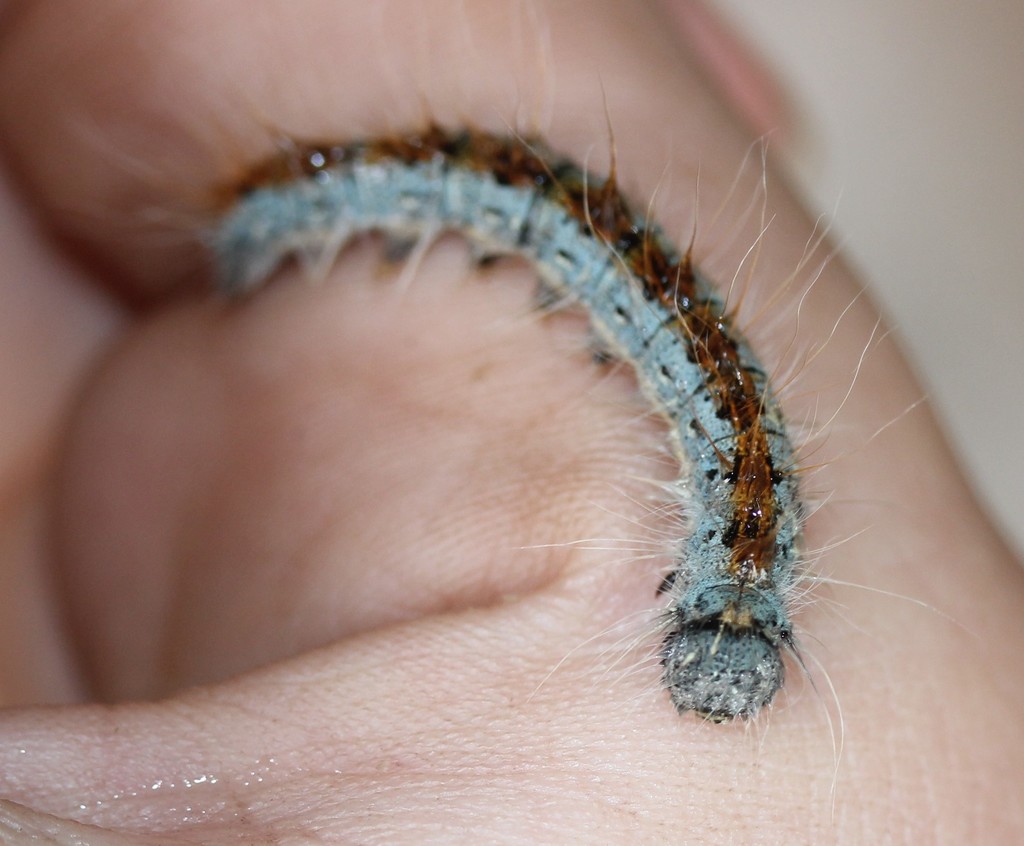
(c) Even Dankowicz, some rights reserved (CC BY) · licence
Family: Lasiocampidae · Class: Insecta · Order: Lepidoptera
Malacosoma incurva (Southwestern Tent Caterpillar Moth) is a California animal in the Lasiocampidae family.
The Southwestern Tent Caterpillar Moth (Malacosoma incurva) is a member of the tent caterpillar moth family Lasiocampidae. This species belongs to a genus known for larvae that construct silk tents or mats on host plants, though specific morphological details for M. incurva remain poorly documented in the scientific literature. The species occurs in the southwestern United States, with its range extending into California. As suggested by its common name, this moth is adapted to southwestern environmental conditions, distinguishing it from other Malacosoma species that occupy different geographic ranges across North America. The exact distribution within California and specific county records have not been well documented in available sources. Habitat requirements for M. incurva are not well characterized in the current literature. Other Malacosoma species typically inhabit areas where their larval host plants are abundant, ranging from riparian zones to upland areas depending on the specific host plant associations. Elevation preferences and specific microhabitat requirements for this species remain undocumented. Like other tent caterpillar moths, M. incurva likely follows a similar life cycle pattern with adults emerging to mate and lay eggs, followed by larval development on host plants. The larvae of related species are known to be gregarious, feeding in groups and constructing silk shelters. However, specific details about host plant relationships, timing of adult flight periods, overwintering stages, and reproductive behavior for M incurva have not been documented in accessible scientific literature. The feeding habits of the larvae and adult activity patterns remain unknown. This species does not appear on federal or state endangered species lists, suggesting it is not currently considered at risk of extinction. However, the lack of recent scientific attention and limited documentation may indicate that population trends and conservation needs are simply unknown rather than secure. Many lepidopteran species in the southwestern United States face habitat pressures from urban development, altered fire regimes, and climate change impacts, though specific threats to M. incurva have not been assessed. Scientific documentation for this species remains extremely limited. The information presented here represents the available knowledge based on taxonomic databases and lepidopteran surveys. Detailed ecological studies, host plant documentation, and population assessments are needed to better understand this species' biology and conservation status. We welcome contributions of verified scientific data, photographs, or field observations to enhance this species account.
Classification
Class: Insecta · Order: Lepidoptera · Family: Lasiocampidae
Frequently asked questions
How is Malacosoma incurva classified?
Malacosoma incurva belongs to class Insecta, order Lepidoptera, family Lasiocampidae.
What family does Malacosoma incurva belong to?
Malacosoma incurva is in the Lasiocampidae family.
What is Malacosoma incurva?
The Southwestern Tent Caterpillar Moth (Malacosoma incurva) is a member of the tent caterpillar moth family Lasiocampidae.
Is Malacosoma incurva found in California?
Yes. Malacosoma incurva is recorded in California in The California Species Project's catalogue.
Related species
Other California species in the same genus, family, or bioregion.
Data from The California Species Project — 14,000+ California species with verified data from CNPS, CDFW, USFWS, and more.