Melanolophia imitata
Western Carpet
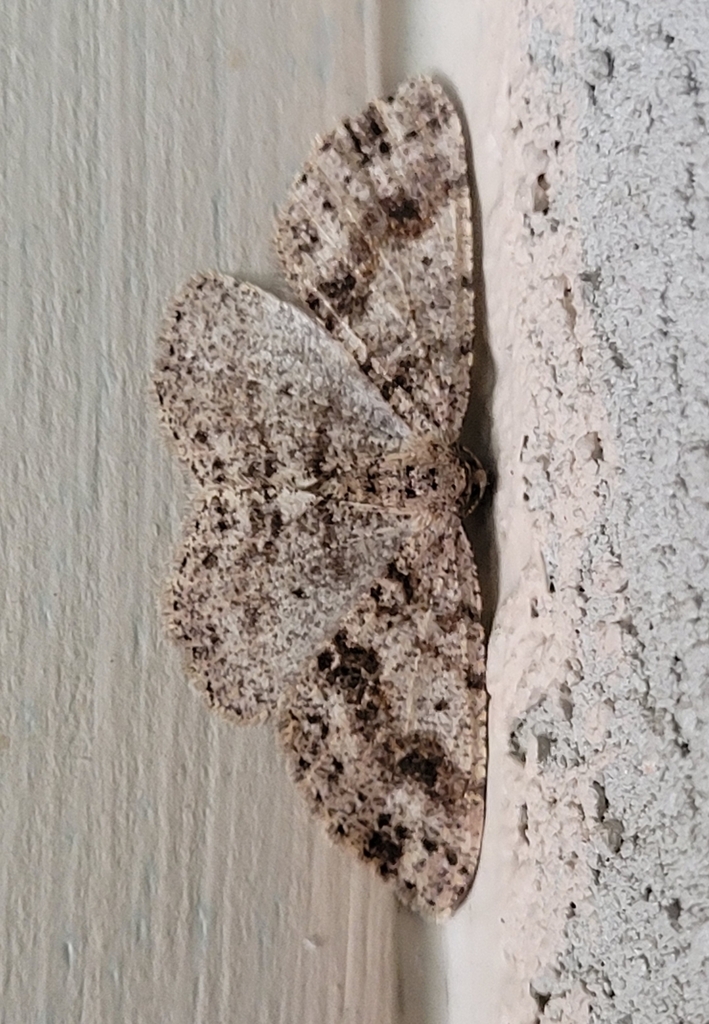
(c) Kevin Krebs, some rights reserved (CC BY) · licence
Family: Geometridae · Class: Insecta · Order: Lepidoptera
Melanolophia imitata (Western Carpet) is a California animal in the Geometridae family.
The Western Carpet (Melanolophia imitata) is a geometrid moth in the family Geometridae, commonly known as inchworm moths or loopers. This species belongs to a large family of moths characterized by their larvae's distinctive locomotion pattern of arching their bodies while moving. Adult Western Carpet moths typically display the muted earth-tone coloration common to many geometrids, with forewings that exhibit intricate patterns of lines and bands that provide effective camouflage against tree bark and lichen-covered surfaces. The Western Carpet occurs primarily in western North America, with documented populations throughout much of California. The species' distribution extends along the Pacific Coast and into adjacent inland regions, though specific county-level occurrence data requires further documentation. Historical records suggest the species has maintained stable populations across its range, though comprehensive surveys are limited. This species inhabits a variety of forested and woodland environments typical of California's diverse ecosystems. Western Carpet moths are associated with mixed coniferous and deciduous forests, oak woodlands, and chaparral communities. Adults are typically found at elevations ranging from sea level to moderate montane zones, though the full elevational range requires additional study. The species appears to favor areas with diverse plant communities that support both larval host plants and adult nectar sources. Like other geometrid moths, the Western Carpet exhibits a complete metamorphosis life cycle. Adults are primarily nocturnal and are attracted to artificial light sources, making them observable during nighttime surveys. The flight period varies by elevation and local climate conditions, but adults are generally active during warmer months when temperatures support reproductive activities. Larvae, known as inchworms or loopers, move in the characteristic arching motion that gives the family its common name. The caterpillars are typically cryptically colored to blend with their host plant substrates. Mating occurs during the adult flight period, with females laying eggs on or near suitable host plants. Larval development involves several instars before pupation, which may occur in soil or leaf litter depending on species-specific behaviors. Adult Western Carpet moths likely feed on flower nectar and other sugar sources, while larvae are herbivorous and feed on various plant species, though specific host plant relationships for this species require further documentation. The Western Carpet currently lacks formal conservation status designations at federal or state levels, suggesting populations are considered stable. However, like many native moth species, Western Carpet populations may face pressures from habitat modification, urbanization, and changes in forest management practices. Light pollution can disrupt natural behavioral patterns in nocturnal moths, potentially affecting reproduction and survival. Climate change may alter the timing of life cycle events and shift suitable habitat ranges. Maintaining diverse native plant communities and reducing artificial light impacts are important for supporting healthy moth populations throughout California's ecosystems.
Classification
Class: Insecta · Order: Lepidoptera · Family: Geometridae
Frequently asked questions
How is Melanolophia imitata classified?
Melanolophia imitata belongs to class Insecta, order Lepidoptera, family Geometridae.
What family does Melanolophia imitata belong to?
Melanolophia imitata is in the Geometridae family.
What is Melanolophia imitata?
The Western Carpet (Melanolophia imitata) is a geometrid moth in the family Geometridae, commonly known as inchworm moths or loopers.
Is Melanolophia imitata found in California?
Yes. Melanolophia imitata is recorded in California in The California Species Project's catalogue.
Related species
Other California species in the same genus, family, or bioregion.
Data from The California Species Project — 14,000+ California species with verified data from CNPS, CDFW, USFWS, and more.