Melecta separata
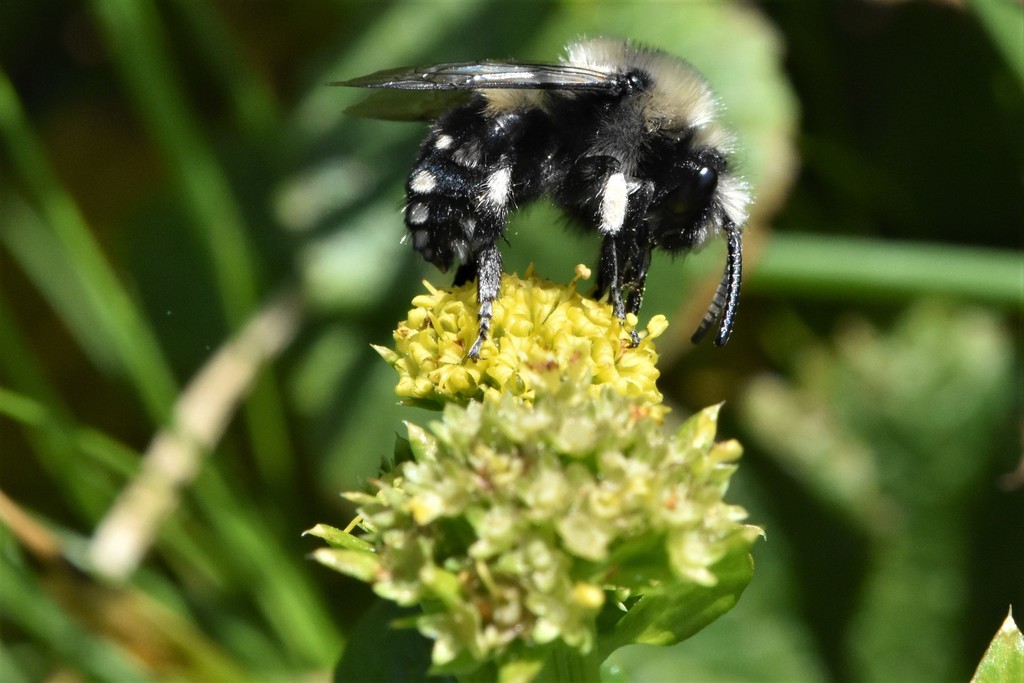
no rights reserved · CC0
Family: Apidae · Class: Insecta · Order: Hymenoptera
Melecta separata is a California animal in the Apidae family.
Melecta separata is a cuckoo bee in the family Apidae, subfamily Apinae, belonging to the tribe Melectini, commonly known as mourning bees. This species was first described by Cresson in 1879 and represents one of the parasitic bee species that do not collect pollen or construct their own nests. As a member of the genus Melecta, M. separata likely exhibits the typical robust build and distinctive coloration patterns characteristic of mourning bees. Adult females are generally larger than males and possess strong mandibles adapted for entering host nests. The body is typically dark-colored with contrasting light markings, though specific morphological details for this species have not been well documented in available literature. Melecta separata occurs in western North America, with documented records from multiple western states (BugGuide.Net). The species' distribution appears to coincide with the range of its presumed host species, as is typical for cuckoo bees. Specific records from California have not been comprehensively documented in accessible databases, though the western range designation suggests potential occurrence in the state. Habitat requirements for M. separata are closely tied to the nesting sites of its host species. Like other cuckoo bees, this species requires access to ground-nesting or cavity-nesting solitary bee populations. The specific microhabitat preferences, elevation ranges, and vegetation associations have not been thoroughly studied or documented in the scientific literature. As a cuckoo bee, M. separata exhibits brood parasitic behavior, with females seeking out active nests of host bee species to lay their eggs. The female enters the host nest and deposits an egg near the host's provision mass. Upon hatching, the Melecta larva typically destroys the host egg or larva and consumes the stored pollen and nectar provisions. According to BugGuide.Net, known host associations are documented on the species' Discover Life page based on specimen records and literature, though specific host relationships require further verification from authoritative sources. Adult activity periods and mating behaviors have not been well documented for this species. The conservation status of M. separata has not been formally assessed at federal or state levels. The species is not currently listed under the Endangered Species Act or by California state wildlife agencies (as of December 2025). Like many specialized parasitic bees, M. separata faces potential threats related to habitat loss, pesticide use, and decline of host bee populations. The species' dependence on specific host bees makes it particularly vulnerable to factors affecting solitary bee communities, including urban development, agricultural intensification, and climate change. Scientific documentation for this species remains limited despite its taxonomic recognition since 1879. Research gaps include detailed morphological descriptions, host specificity studies, population assessments, and comprehensive distribution mapping. Enhanced survey efforts and taxonomic research would improve understanding of this species' ecology and conservation needs within western North American bee communities.
Classification
Class: Insecta · Order: Hymenoptera · Family: Apidae
Frequently asked questions
How is Melecta separata classified?
Melecta separata belongs to class Insecta, order Hymenoptera, family Apidae.
What family does Melecta separata belong to?
Melecta separata is in the Apidae family.
What is Melecta separata?
Melecta separata is a cuckoo bee in the family Apidae, subfamily Apinae, belonging to the tribe Melectini, commonly known as mourning bees.
Is Melecta separata found in California?
Yes. Melecta separata is recorded in California in The California Species Project's catalogue.
Related species
Other California species in the same genus, family, or bioregion.
Data from The California Species Project — 14,000+ California species with verified data from CNPS, CDFW, USFWS, and more.