Melipotis acontioides
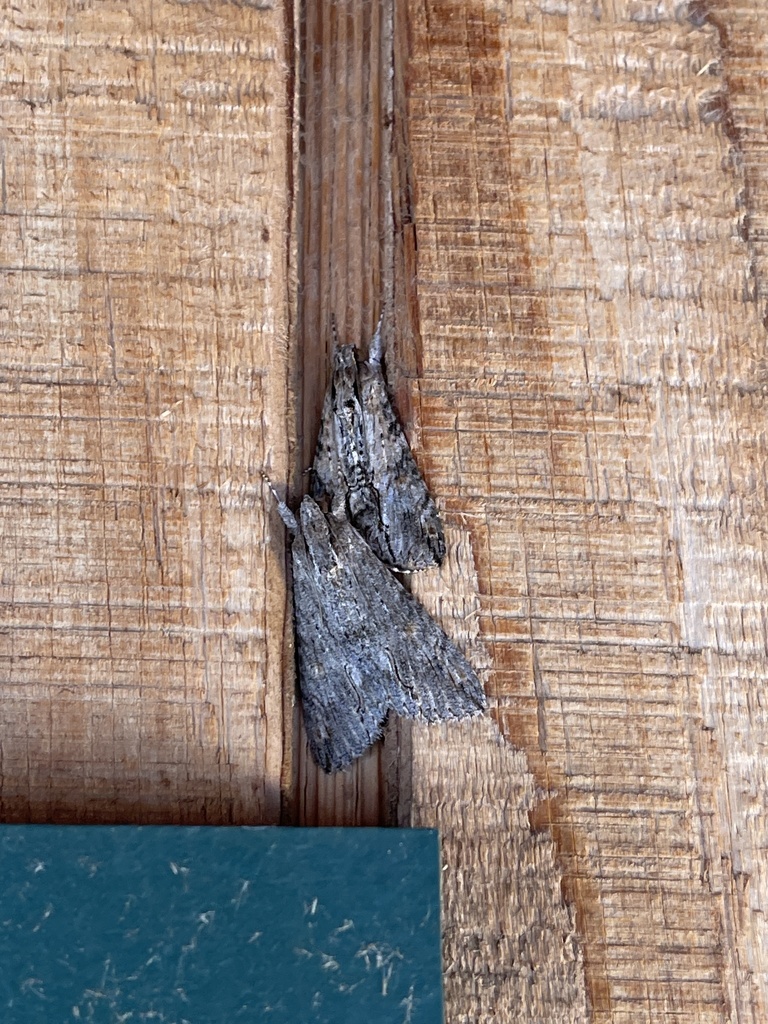
(c) CK2AZ, some rights reserved (CC BY) · licence
Family: Erebidae · Class: Insecta · Order: Lepidoptera
Melipotis acontioides is a California animal in the Erebidae family.
Melipotis acontioides is a moth species in the family Erebidae, subfamily Erebinae. This nocturnal lepidopteran belongs to a genus of medium-sized moths commonly known as underwing moths, though specific morphological details for this species are limited in the scientific literature. Like other members of the genus Melipotis, adults likely display cryptic forewings that provide camouflage when at rest, with the hindwings potentially showing contrasting colors or patterns that are revealed during flight. The current distribution of Melipotis acontioides appears to be poorly documented, with limited occurrence records in available databases. The species may occur in western North America, consistent with the range of related Melipotis species, though specific locality data for California populations requires verification. Historical collection records and recent surveys would be necessary to establish the precise range and current distribution status within the state. Habitat preferences for Melipotis acontioides remain largely undocumented in the available literature. Other members of the genus Melipotis typically inhabit arid and semi-arid environments, including desert scrub, chaparral, and oak woodland communities. The species likely requires specific host plants for larval development, though the larval food plants have not been definitively identified. Many Erebidae moths utilize woody shrubs or herbaceous plants as larval hosts, and adults are typically attracted to flowers for nectar feeding. The life cycle and behavioral ecology of Melipotis acontioides have not been thoroughly studied or documented. Adults of related species are generally nocturnal, becoming active after sunset and attracted to artificial lights. Mating and reproduction likely occur during specific seasonal windows, with females depositing eggs on or near suitable host plants. Larval development probably involves multiple instars feeding on foliage before pupating in soil or leaf litter. The number of generations per year and overwintering strategy remain unknown for this species. The conservation status of Melipotis acontioides is unclear due to limited survey data and taxonomic uncertainty. The species does not appear on federal or state endangered species lists, nor does it have a designated conservation rank from NatureServe or the International Union for Conservation of Nature. This absence from conservation lists may reflect either stable populations, insufficient survey effort, or potential taxonomic issues requiring resolution. The lack of recent collection records or ecological studies makes it difficult to assess population trends or identify specific threats. Climate change, habitat loss from urban development, and altered fire regimes could potentially impact populations if the species occurs in California's sensitive ecosystems. Comprehensive surveys and taxonomic verification would be necessary to determine the current status and conservation needs of this poorly known moth species.
Classification
Class: Insecta · Order: Lepidoptera · Family: Erebidae
Frequently asked questions
How is Melipotis acontioides classified?
Melipotis acontioides belongs to class Insecta, order Lepidoptera, family Erebidae.
What family does Melipotis acontioides belong to?
Melipotis acontioides is in the Erebidae family.
What is Melipotis acontioides?
Melipotis acontioides is a moth species in the family Erebidae, subfamily Erebinae.
Is Melipotis acontioides found in California?
Yes. Melipotis acontioides is recorded in California in The California Species Project's catalogue.
Related species
Other California species in the same genus, family, or bioregion.
Data from The California Species Project — 14,000+ California species with verified data from CNPS, CDFW, USFWS, and more.