Melipotis jucunda
Merry Melipotis
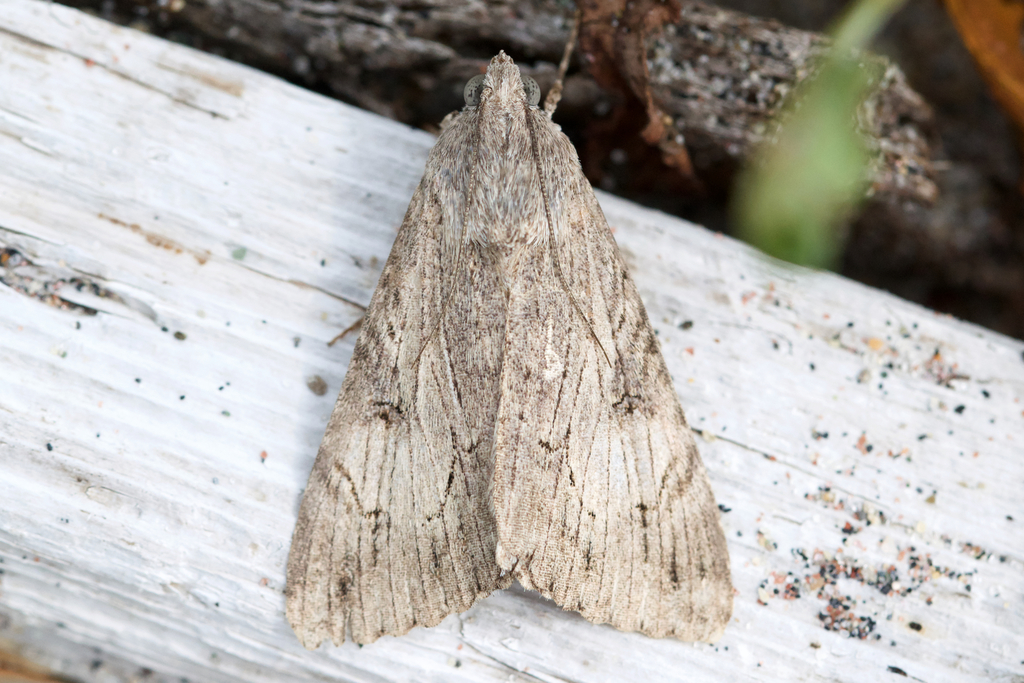
(c) Owen Strickland, some rights reserved (CC BY) · licence
Family: Erebidae · Class: Insecta · Order: Lepidoptera
Melipotis jucunda (Merry Melipotis) is a California animal in the Erebidae family.
Melipotis jucunda, commonly known as the Merry Melipotis, is a moth species in the family Erebidae. This nocturnal lepidopteran belongs to a genus of moths characterized by distinctive wing patterns and cryptic coloration that provides camouflage against tree bark and other natural surfaces during daylight hours. The Merry Melipotis displays the typical moth body structure with a robust thorax, thread-like antennae, and wings that fold horizontally when at rest. Like other members of the Erebidae family, the forewings are generally broader than the hindwings and feature intricate patterns of browns, grays, and earth tones. The specific wing pattern and coloration details that distinguish M. jucunda from related species require examination of museum specimens or detailed field photography for accurate identification. The species' range and distribution within California remain poorly documented in accessible databases. Members of the genus Melipotis are typically found across western North America, suggesting M. jucunda likely occurs in suitable habitat throughout portions of California. The specific counties, elevation ranges, and geographic boundaries of this species' California distribution require further investigation through specialized lepidopteran databases and regional surveys. Habitat preferences for Melipotis jucunda have not been well documented in readily available sources. Other Melipotis species typically inhabit areas with diverse vegetation that supports their larval host plants, often in woodland, chaparral, or mixed forest environments. Adult moths are generally attracted to lights and may be found near urban areas as well as in natural settings. The species likely occupies habitats that provide appropriate vegetation for larval development and nectar sources for adult feeding. As nocturnal insects, Merry Melipotis moths are most active during evening and nighttime hours. Adults likely feed on flower nectar and other sugar sources, using their proboscis to access nutrients. Mating and reproductive behaviors follow typical moth patterns, with females releasing pheromones to attract males. Larvae probably feed on specific plant species, though the host plants for M. jucunda have not been definitively documented. Development likely includes egg, multiple larval instars, pupal, and adult stages, with timing dependent on local climate conditions. The conservation status of Melipotis jucunda has not been formally assessed by federal or state agencies. The species lacks federal listing under the Endangered Species Act and does not appear on California's special status species lists as of December 2025. Without comprehensive population surveys or threat assessments, the species' conservation needs remain unclear. Like many native moths, M. jucunda may face challenges from habitat loss, light pollution, pesticide use, and climate change, though specific threats to this species have not been quantified. The limited available information highlights the need for additional research on California's native moth fauna.
Classification
Class: Insecta · Order: Lepidoptera · Family: Erebidae
Frequently asked questions
How is Melipotis jucunda classified?
Melipotis jucunda belongs to class Insecta, order Lepidoptera, family Erebidae.
What family does Melipotis jucunda belong to?
Melipotis jucunda is in the Erebidae family.
What is Melipotis jucunda?
Melipotis jucunda, commonly known as the Merry Melipotis, is a moth species in the family Erebidae.
Is Melipotis jucunda found in California?
Yes. Melipotis jucunda is recorded in California in The California Species Project's catalogue.
Related species
Other California species in the same genus, family, or bioregion.
Data from The California Species Project — 14,000+ California species with verified data from CNPS, CDFW, USFWS, and more.