Melospiza melodia samuelis
San Pablo Song Sparrow
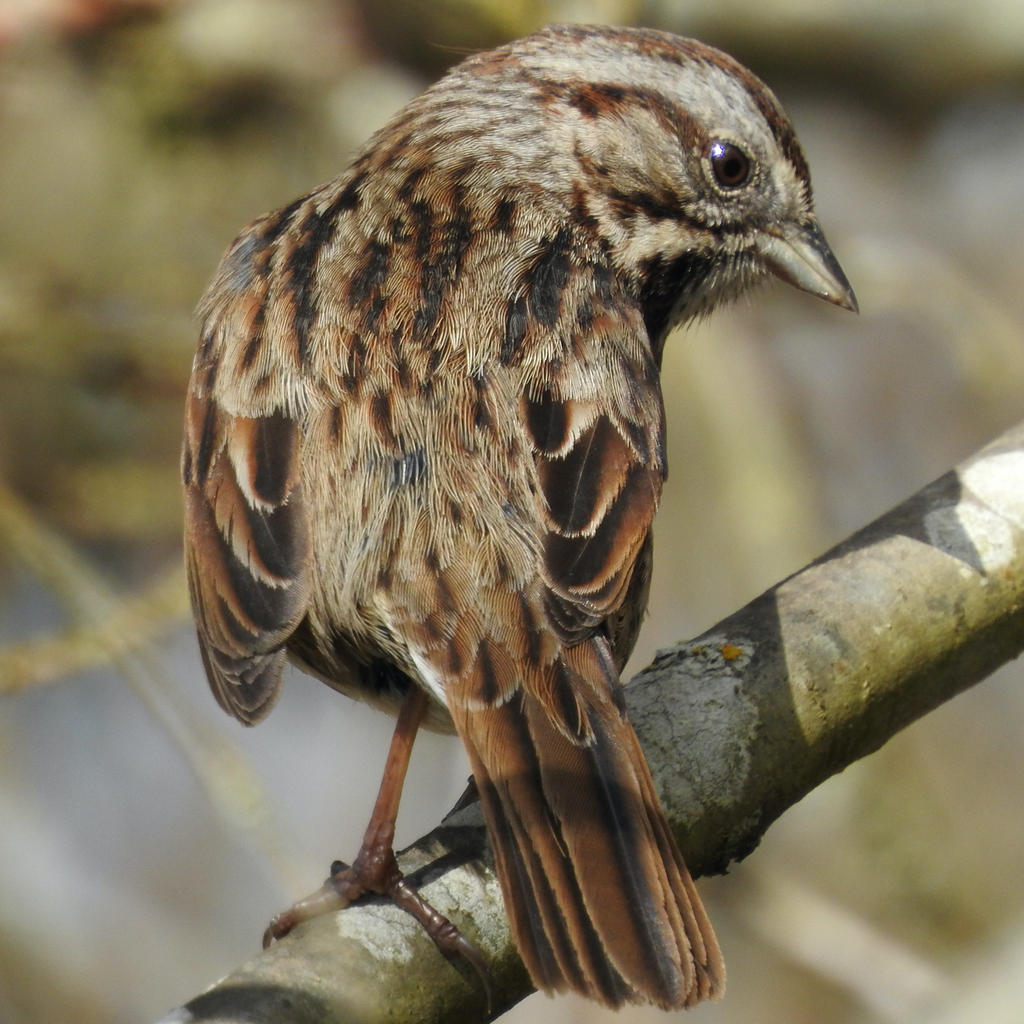
(c) Daniel Levitis, some rights reserved (CC BY) · licence
Family: Emberizidae · Class: Aves · Order: Passeriformes
Conservation status: G5T2 S2
Melospiza melodia samuelis (San Pablo Song Sparrow) is a California animal in the Emberizidae family.
The San Pablo Song Sparrow is a subspecies of the widespread Song Sparrow, endemic to the salt marshes around San Pablo Bay in northern California. Adults are medium-sized, fairly bulky songbirds with rounded heads, measuring approximately 13-17 cm (5.1-6.7 inches) in length. Like other Song Sparrow subspecies, they display streaky brown plumage with thick dark streaks on white chest and flanks. The head shows a distinctive pattern of warm red-brown and slaty-gray coloration. Their bill is short and stout, the tail long and rounded, and wings broad, adaptations typical of the species complex. The San Pablo Song Sparrow occurs exclusively in tidal salt marshes bordering San Pablo Bay in Sonoma, Solano, and Napa counties. This subspecies is one of three Song Sparrow subspecies endemic to the San Francisco Bay Estuary, alongside the Alameda Song Sparrow (M. m. pusillula) of south San Francisco Bay and the Suisun Song Sparrow (M. m. maxillaris) of Suisun Marsh (USFWS Recovery Plan for Tidal Marsh). The subspecies' range is geographically restricted to the northern portion of the San Francisco Bay system. This subspecies inhabits tidal salt marshes characterized by cordgrass (Spartina foliosa), pickleweed (Salicornia spp.), and other halophytic vegetation. The birds require dense emergent marsh vegetation for nesting and foraging, typically in areas with regular tidal influence. San Pablo Bay National Wildlife Refuge provides critical year-round habitat for this subspecies, protecting the tidal marsh ecosystems essential for its survival (USFWS San Pablo Bay NWR). The subspecies occupies both the marsh interior and transitional zones between tidal marsh and adjacent upland areas. San Pablo Song Sparrows are primarily insectivorous during the breeding season, feeding on small invertebrates found among marsh vegetation, including flies, beetles, and spiders. During non-breeding periods, their diet shifts to include seeds from marsh plants. Breeding typically occurs from March through August, with females constructing cup-shaped nests in dense vegetation above the high tide line. Nests are built low in pickleweed, cordgrass, or other marsh plants, usually 0.3-1 meter above ground level. Clutch size ranges from 3-5 eggs, with multiple broods possible during favorable conditions. The San Pablo Song Sparrow carries a global rank of G5T2, indicating the species as a whole is secure but this subspecies is imperiled. It receives a state rank of S2 in California, reflecting its vulnerable status. The subspecies is included on the U.S. Fish and Wildlife Service's Birds of Conservation Concern list due to habitat loss and population declines (USFWS Birds of Conservation Concern 2021). Primary threats include habitat destruction from urban development, sea level rise, invasive plant species, and pollution. The conversion and degradation of tidal marsh habitat throughout San Francisco Bay has significantly reduced available nesting and foraging areas. Conservation efforts focus on habitat protection and restoration within San Pablo Bay National Wildlife Refuge and other protected areas, with management targeting the maintenance of native marsh plant communities and appropriate tidal regimes essential for the subspecies' persistence.
Classification
Class: Aves · Order: Passeriformes · Family: Emberizidae
Conservation status
G5T2 S2
Frequently asked questions
How is Melospiza melodia samuelis classified?
Melospiza melodia samuelis belongs to class Aves, order Passeriformes, family Emberizidae.
What family does Melospiza melodia samuelis belong to?
Melospiza melodia samuelis is in the Emberizidae family.
Is Melospiza melodia samuelis protected or of conservation concern?
Melospiza melodia samuelis carries the following status: G5T2 S2.
What is Melospiza melodia samuelis?
The San Pablo Song Sparrow is a subspecies of the widespread Song Sparrow, endemic to the salt marshes around San Pablo Bay in northern California.
Is Melospiza melodia samuelis found in California?
Yes. Melospiza melodia samuelis is recorded in California in The California Species Project's catalogue.
Related species
Other California species in the same genus, family, or bioregion.
Data from The California Species Project — 14,000+ California species with verified data from CNPS, CDFW, USFWS, and more.