Menkeleon bellulus
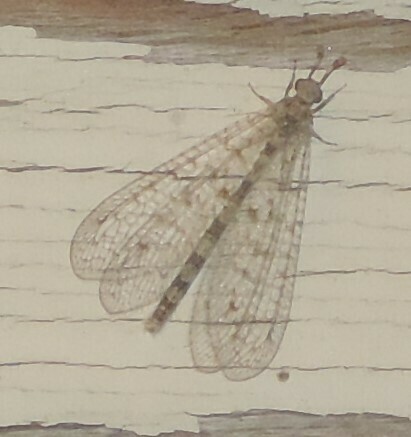
no rights reserved · CC0
Family: Myrmeleontidae · Class: Insecta · Order: Neuroptera
Menkeleon bellulus is a California animal in the Myrmeleontidae family.
Menkeleon bellulus is a species of antlion in the family Myrmeleontidae, subfamily Myrmeleontinae, belonging to the tribe Gnopholeontini. This neuropteran insect represents one of the lesser-documented members of California's diverse antlion fauna. Adult antlions in this family typically measure 25-40 mm in wingspan, with slender bodies and four membranous wings held roof-like over the abdomen when at rest. The wings are typically clear to lightly tinted with intricate venation patterns characteristic of the Myrmeleontidae. Adults possess clubbed antennae and large compound eyes adapted for their crepuscular and nocturnal activity patterns. The distribution and range of M. bellulus in California has not been comprehensively documented in the available literature. Based on USFWS taxonomic records, the species occurs within the United States, though specific county-level distribution data for California remains limited. Many antlion species in the southwestern United States show patchy distributions related to suitable habitat availability and climatic conditions. Habitat requirements for M. bellulus have not been well-studied, though related antlions in the Myrmeleontidae typically inhabit areas with sandy or loose soils suitable for larval pit construction. Desert and semi-arid environments often support diverse antlion communities, with species showing preferences for specific soil types, vegetation cover, and microclimate conditions. Adults are attracted to artificial lights and may be found near human settlements during their flight periods. The life cycle follows the typical antlion pattern of complete metamorphosis. Larvae, known as doodlebugs, construct conical pits in sandy soil to trap small arthropod prey, primarily ants. The larval stage may extend over multiple years depending on environmental conditions and prey availability. Pupation occurs in a silk cocoon covered with sand grains, constructed in the soil. Adults emerge during warmer months and are primarily active during evening and nighttime hours. Mating and oviposition behaviors have not been specifically documented for this species. M. bellulus currently holds no federal or state conservation listing status. The species lacks comprehensive population assessments or trend data, which is common among many invertebrate species in California. Like other antlions, potential threats may include habitat modification, urbanization, and changes in soil conditions that affect larval development sites. Climate change could impact the species through altered precipitation patterns and temperature regimes that influence soil moisture and prey availability. Detailed ecological studies of M. bellulus are lacking. The above information synthesizes available taxonomic records and general antlion biology. Additional research is needed to document specific habitat preferences, distribution patterns, and conservation needs for this species. Field surveys targeting appropriate habitats during adult flight periods would contribute valuable data for future species assessments.
Classification
Class: Insecta · Order: Neuroptera · Family: Myrmeleontidae
Frequently asked questions
How is Menkeleon bellulus classified?
Menkeleon bellulus belongs to class Insecta, order Neuroptera, family Myrmeleontidae.
What family does Menkeleon bellulus belong to?
Menkeleon bellulus is in the Myrmeleontidae family.
What is Menkeleon bellulus?
Menkeleon bellulus is a species of antlion in the family Myrmeleontidae, subfamily Myrmeleontinae, belonging to the tribe Gnopholeontini.
Is Menkeleon bellulus found in California?
Yes. Menkeleon bellulus is recorded in California in The California Species Project's catalogue.
Related species
Other California species in the same genus, family, or bioregion.
Data from The California Species Project — 14,000+ California species with verified data from CNPS, CDFW, USFWS, and more.