Micrarionta opuntia
Pricklypear Islandsnail
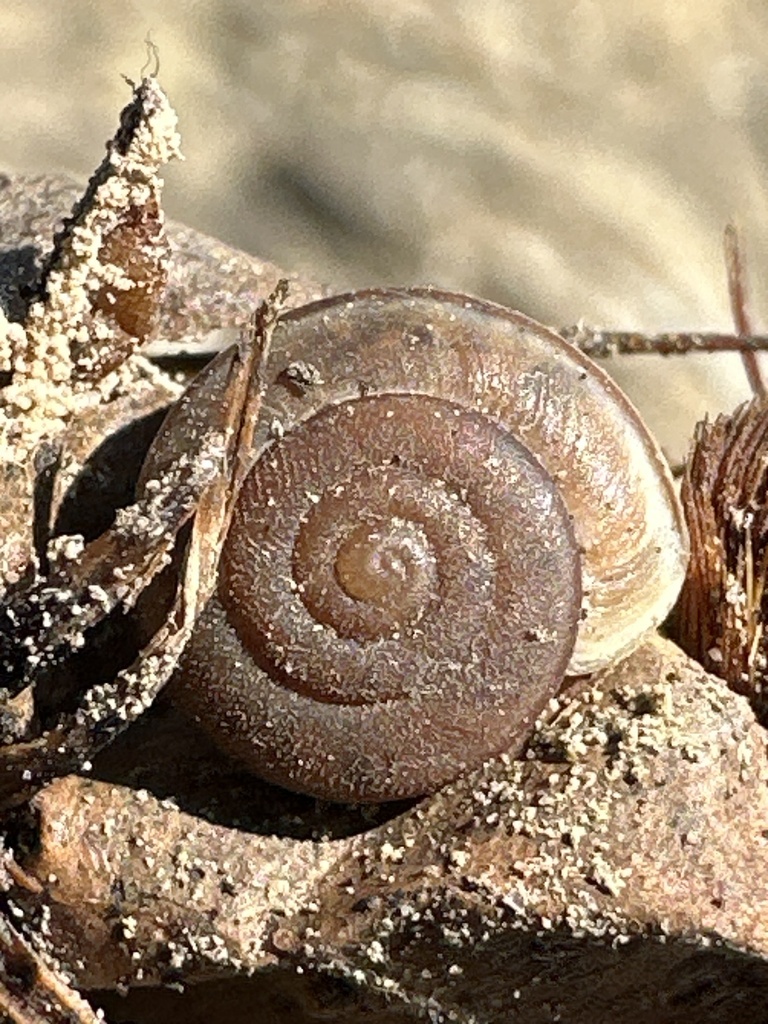
(c) william_hoyer, some rights reserved (CC BY) · licence
Family: Xanthonychidae · Class: Gastropoda · Order: Stylommatophora
Conservation status: G1 S1
Micrarionta opuntia (Pricklypear Islandsnail) is a California animal in the Xanthonychidae family.
The Pricklypear Islandsnail is a terrestrial gastropod mollusk endemic to the California Channel Islands. This small land snail belongs to the family Xanthonychidae and represents one of the endemic islandsnail species found in California's offshore island ecosystems. Physical characteristics specific to this species have not been extensively documented in the scientific literature, though related Micrarionta species typically measure 10-25 mm in shell diameter with distinctive spiral whorl patterns. The species occurs exclusively on San Nicolas Island, located approximately 97 kilometers southwest of Los Angeles in the Pacific Ocean. San Nicolas Island is the most remote of the California Channel Islands, positioned furthest from the mainland coast. According to the U.S. Fish and Wildlife Service, this species is known only from California, with its entire global range restricted to this single island location. The species' common name reflects its association with pricklypear cactus habitat on the island. Pricklypear Islandsnail habitat consists of areas dominated by or associated with pricklypear cactus (Opuntia species) vegetation communities. San Nicolas Island supports maritime desert scrub and grassland communities, with pricklypear cactus forming a significant component of the island's flora. The species likely inhabits the soil and leaf litter beneath and around these cacti, utilizing the shelter and microclimate provided by the spiny vegetation. The island's Mediterranean climate, characterized by mild, wet winters and dry summers, creates the environmental conditions supporting this specialized snail community. Like other terrestrial gastropods, the Pricklypear Islandsnail likely feeds on decomposing plant material, fungi, and microorganisms found in soil and leaf litter. Reproductive biology and seasonal activity patterns have not been well documented for this species. Most land snails are hermaphroditic and lay eggs in protected locations within the soil or under vegetation. The species' ecology is presumably adapted to the island's seasonal moisture patterns, with peak activity likely occurring during cooler, more humid periods. The Pricklypear Islandsnail carries a global conservation rank of G1, indicating it is critically imperiled with a high risk of extinction due to extreme rarity or other factors. The state rank of S1 similarly reflects critical imperilment within California. The species' restriction to a single small island makes it particularly vulnerable to environmental changes, habitat disturbance, and introduced species impacts. San Nicolas Island is managed by the U.S. Navy as a naval reservation, which provides some protection from development but may present other management challenges. The Department of Defense has been identified as having species at risk on military installations, with the Pricklypear Islandsnail among the species of conservation concern on Navy lands. Climate change, invasive species introduction, and habitat modification represent ongoing threats to this endemic island species. Current population size and trends remain poorly documented, highlighting the need for systematic surveys and monitoring programs to assess the species' conservation status.
Classification
Class: Gastropoda · Order: Stylommatophora · Family: Xanthonychidae
Conservation status
G1 S1
Frequently asked questions
How is Micrarionta opuntia classified?
Micrarionta opuntia belongs to class Gastropoda, order Stylommatophora, family Xanthonychidae.
What family does Micrarionta opuntia belong to?
Micrarionta opuntia is in the Xanthonychidae family.
Is Micrarionta opuntia protected or of conservation concern?
Micrarionta opuntia carries the following status: G1 S1.
What is Micrarionta opuntia?
The Pricklypear Islandsnail is a terrestrial gastropod mollusk endemic to the California Channel Islands.
Is Micrarionta opuntia found in California?
Yes. Micrarionta opuntia is recorded in California in The California Species Project's catalogue.
Related species
Other California species in the same genus, family, or bioregion.
Data from The California Species Project — 14,000+ California species with verified data from CNPS, CDFW, USFWS, and more.