Microtus californicus sanpabloensis
San Pablo Vole
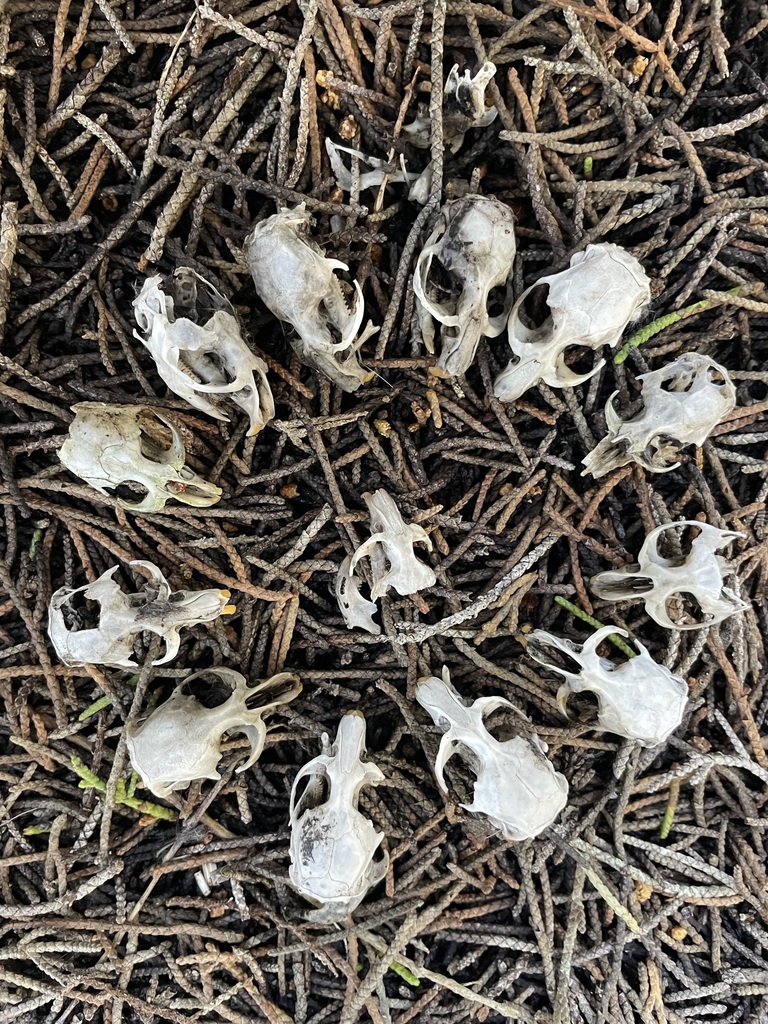
(c) Cricket Raspet, some rights reserved (CC BY) · licence
Family: Cricetidae · Class: Mammalia · Order: Rodentia
Conservation status: G5T1T2 S1S2
Microtus californicus sanpabloensis (San Pablo Vole) is a California animal in the Cricetidae family.
The San Pablo vole (Microtus californicus sanpabloensis) is a subspecies of California vole endemic to the tidal marsh ecosystems of the San Francisco Bay Area. Adults measure approximately 45 grams (1.6 ounces) with a short tail comprising less than one-third of total body length (USFWS 2013). This subspecies is distinguished from adjacent populations of Microtus californicus californicus by its darker, more yellowish fur coloration, representing an adaptation to its specialized marsh habitat. The San Pablo vole occurs exclusively in marshes adjacent to the southeastern part of San Pablo Bay, northwest of Richmond and west of San Pablo and Giant in Contra Costa County, California (NatureServe Explorer). This extremely limited distribution makes it one of the most geographically restricted mammals in the San Francisco Bay region. The subspecies was historically documented from tidal marsh areas that have experienced extensive habitat loss due to urban development and bay fill activities. The species inhabits salt and brackish tidal marshes, occupying the interface between terrestrial and aquatic environments. These specialized wetland habitats are characterized by periodic tidal flooding, high salinity levels, and dense stands of pickleweed (Salicornia) and cordgrass (Spartina). The vole constructs runway systems through marsh vegetation and utilizes elevated microsites during high tide events. Suitable habitat requires sufficient vegetative cover for protection from predators and adequate drainage to prevent prolonged inundation. San Pablo voles are primarily herbivorous, feeding on the green portions of marsh grasses, sedges, and forbs. Like other Microtus species, they are active throughout the day and night in short bursts, with peak activity during crepuscular periods. Reproduction occurs year-round in favorable conditions, with females producing multiple litters annually. Gestation lasts approximately 21 days, with litter sizes typically ranging from 2 to 6 young. The species constructs spherical grass nests in protected locations above the high tide line. The San Pablo vole holds a conservation ranking of G5T1T2 S1S2, indicating it is critically imperiled both globally and within California as of December 2025. The subspecies is considered a species of concern in the Recovery Plan for Tidal Marsh Ecosystems of Northern and Central California (USFWS 2013). Primary threats include habitat loss from urban development, sea level rise, invasive plant species, and hydrological modifications that alter natural tidal patterns. The remaining tidal marsh habitat in its range represents less than 5% of historical extent. Climate change poses additional risks through increased storm frequency, altered precipitation patterns, and accelerated sea level rise that may eliminate remaining suitable habitat. Conservation efforts focus on tidal marsh restoration, invasive species control, and protection of existing habitat remnants within the San Francisco Bay estuary.
Classification
Class: Mammalia · Order: Rodentia · Family: Cricetidae
Conservation status
G5T1T2 S1S2
Frequently asked questions
How is Microtus californicus sanpabloensis classified?
Microtus californicus sanpabloensis belongs to class Mammalia, order Rodentia, family Cricetidae.
What family does Microtus californicus sanpabloensis belong to?
Microtus californicus sanpabloensis is in the Cricetidae family.
Is Microtus californicus sanpabloensis protected or of conservation concern?
Microtus californicus sanpabloensis carries the following status: G5T1T2 S1S2.
What is Microtus californicus sanpabloensis?
The San Pablo vole (Microtus californicus sanpabloensis) is a subspecies of California vole endemic to the tidal marsh ecosystems of the San Francisco Bay Area.
Is Microtus californicus sanpabloensis found in California?
Yes. Microtus californicus sanpabloensis is recorded in California in The California Species Project's catalogue.
Related species
Other California species in the same genus, family, or bioregion.
Data from The California Species Project — 14,000+ California species with verified data from CNPS, CDFW, USFWS, and more.