Microtus californicus scirpensis
Amargosa vole
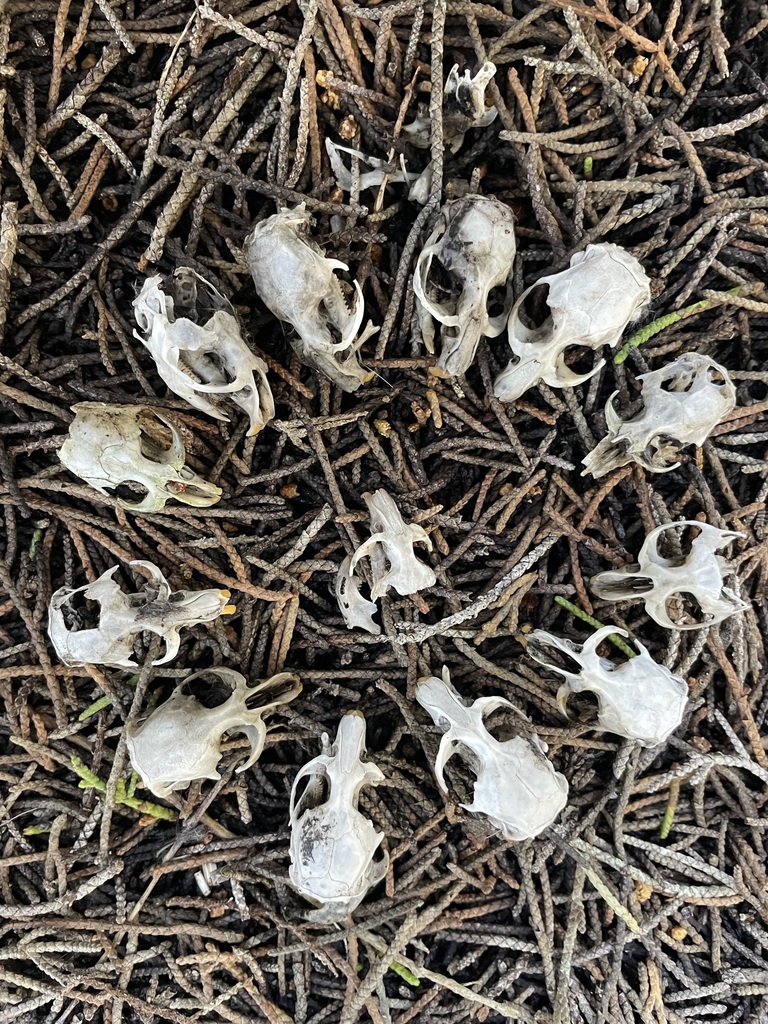
(c) Cricket Raspet, some rights reserved (CC BY) · licence
Family: Cricetidae · Class: Mammalia · Order: Rodentia
Conservation status: SE · Endangered · G5T1 S1
Microtus californicus scirpensis (Amargosa vole) is a California animal in the Cricetidae family.
The Amargosa vole is a small rodent subspecies of the California vole, endemic to wetland habitats in the central Mojave Desert. Adults typically measure 140 to 170 mm (5.5 to 6.7 inches) in total length, with a tail length of 35 to 55 mm (1.4 to 2.2 inches) and weighing 35 to 65 grams. The pelage is grayish-brown dorsally with lighter underparts, and the species exhibits the characteristic short tail and small eyes typical of voles. Distinguished from other Microtus subspecies by its desert adaptations and highly specialized habitat requirements. The Amargosa vole occurs exclusively in southeastern Inyo County, California, occupying an approximately 10-mile stretch of wetland habitat near the communities of Shoshone and Tecopa, just east of Death Valley (USFWS). This represents one of the most restricted ranges of any North American mammal. The species is found in isolated spring-fed marshes and riparian areas along the Amargosa River drainage system. The vole inhabits highly specialized wetland environments dominated by bulrush (Scirpus species) in the central Mojave Desert (USFWS 5-Year Review). These habitats are characterized by permanent or semi-permanent water sources, dense emergent vegetation, and organic soils. The species requires areas with standing water or saturated soils and dense vegetative cover for protection from predators and extreme desert conditions. Elevation ranges from approximately 520 to 580 meters (1,700 to 1,900 feet) above sea level. Amargosa voles are primarily herbivorous, feeding on green portions of bulrush, sedges, and other wetland vegetation. They construct burrow systems within the root masses of bulrush clumps and along the margins of water channels. Breeding occurs primarily from February through October, with females producing multiple litters per year when conditions are favorable. Litter sizes typically range from 2 to 6 young, with a gestation period of approximately 21 days. The species exhibits rapid reproductive potential, which is crucial for population persistence in their restricted habitat. The Amargosa vole was federally listed as endangered on November 15, 1984, with critical habitat designated covering 4,491.8 acres. The species faces threats from groundwater pumping, habitat modification, invasive plant species, and climate change effects on water availability. According to California Department of Fish and Wildlife, recovery efforts focus on habitat restoration, water management coordination, and population monitoring (CDFW). The species' extremely limited range makes it particularly vulnerable to local catastrophic events such as flash floods or prolonged drought. Conservation strategies emphasize maintaining adequate water levels in occupied wetlands and protecting the integrity of bulrush communities essential for the vole's survival.
Classification
Class: Mammalia · Order: Rodentia · Family: Cricetidae
Conservation status
SE · Endangered · G5T1 S1
Frequently asked questions
How is Microtus californicus scirpensis classified?
Microtus californicus scirpensis belongs to class Mammalia, order Rodentia, family Cricetidae.
What family does Microtus californicus scirpensis belong to?
Microtus californicus scirpensis is in the Cricetidae family.
Is Microtus californicus scirpensis protected or of conservation concern?
Microtus californicus scirpensis carries the following status: SE · Endangered · G5T1 S1.
What is Microtus californicus scirpensis?
The Amargosa vole is a small rodent subspecies of the California vole, endemic to wetland habitats in the central Mojave Desert.
Is Microtus californicus scirpensis found in California?
Yes. Microtus californicus scirpensis is recorded in California in The California Species Project's catalogue.
Related species
Other California species in the same genus, family, or bioregion.
Data from The California Species Project — 14,000+ California species with verified data from CNPS, CDFW, USFWS, and more.