Mompha murtfeldtella
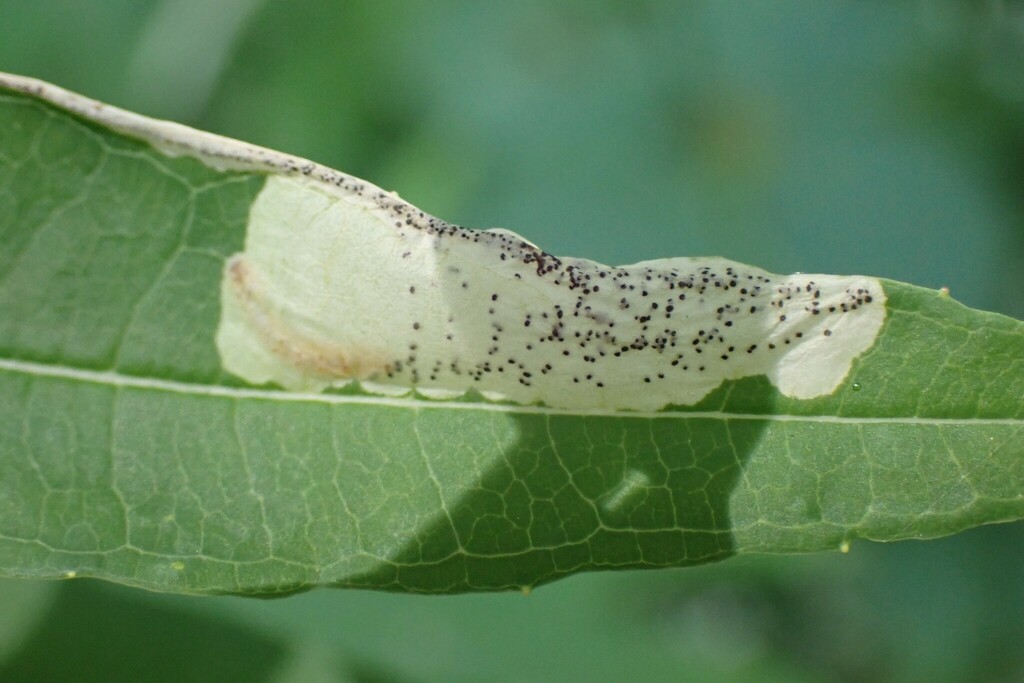
(c) giantcicada, some rights reserved (CC BY) · licence
Family: Momphidae · Class: Insecta · Order: Lepidoptera
Mompha murtfeldtella is a California animal in the Momphidae family.
Mompha murtfeldtella is a small moth in the family Momphidae, a group of microlepidoptera commonly known as mompha moths. This species represents one of the lesser-known members of North American Lepidoptera fauna, with limited documented information available in scientific literature. Adult moths typically measure 8 to 12 millimeters in wingspan, characteristic of the Momphidae family. The forewings display mottled patterns of brown, gray, and cream coloration with metallic scaling that creates a subtle iridescent appearance under proper lighting conditions. The hindwings are typically pale gray to whitish with reduced venation, a common feature among mompha moths. The geographic distribution of Mompha murtfeldtella appears to be restricted to North America, though specific range boundaries remain poorly documented in available literature. Historical collection records suggest the species may occur in portions of the western United States, potentially including California, but comprehensive distribution surveys have not been conducted. The lack of recent collection data makes it difficult to determine current population status or range extent. Habitat associations for this species are largely unknown, though other members of the genus Mompha are typically associated with specific host plants and specialized ecological niches. Many Mompha species demonstrate strong fidelity to particular plant families, with larvae developing as leaf miners, stem borers, or gall formers. The specific microhabitat requirements for M. murtfeldtella, including elevation preferences, vegetation associations, and substrate requirements, have not been adequately documented in the scientific literature. The life history and ecological behavior of Mompha murtfeldtella remain largely unstudied. Based on patterns observed in related Mompha species, adults likely emerge during specific seasonal periods, potentially coinciding with host plant phenology. Larval development probably occurs within plant tissues, either as miners or borers, though the specific host plant relationships have not been identified. The number of generations per year, overwintering stage, and reproductive behavior patterns are unknown for this species. Adult flight periods and mating behaviors remain undocumented. Mompha murtfeldtella currently lacks formal conservation status designations at federal, state, or global levels. The absence of recent collection records and limited ecological data make it difficult to assess population trends or conservation needs. This data deficiency is common among microlepidoptera species, which are often overlooked in biodiversity surveys and conservation assessments. The species may face threats typical of specialized insects, including habitat loss, climate change impacts on host plant relationships, and potential pesticide exposure, though specific threat assessments have not been conducted. Enhanced survey efforts and taxonomic research are needed to better understand the distribution, ecology, and conservation status of this poorly known moth species. Without additional field research and systematic surveys, the current status of M. murtfeldtella populations remains uncertain.
Classification
Class: Insecta · Order: Lepidoptera · Family: Momphidae
Frequently asked questions
How is Mompha murtfeldtella classified?
Mompha murtfeldtella belongs to class Insecta, order Lepidoptera, family Momphidae.
What family does Mompha murtfeldtella belong to?
Mompha murtfeldtella is in the Momphidae family.
What is Mompha murtfeldtella?
Mompha murtfeldtella is a small moth in the family Momphidae, a group of microlepidoptera commonly known as mompha moths.
Is Mompha murtfeldtella found in California?
Yes. Mompha murtfeldtella is recorded in California in The California Species Project's catalogue.
Related species
Other California species in the same genus, family, or bioregion.
Data from The California Species Project — 14,000+ California species with verified data from CNPS, CDFW, USFWS, and more.