Mugil cephalus
Sea Mullet
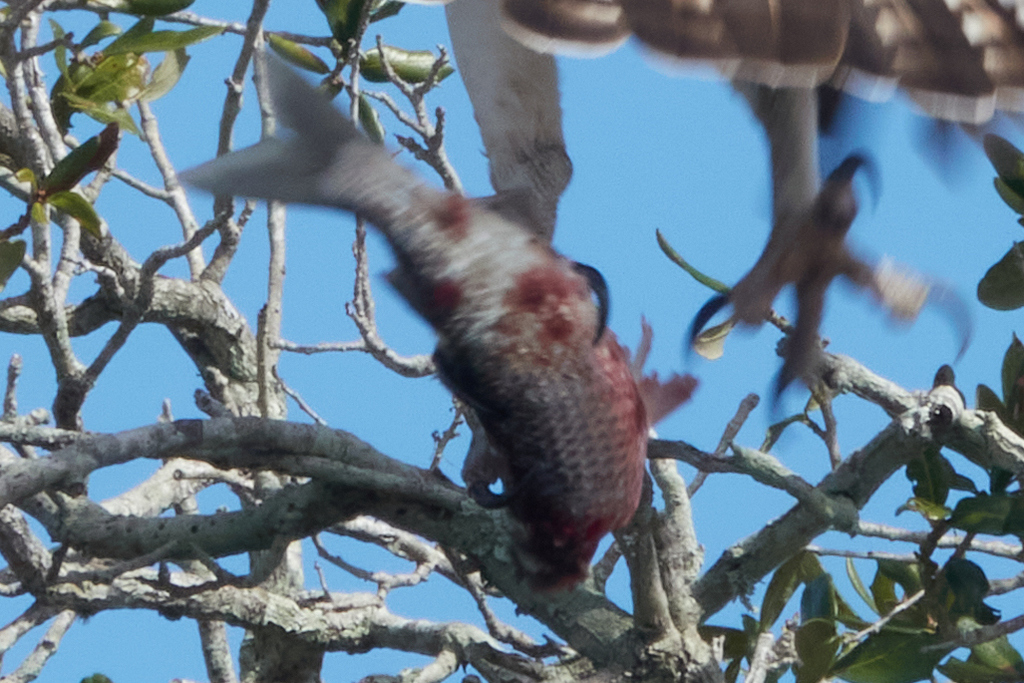
(c) Ken-ichi Ueda, some rights reserved (CC BY) · licence
Family: Mugilidae · Class: Actinopterygii · Order: Mugiliformes
Mugil cephalus (Sea Mullet) is a California animal in the Mugilidae family.
The sea mullet (Mugil cephalus), also known as the striped mullet, is a robust, cylindrical fish with a broad, flattened head and small mouth positioned below the snout. Adults typically measure 30 to 60 cm (12 to 24 inches) in length and weigh 1 to 3 kg (2.2 to 6.6 pounds), though specimens can reach up to 120 cm (47 inches) and 8 kg (18 pounds). The body is silver-gray with darker horizontal stripes along the sides, and the head appears bluish-gray. Two widely separated dorsal fins distinguish this species from similar fish, with the first dorsal fin containing four spines and the second having one spine and eight soft rays. Sea mullet have a nearly cosmopolitan distribution in tropical and subtropical coastal waters worldwide. Along the Pacific Coast, they range from British Columbia south to Chile, including California waters. The species is also found in the Atlantic, Indian, and Mediterranean regions. In California, sea mullet occur in estuaries, bays, and nearshore marine environments from the Mexican border north to approximately San Francisco Bay, with occasional records extending further north. This euryhaline species inhabits a variety of coastal environments including estuaries, lagoons, harbors, and shallow marine waters. Sea mullet demonstrate broad salinity tolerance, moving freely between freshwater rivers and full-strength seawater. They prefer areas with muddy or sandy bottoms and are commonly found in water depths ranging from the surface to 120 meters (394 feet). During colder months, adults may move to deeper offshore waters, while juveniles often remain in protected estuarine environments year-round. Sea mullet are omnivorous filter-feeders that consume algae, detritus, small invertebrates, and organic matter from sediments. They possess a muscular gizzard-like stomach that helps process plant material and debris. The species exhibits complex migratory behavior, with adults moving offshore to spawn in marine waters during fall and winter months. Females can produce between 500,000 to 2 million pelagic eggs, which drift in ocean currents for approximately 48 to 72 hours before hatching. Larvae and juveniles recruit to estuarine nursery areas where they remain for several months before reaching sexual maturity at 2 to 4 years of age. Sea mullet are not currently listed under state or federal endangered species legislation and maintain stable populations globally. The species supports both commercial and recreational fisheries in many regions, including California. However, local populations may face pressure from habitat loss due to coastal development, water diversions affecting estuarine conditions, and water quality degradation. Climate change impacts on ocean temperature and sea level rise may also affect spawning success and juvenile recruitment patterns. The species' wide distribution and adaptability to varying environmental conditions contribute to its overall population stability.
Classification
Class: Actinopterygii · Order: Mugiliformes · Family: Mugilidae
Frequently asked questions
How is Mugil cephalus classified?
Mugil cephalus belongs to class Actinopterygii, order Mugiliformes, family Mugilidae.
What family does Mugil cephalus belong to?
Mugil cephalus is in the Mugilidae family.
What is Mugil cephalus?
The sea mullet (Mugil cephalus), also known as the striped mullet, is a robust, cylindrical fish with a broad, flattened head and small mouth positioned below the snout.
Is Mugil cephalus found in California?
Yes. Mugil cephalus is recorded in California in The California Species Project's catalogue.
More California species
This species has no close relatives in our California data — here are other species to explore.
Data from The California Species Project — 14,000+ California species with verified data from CNPS, CDFW, USFWS, and more.