Mycterophora geometriformis
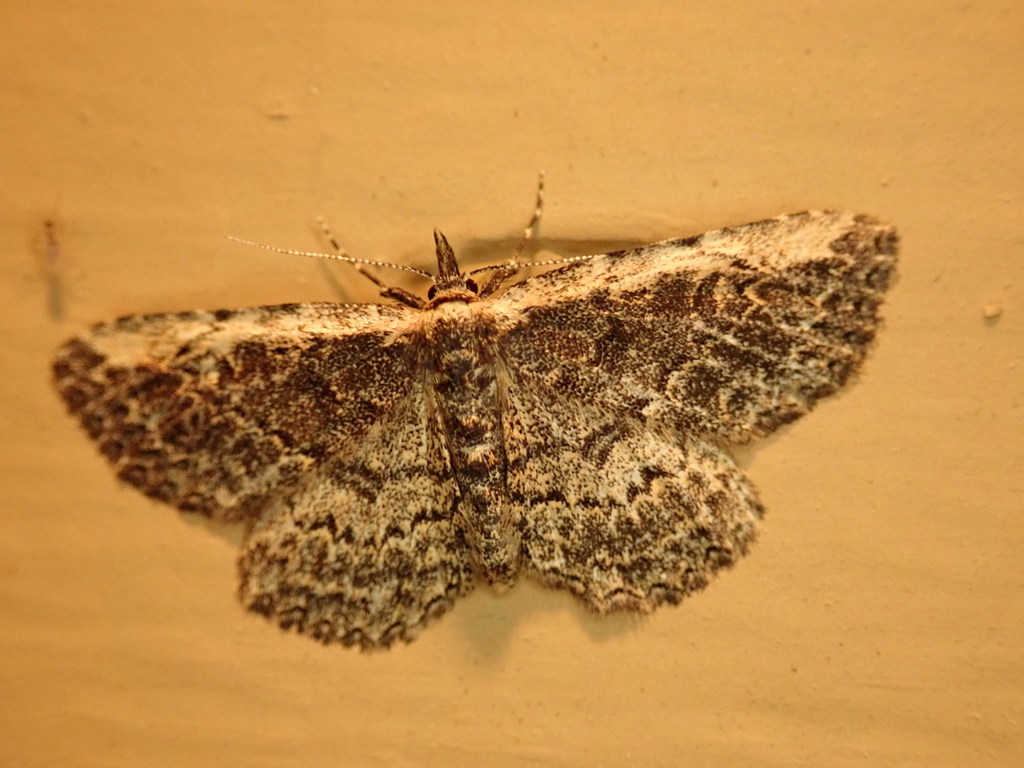
(c) Stan Rullman, some rights reserved (CC BY) · licence
Family: Erebidae · Class: Insecta · Order: Lepidoptera
Mycterophora geometriformis is a California animal in the Erebidae family.
Mycterophora geometriformis is a moth species in the family Erebidae, subfamily Arctiinae. This species belongs to a genus of tiger moths known for their distinctive wing patterns and nocturnal habits. The scientific name suggests geometric patterns on the wings, though detailed morphological descriptions of this particular species are limited in the available literature. The taxonomic classification places M. geometriformis within the diverse family Erebidae, which includes over 24,000 described species worldwide. Tiger moths in the subfamily Arctiinae are characterized by their often colorful warning patterns and the ability of many species to produce ultrasonic clicks as defense against bat predation. Adult moths typically have broad wings with patterns that may serve as aposematic coloration to warn predators of chemical defenses. Information regarding the specific geographic range of M. geometriformis is not readily available in current taxonomic databases or recent lepidopteran surveys. The distribution patterns of many Erebidae species in North America remain incompletely documented, particularly for less commonly encountered taxa. Many species in this family show restricted ranges, often associated with specific host plant communities or microhabitat requirements. Habitat preferences for M. geometriformis have not been definitively characterized in the available literature. Members of the genus Mycterophora and related arctiinae genera typically inhabit areas with diverse herbaceous plant communities, as their larvae often feed on a variety of host plants. Many tiger moth species are associated with grasslands, forest edges, or areas with mixed vegetation that support both larval development and adult nectar sources. The life cycle and behavior of M. geometriformis follow the typical lepidopteran pattern of complete metamorphosis, though specific details regarding timing, host plant associations, and larval ecology remain poorly documented. Tiger moths generally have one to several generations per year, depending on climate and latitude. Larvae typically feed on herbaceous plants and may overwinter as pupae or late-instar larvae. Adults are primarily nocturnal and are attracted to artificial light sources, which is often how specimens are collected for scientific study. The conservation status of M. geometriformis is not currently assessed by major conservation organizations. This lack of formal status evaluation is common among lesser-known invertebrate species, particularly moths that may have restricted distributions or limited survey effort. Many North American Erebidae species face potential threats from habitat loss, pesticide use, and climate change, though the specific vulnerabilities of M. geometriformis remain unknown. The species does not appear on federal or state endangered species lists, though this may reflect insufficient data rather than actual population stability. Further taxonomic work and field surveys would be necessary to determine the species' current distribution, population trends, and conservation needs.
Classification
Class: Insecta · Order: Lepidoptera · Family: Erebidae
Frequently asked questions
How is Mycterophora geometriformis classified?
Mycterophora geometriformis belongs to class Insecta, order Lepidoptera, family Erebidae.
What family does Mycterophora geometriformis belong to?
Mycterophora geometriformis is in the Erebidae family.
What is Mycterophora geometriformis?
Mycterophora geometriformis is a moth species in the family Erebidae, subfamily Arctiinae.
Is Mycterophora geometriformis found in California?
Yes. Mycterophora geometriformis is recorded in California in The California Species Project's catalogue.
Related species
Other California species in the same genus, family, or bioregion.
Data from The California Species Project — 14,000+ California species with verified data from CNPS, CDFW, USFWS, and more.