Myrmosula pacifica
Antioch Multilid Wasp
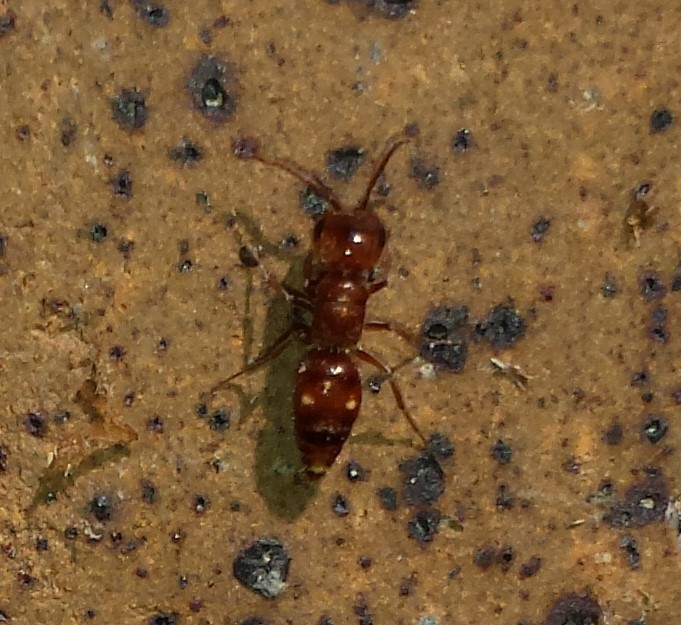
(c) Even Dankowicz, some rights reserved (CC BY) · licence
Family: Myrmosidae · Class: Insecta · Order: Hymenoptera
Conservation status: GH SH
Myrmosula pacifica (Antioch Multilid Wasp) is a California animal in the Myrmosidae family.
The Antioch Multilid Wasp is a small parasitoid wasp endemic to California. This species belongs to the family Myrmosidae, commonly known as velvet ants or cow killers, though they are actually wasps rather than true ants. Specific morphological details for this species have not been well documented in the available scientific literature. Myrmosula pacifica is known only from the Antioch Dunes area in Contra Costa County, California. This extremely restricted range makes it one of California's most geographically limited insect species. The Antioch Dunes represent a unique inland sand dune ecosystem located along the San Joaquin River, approximately 45 miles northeast of San Francisco. Historical records suggest the species may have once occupied a slightly broader area within this dune system, but current distribution appears highly constrained. The species inhabits the specialized sand dune habitat of the Antioch Dunes, an isolated remnant ecosystem characterized by loose, shifting sands and specialized vegetation adapted to these harsh conditions. This habitat type is extremely rare in California's Central Valley region. The dunes support a unique assemblage of endemic species that have evolved in isolation from other coastal dune systems. Specific microhabitat requirements and elevation preferences for M. pacifica have not been documented. As a member of the Myrmosidae, this species is likely a parasitoid of other insects, particularly ground-nesting bees and wasps. Female mutillid wasps typically search for host larvae or pupae in soil or sand, where they deposit their eggs. The developing wasp larvae consume the host from within. Males are typically winged while females are wingless and ant-like in appearance, though specific behavioral observations for M. pacifica are lacking. Reproductive timing, host species preferences, and seasonal activity patterns remain undocumented. The Antioch Multilid Wasp is currently designated as a Species of Concern by the U.S. Fish and Wildlife Service, indicating it faces potential threats that could warrant federal listing in the future (USFWS ECOS database, as of December 2025). NatureServe ranks the species as GH (Possibly or Presumed Extinct Globally) and SH (Possibly or Presumed Extinct in the State), reflecting the lack of recent confirmed observations and the severe degradation of its habitat. The Antioch Dunes have been extensively modified by sand mining, urban development, and invasive plant species, reducing suitable habitat by an estimated 95 percent since the early 1900s. Other endemic Antioch Dunes species, including the Lange's Metalmark Butterfly and Antioch Dunes Evening Primrose, have received federal protection, but comprehensive surveys for M. pacifica have been limited. The current population status remains unknown, with no recent systematic surveys conducted specifically for this species. This species is included on the California Department of Fish and Wildlife's Special Animals List. Given the extreme habitat degradation and the species' apparent absence from recent invertebrate surveys in the area, M. pacifica may already be extinct. Conservation of remaining dune habitat through the Antioch Dunes National Wildlife Refuge provides the only hope for this species' persistence, though active management and restoration efforts may be necessary if any populations survive.
Classification
Class: Insecta · Order: Hymenoptera · Family: Myrmosidae
Conservation status
GH SH
Frequently asked questions
How is Myrmosula pacifica classified?
Myrmosula pacifica belongs to class Insecta, order Hymenoptera, family Myrmosidae.
What family does Myrmosula pacifica belong to?
Myrmosula pacifica is in the Myrmosidae family.
Is Myrmosula pacifica protected or of conservation concern?
Myrmosula pacifica carries the following status: GH SH.
What is Myrmosula pacifica?
The Antioch Multilid Wasp is a small parasitoid wasp endemic to California.
Is Myrmosula pacifica found in California?
Yes. Myrmosula pacifica is recorded in California in The California Species Project's catalogue.
More California species
This species has no close relatives in our California data — here are other species to explore.
Data from The California Species Project — 14,000+ California species with verified data from CNPS, CDFW, USFWS, and more.