Nadata gibbosa
White-dotted Prominent
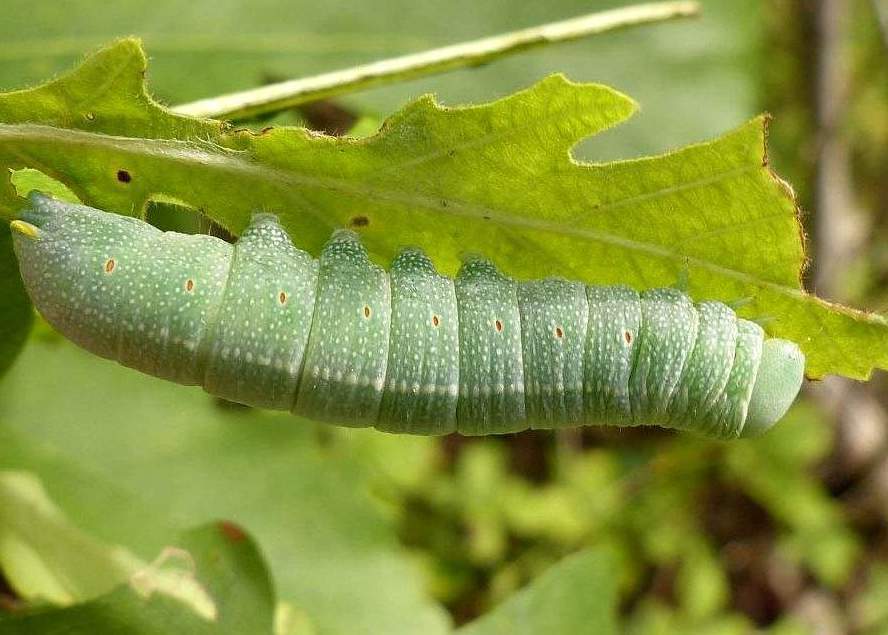
(c) christine123, some rights reserved (CC BY) · licence
Family: Notodontidae · Class: Insecta · Order: Lepidoptera
Nadata gibbosa (White-dotted Prominent) is a California animal in the Notodontidae family.
The White-dotted Prominent (Nadata gibbosa) is a medium-sized moth in the family Notodontidae, distinguished by its characteristic wing patterns and prominent dorsal hump when in larval form. Adults display forewings that are typically gray-brown with distinctive white or pale spots along the wing margins, giving the species its common name. The wingspan ranges from 35 to 45 mm (1.4 to 1.8 inches). The hindwings are generally paler, often whitish or light gray with minimal markings. When at rest, the forewings are held in a tent-like position over the body, a typical posture for members of the prominent moth family. The White-dotted Prominent occurs across much of North America, with its range extending from southern Canada through the eastern United States and into parts of the western states. In California, the species is documented primarily in the northern and central regions, though specific distributional data within the state remains limited. The moth's presence in California represents the western edge of its continental range. This species inhabits deciduous and mixed forests, particularly areas dominated by oak species. Adult moths are typically found in woodlands and forest edges where their larval host plants occur. The species shows a preference for mature forest stands but can also utilize younger woodland habitats and forest regeneration areas. Elevation preferences in California are not well-documented, though the species generally occurs in foothill and lower montane zones. White-dotted Prominent larvae are specialist feeders on oak species (Quercus spp.), with various oak species serving as hosts across the moth's range. The caterpillars are notable for their distinctive dorsal hump behind the head, which becomes more pronounced in later instars. Larvae typically feed on oak leaves during summer months, with pupation occurring in soil or leaf litter. Adults emerge in late spring through summer, with flight periods extending from May through August depending on location and elevation. The species is univoltine, producing one generation per year in most areas. Mating occurs during nocturnal activity periods, with females depositing eggs singly or in small clusters on oak foliage. Caterpillars develop through five instars before pupating, with the pupal stage overwintering in most populations. Adults are attracted to artificial lights and can be encountered at moth sheets and light traps during surveys. The conservation status of Nadata gibbosa is not formally assessed at federal or state levels, and the species does not appear on California's special status species lists. Population trends are poorly documented, though the moth's dependence on oak woodland habitats suggests potential vulnerability to habitat loss and fragmentation. Oak woodland conversion for development and agriculture represents a primary threat across the species' range. Climate change may affect the timing of emergence and host plant phenology matching. The species' nocturnal habits and cryptic appearance likely contribute to underdetection in many areas, making population assessment challenging.
Classification
Class: Insecta · Order: Lepidoptera · Family: Notodontidae
Frequently asked questions
How is Nadata gibbosa classified?
Nadata gibbosa belongs to class Insecta, order Lepidoptera, family Notodontidae.
What family does Nadata gibbosa belong to?
Nadata gibbosa is in the Notodontidae family.
What is Nadata gibbosa?
The White-dotted Prominent (Nadata gibbosa) is a medium-sized moth in the family Notodontidae, distinguished by its characteristic wing patterns and prominent dorsal hump when in larval form.
Is Nadata gibbosa found in California?
Yes. Nadata gibbosa is recorded in California in The California Species Project's catalogue.
Related species
Other California species in the same genus, family, or bioregion.
Data from The California Species Project — 14,000+ California species with verified data from CNPS, CDFW, USFWS, and more.