Nemoria glaucomarginaria
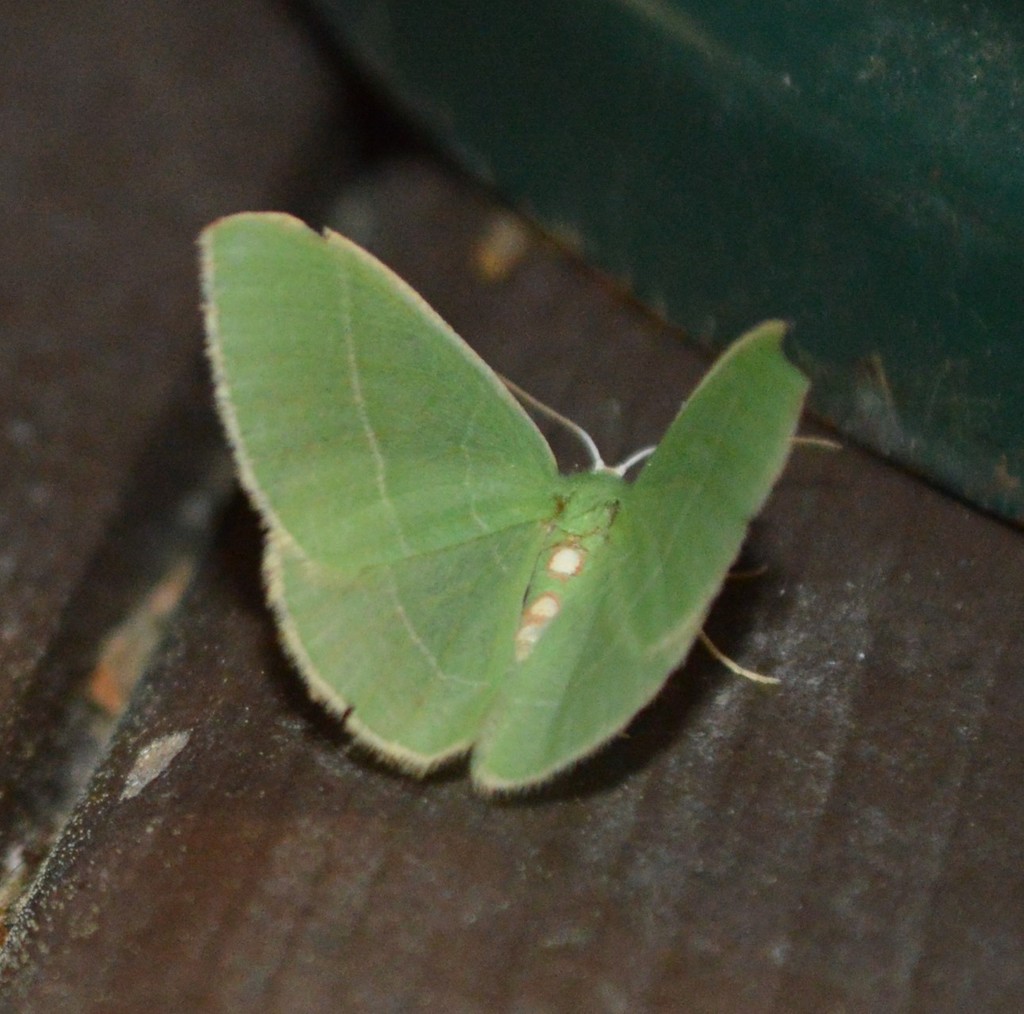
(c) David Anderson, some rights reserved (CC BY) · licence
Family: Geometridae · Class: Insecta · Order: Lepidoptera
Nemoria glaucomarginaria is a California animal in the Geometridae family.
Nemoria glaucomarginaria is a geometrid moth in the family Geometridae, subfamily Geometrinae. This species belongs to the genus Nemoria, which comprises numerous small to medium-sized moths commonly known as emerald moths. The taxonomic classification places this species within the order Lepidoptera, making it part of the diverse group of moths and butterflies. Limited information is available regarding the physical characteristics of N. glaucomarginaria. Like other members of the genus Nemoria, this species likely exhibits the typical geometrid moth body plan with a relatively slender build and broad wings. Members of this genus typically display wingspan measurements ranging from 15 to 30 millimeters (0.6 to 1.2 inches), though specific measurements for this species require verification. The wing coloration and patterns that would distinguish N. glaucomarginaria from closely related species remain undocumented in readily accessible literature. The geographic range of Nemoria glaucomarginaria is poorly documented in current taxonomic databases. The species appears to be associated with North American fauna, though specific distributional data including presence in California counties or other regional boundaries has not been established in accessible records. Historical collection records and museum specimens would be necessary to determine the precise range limits and habitat associations for this species. Habitat preferences for N. glaucomarginaria remain largely unknown. Other Nemoria species typically inhabit areas with diverse plant communities that support their larval host plants. Many geometrid moths in this genus are associated with deciduous or mixed forests where their caterpillars feed on various woody plants. The elevation range, microhabitat requirements, and seasonal habitat use patterns for this specific species require further research and documentation. Ecological information for Nemoria glaucomarginaria is limited in current literature. Like other geometrid moths, this species likely undergoes complete metamorphosis with egg, larval, pupal, and adult stages. The larval stage probably consists of caterpillars that feed on plant material, though specific host plant relationships have not been documented. Adult flight periods, mating behaviors, and reproductive strategies remain unstudied or unpublished for this species. No formal conservation status has been assigned to Nemoria glaucomarginaria by federal or state wildlife agencies. The species is not currently listed under the federal Endangered Species Act, nor does it appear on California state lists of species of special concern. The lack of basic biological and distributional information makes it difficult to assess population trends or conservation needs. This data deficiency represents a common challenge in lepidopteran conservation, where many species remain poorly studied despite potential ecological importance. Further taxonomic research, field surveys, and ecological studies would be necessary to determine if conservation measures are needed for this species.
Classification
Class: Insecta · Order: Lepidoptera · Family: Geometridae
Frequently asked questions
How is Nemoria glaucomarginaria classified?
Nemoria glaucomarginaria belongs to class Insecta, order Lepidoptera, family Geometridae.
What family does Nemoria glaucomarginaria belong to?
Nemoria glaucomarginaria is in the Geometridae family.
What is Nemoria glaucomarginaria?
Nemoria glaucomarginaria is a geometrid moth in the family Geometridae, subfamily Geometrinae.
Is Nemoria glaucomarginaria found in California?
Yes. Nemoria glaucomarginaria is recorded in California in The California Species Project's catalogue.
Related species
Other California species in the same genus, family, or bioregion.
Data from The California Species Project — 14,000+ California species with verified data from CNPS, CDFW, USFWS, and more.