Neoalcis californiaria
Brown-lined Looper Moth
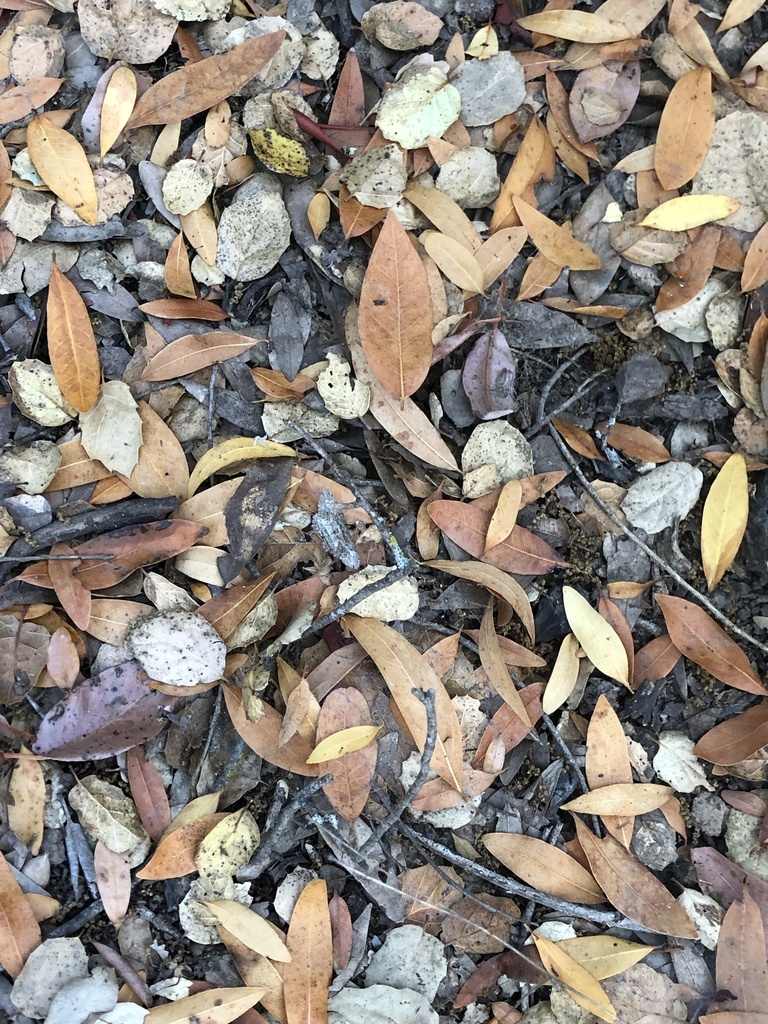
(c) LJ Moore-McClelland, some rights reserved (CC BY) · licence
Family: Geometridae · Class: Insecta · Order: Lepidoptera
Neoalcis californiaria (Brown-lined Looper Moth) is a California animal in the Geometridae family.
The brown-lined looper moth (Neoalcis californiaria) is a geometrid moth in the family Geometridae, characterized by the typical looping locomotion of its larvae. Adults display earth-toned wing patterns with brown lines and markings that provide effective camouflage against tree bark and forest debris. The wingspan typically ranges from 25 to 35 millimeters (1.0 to 1.4 inches). Males possess feathery antennae, while females have thread-like antennae. The forewings are generally grayish-brown with darker transverse lines, and the hindwings are paler with less distinct markings. The brown-lined looper moth ranges from California north to British Columbia, spanning the Pacific coastal regions and extending inland to mountainous areas. In California, the species occurs primarily in coniferous forest zones from the Coast Ranges through the Sierra Nevada, typically at elevations where Douglas-fir and associated conifers are dominant. The distribution follows the natural range of its primary host plants throughout the western North American coniferous forests. This species inhabits coniferous and mixed forests where Douglas-fir is present. According to the Canadian Forest Service, larvae feed mainly on Douglas-fir but also utilize western hemlock, western red cedar, grand fir, and lodgepole pine. The USGS reports that larvae additionally feed on many broadleaf trees and shrubs, indicating a broader host range than many specialist geometrids. The species occupies forest environments from sea level coastal forests to montane coniferous zones, adapting to various forest types within its host plant range. Brown-lined looper moth larvae are typical geometrid caterpillars that move by drawing the rear of the body forward to meet the front legs, creating the characteristic looping motion. The larvae feed on foliage of their host plants, with feeding activity varying seasonally. Adult moths are nocturnal and are attracted to artificial lights during their flight period. The species likely has one generation per year in most of its range, with timing varying by elevation and latitude. Adults emerge during late spring through early fall, depending on local climate conditions. Larvae overwinter in the soil or leaf litter as pupae. The brown-lined looper moth currently has no federal or state conservation listing status and appears to maintain stable populations throughout its range. As a native defoliator, the species plays an ecological role in forest dynamics, though it rarely reaches outbreak levels that cause significant forest damage. Primary threats to the species include habitat loss from logging and forest management practices, climate change effects on host plant distributions, and potential impacts from forest fires and pest management activities. The species benefits from forest conservation efforts that maintain mature coniferous forests and the diversity of its host plants across elevation gradients.
Classification
Class: Insecta · Order: Lepidoptera · Family: Geometridae
Frequently asked questions
How is Neoalcis californiaria classified?
Neoalcis californiaria belongs to class Insecta, order Lepidoptera, family Geometridae.
What family does Neoalcis californiaria belong to?
Neoalcis californiaria is in the Geometridae family.
What is Neoalcis californiaria?
The brown-lined looper moth (Neoalcis californiaria) is a geometrid moth in the family Geometridae, characterized by the typical looping locomotion of its larvae.
Is Neoalcis californiaria found in California?
Yes. Neoalcis californiaria is recorded in California in The California Species Project's catalogue.
Related species
Other California species in the same genus, family, or bioregion.
Data from The California Species Project — 14,000+ California species with verified data from CNPS, CDFW, USFWS, and more.