Neogalea sunia
Lantana Stick Moth
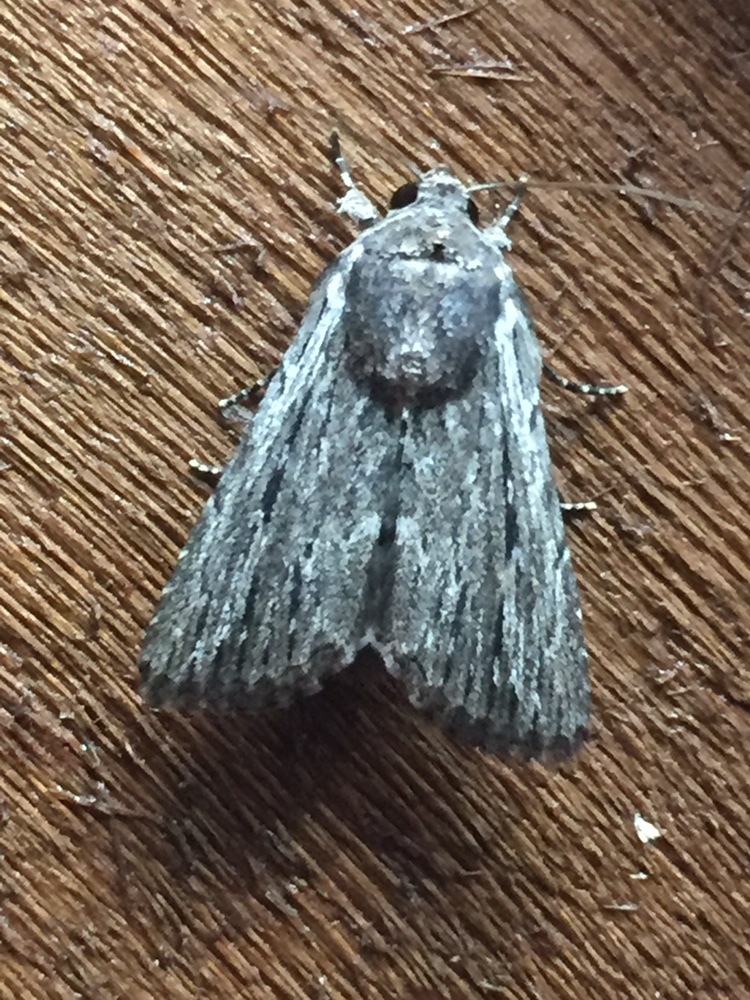
(c) Stephen Thorpe, some rights reserved (CC BY) · licence
Family: Noctuidae · Class: Insecta · Order: Lepidoptera
Neogalea sunia (Lantana Stick Moth) is a California animal in the Noctuidae family.
The Lantana Stick Moth (Neogalea sunia) is a nocturid moth in the subfamily Oncocnemidinae. This species exhibits the typical stick-like appearance of its larval stage, which gives rise to its common name. Adults are characterized by relatively narrow forewings and the cryptic coloration typical of many noctuids, though specific morphological measurements have not been well documented in the scientific literature. Neogalea sunia occurs throughout the southern United States, with documented populations extending across multiple states in this region. The species has been recorded from Texas, as evidenced by regional species checklists, and likely occurs in other southern states with suitable habitat and host plants. The full extent of its historical versus current range requires further documentation. This moth species is closely associated with lantana plants, particularly Lantana camara and related species in the Verbenaceae family. The larvae feed on lantana foliage, and the species appears to be specialized on these plants as primary hosts. Adults are typically found in areas where wild or cultivated lantana grows, including disturbed habitats, garden settings, and naturalized areas where lantana has become established. The moth may also utilize other plants in the vervain family, though lantana remains the primary documented host. The larvae of Neogalea sunia develop as external feeders on lantana leaves and stems. Like other noctuids, this species likely undergoes complete metamorphosis with egg, larval, pupal, and adult stages. Adult flight periods and specific breeding behavior have not been thoroughly documented in the literature. The species' association with lantana suggests it may benefit from the widespread cultivation and naturalization of this plant throughout its range, though specific population trends are not well established. Neogalea sunia has drawn attention in biological control contexts, where it has been mentioned alongside other insects that feed on Lantana camara (USFWS Species Assessments). While not currently listed under federal or state endangered species legislation, the moth's specialized relationship with lantana plants means its conservation status likely depends on the availability and management of host plant populations. The widespread distribution of lantana, including both native and introduced populations, may provide stable habitat for this species across much of its range. However, detailed population monitoring and ecological studies would be needed to assess any conservation concerns. Scientific documentation for this species remains limited compared to more well-studied moths. The information presented here synthesizes available data from USFWS taxonomic databases, regional species lists, and biological control literature. Additional research on the moth's detailed life history, population dynamics, and ecological relationships would enhance understanding of this specialized lantana-feeding species.
Classification
Class: Insecta · Order: Lepidoptera · Family: Noctuidae
Frequently asked questions
How is Neogalea sunia classified?
Neogalea sunia belongs to class Insecta, order Lepidoptera, family Noctuidae.
What family does Neogalea sunia belong to?
Neogalea sunia is in the Noctuidae family.
What is Neogalea sunia?
The Lantana Stick Moth (Neogalea sunia) is a nocturid moth in the subfamily Oncocnemidinae.
Is Neogalea sunia found in California?
Yes. Neogalea sunia is recorded in California in The California Species Project's catalogue.
Related species
Other California species in the same genus, family, or bioregion.
Data from The California Species Project — 14,000+ California species with verified data from CNPS, CDFW, USFWS, and more.