Neoneides muticus
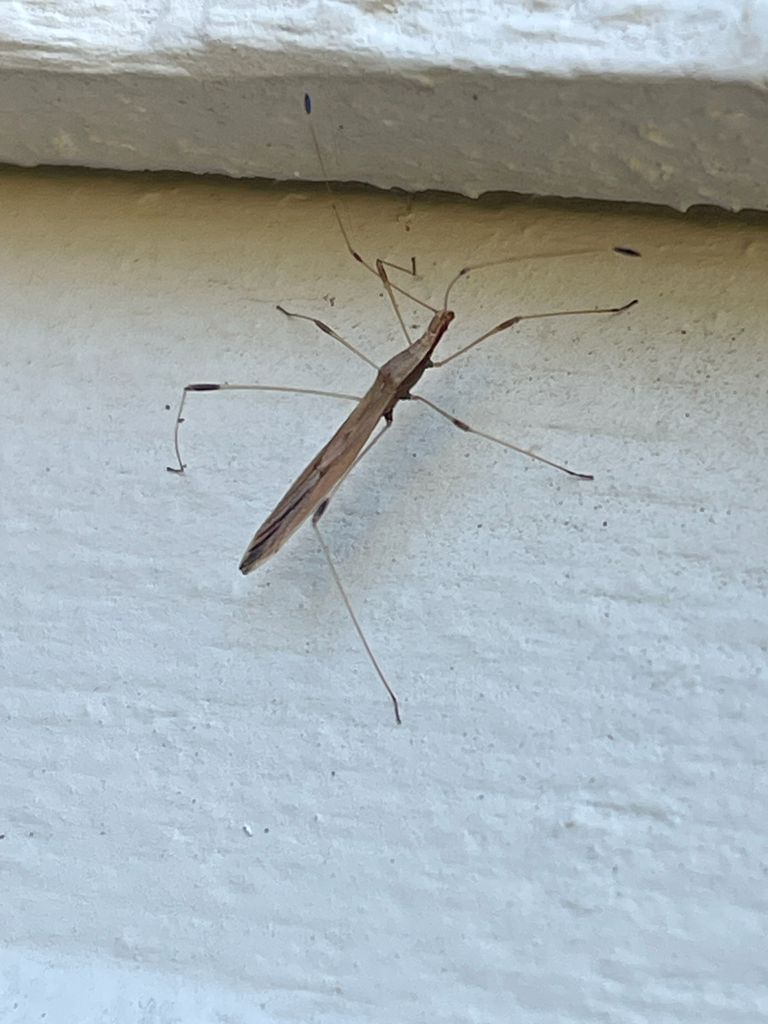
(c) Corvi Zeman, some rights reserved (CC BY) · licence
Family: Berytidae · Class: Insecta · Order: Hemiptera
Neoneides muticus is a California animal in the Berytidae family.
Neoneides muticus is a small hemipteran insect in the family Berytidae, commonly known as stilt bugs or thread-legged bugs. This species belongs to the tribe Berytini within the subfamily Berytinae. Like other members of the Berytidae family, N. muticus is characterized by an elongated, slender body form with notably thin legs that give these insects their distinctive appearance. The species exhibits the typical berytid features of a narrow head, thread-like antennae, and a delicate build that distinguishes it from other true bugs. The distribution and range of Neoneides muticus within California remains poorly documented in available scientific literature. The species is included in the U.S. Fish and Wildlife Service taxonomic database, indicating its presence within the United States, though specific county-level occurrence data for California is not readily available in current records. The limited documentation suggests this may be an uncommon or overlooked species within the state's entomological surveys. Habitat preferences for N. muticus have not been extensively studied or documented in accessible scientific literature. Members of the Berytidae family typically inhabit areas with dense vegetation, including grasslands, meadows, and forest edges where they can find suitable host plants and prey. These environments provide the structural complexity that stilt bugs require for foraging and reproduction. The species likely occurs in areas with sufficient plant diversity to support both its feeding requirements and those of its potential prey species. Behavioral and ecological information specific to Neoneides muticus is limited in current scientific documentation. Berytidae species are generally predaceous, feeding on small arthropods including aphids, mites, and other soft-bodied insects found on vegetation. They are typically slow-moving insects that rely on their cryptic coloration and thin body form for camouflage among plant stems and grass blades. Reproductive biology, including seasonal activity patterns, mating behaviors, and developmental requirements, has not been specifically documented for this species in available literature. The conservation status of Neoneides muticus appears to be undetermined, as the species does not appear on federal or state endangered species lists as of December 2025. The lack of comprehensive distributional data and ecological studies makes it difficult to assess population trends or conservation needs. This data gap is not uncommon among smaller hemipteran species, which are often underrepresented in biodiversity surveys and conservation assessments compared to more charismatic insect groups. Scientific documentation for this species remains extremely limited despite thorough database searches. The information presented here synthesizes available taxonomic records from the U.S. Fish and Wildlife Service taxonomic tree and general knowledge of Berytidae ecology. Detailed studies of this species' distribution, habitat requirements, life history, and ecological role in California ecosystems are needed. We welcome contributions of verified scientific data, photographs, or field observations to enhance this species account.
Classification
Class: Insecta · Order: Hemiptera · Family: Berytidae
Frequently asked questions
How is Neoneides muticus classified?
Neoneides muticus belongs to class Insecta, order Hemiptera, family Berytidae.
What family does Neoneides muticus belong to?
Neoneides muticus is in the Berytidae family.
What is Neoneides muticus?
Neoneides muticus is a small hemipteran insect in the family Berytidae, commonly known as stilt bugs or thread-legged bugs.
Is Neoneides muticus found in California?
Yes. Neoneides muticus is recorded in California in The California Species Project's catalogue.
More California species
This species has no close relatives in our California data — here are other species to explore.
Data from The California Species Project — 14,000+ California species with verified data from CNPS, CDFW, USFWS, and more.